Category: Land & Lore

  • Listening to the Edges in Menchuka

    Listening to the Edges in Menchuka

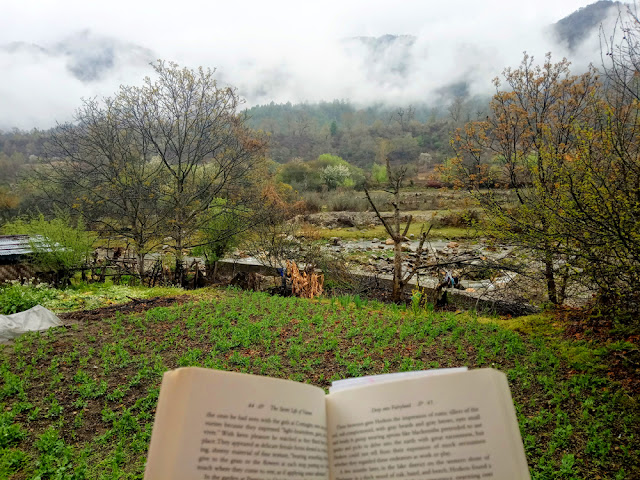
    Far in the folds of Arunachal Pradesh, where the land becomes hush before turning into Tibet, sits Menchuka — a small town that doesn’t rise like a destination but settles like a revelation. Surrounded by pine-clad hills, slivers of blue rivers, and quiet military roads, Menchuka balances solitude and surprise like few places can.

    The name ‘Menchuka’ loosely translates to “medicinal water of snow” — and the place lives up to it. Clean, high-altitude air. Springs that trickle with silence. Paths that lead not to landmarks but to feelings — of distance, resilience, and welcome.

    Alo People and Their Everyday Grace

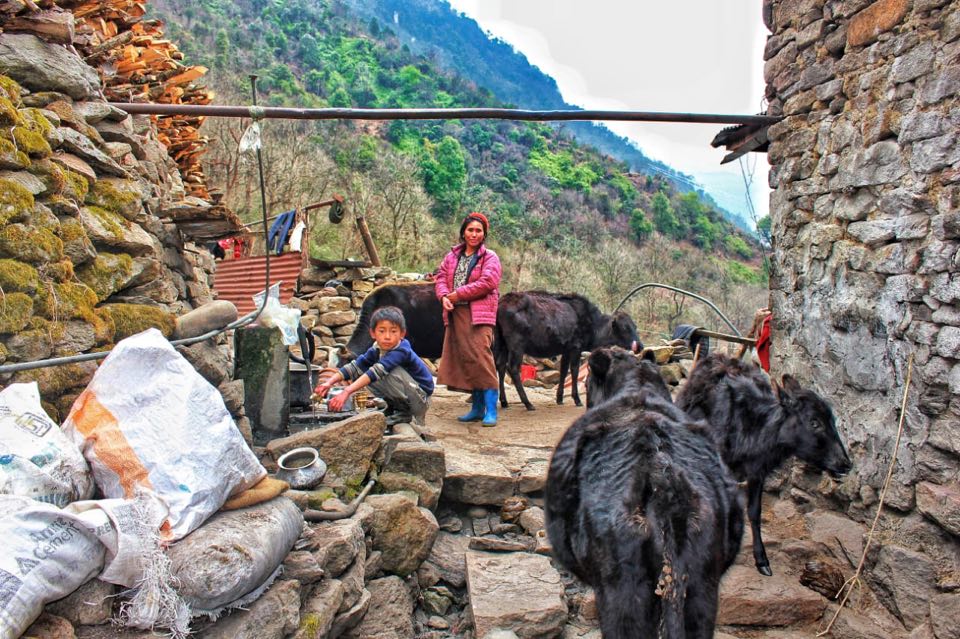
    Menchuka is home to the Memba tribe, and nearby, to the Adi and Tagin communities. Here, hospitality isn’t a gesture — it’s woven into the daily rhythm. You’ll be invited in not with grand gestures, but with butter tea, laughter, and warmth that fills more than your hands.

    Traditional houses made from wood, stone, and bamboo overlook fields of barley and maize. Monasteries dot the hills, and in their prayer flags, the breeze carries centuries of quiet faith. Local kids play barefoot with sticks as cricket bats. Dogs bark at the wind, not at strangers. There’s no urgency to perform — and that’s what makes it beautiful.

    A Village Framed by Borders, Held Together by Belonging”

    Between Army Camps and Apple Orchards

    Menchuka stands close to the Indo-Tibet border — and the presence of the military is unavoidable. Yet, it doesn’t overshadow life; it blends in. Soldiers wave at locals, help repair bridges, buy from village stores. It’s one of the few places where camouflage uniforms and monk robes share the same footpaths.

    Meanwhile, in September and October, apple trees heavy with fruit bend near monasteries. In winter, the same roads are blanketed in snow — and the silence becomes deeper, almost sacred.

    Three Unusual Observations from Menchuka

    • Handwoven Textiles with Personal Codes:
      Traditional dresses often contain symbols woven by the weaver to reflect their personal story or beliefs — not visible to all, but meaningful to those who know where to look.
    • Oral Mapping Instead of Signboards:
      Locals don’t give directions with “left” or “right” — they tell you to turn “after the house with three prayer wheels,” or “beyond the sleeping dog corner.” It teaches you to observe, not just follow.
    • Monasteries That Smell of Juniper and Books:
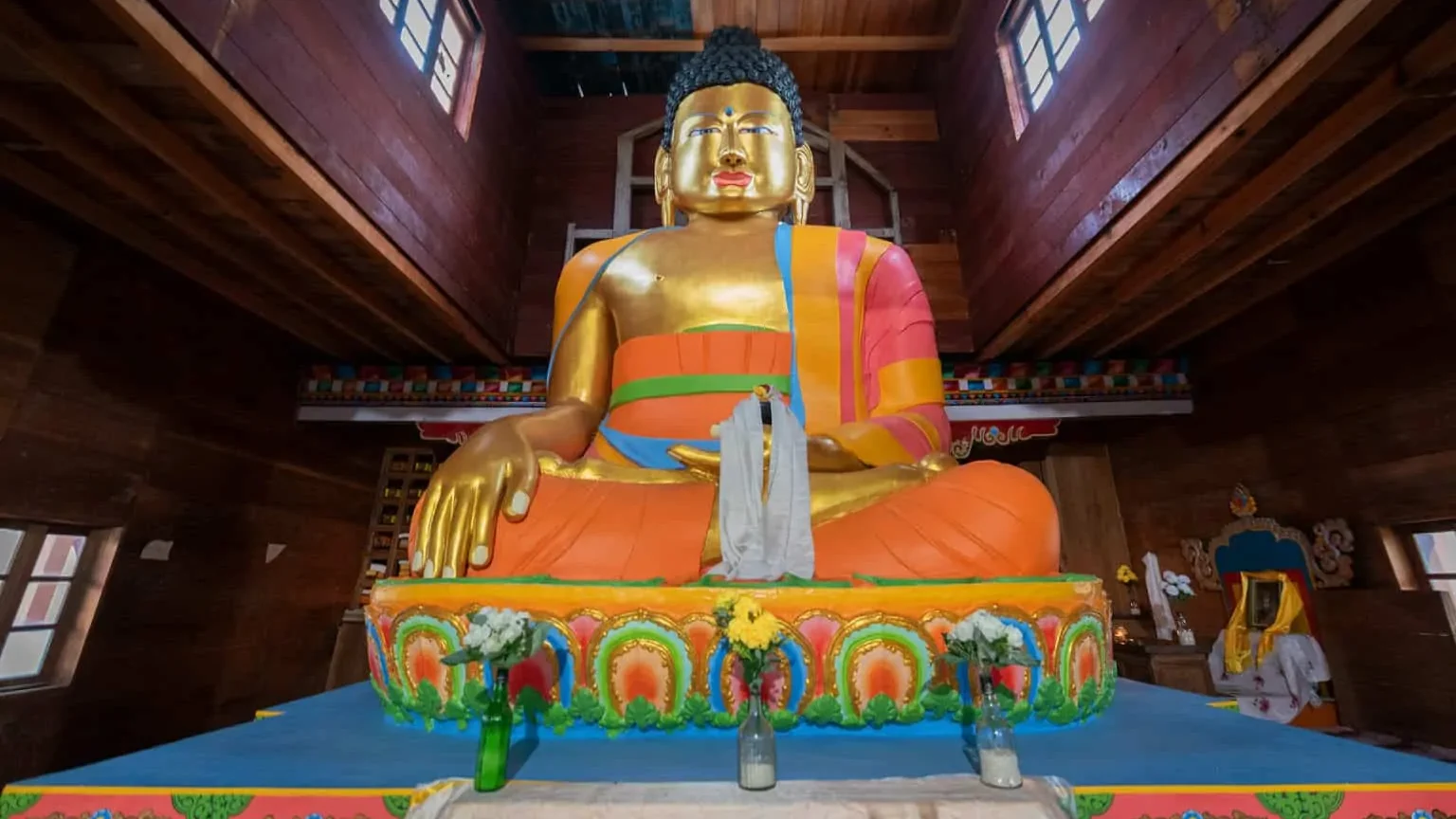
      The Samten Yongcha monastery, older than any map you’ll carry, welcomes you not with grandeur but with incense, dusty prayer books, and chants that don’t demand understanding — only attention.
    When in Menchuka, Remember…

    • Best time to visit: March to May for greenery and October for golden harvests.
    • How to reach: By road via Aalo (a long journey best done in stages), or by helicopter from Itanagar (weather permitting).
    • Where to stay: Local homestays are often run by teachers, farmers, or retired army men. You’ll leave with stories, not just receipts.
    • Don’t miss: The 400-year-old Samten Yongcha Gompa perched on a cliff, and an early morning walk by the Siyom River when the fog hasn’t fully left.

    Menchuka doesn’t try to impress you. It offers space — to reflect, to connect, to walk slow, and to feel small in a good way. The quiet here is not an absence, but a depth — where stories aren’t told loudly, but land gently in your memory.

    In places where the road ends, something else begins — in Menchuka, it’s the sound of stillness you’ll remember.”

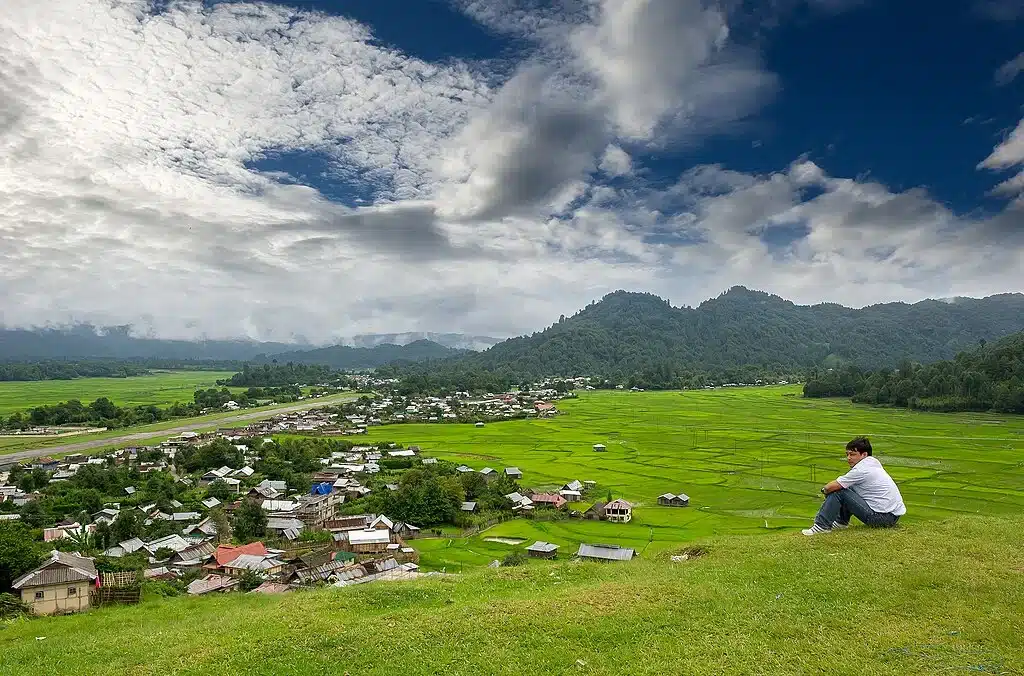
  • Culture, Farming, and Apatani Tribe of Ziro

    Culture, Farming, and Apatani Tribe of Ziro

    Tucked amidst pine ridges and misty fields, Ziro in Arunachal Pradesh is not just scenic — it’s deeply lived in. The valley isn’t curated for visitors; it’s cultivated for its people. The Apatani community, who have been shaping this land for generations, follow a way of life rooted in sustainability, subtlety, and strength.

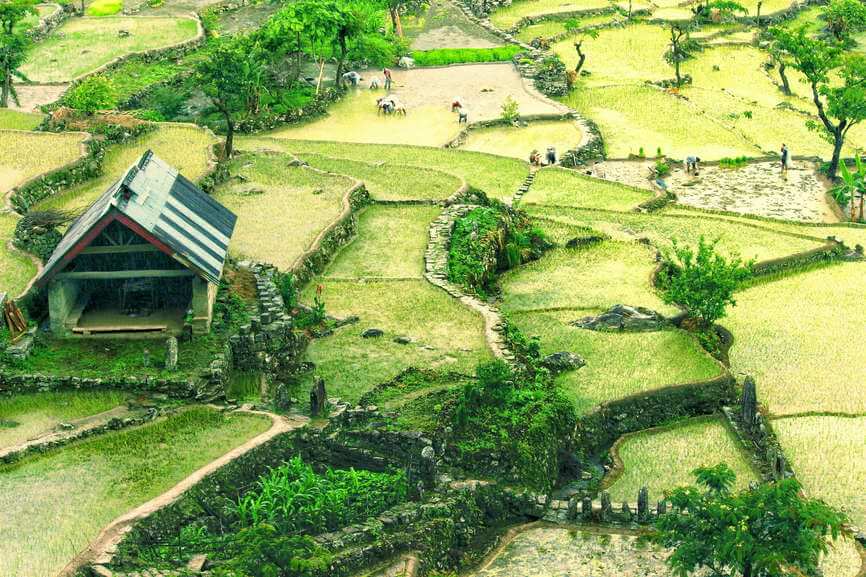
    Here, farming isn’t just labor — it’s knowledge. Walk past a Ziro paddy field and you’ll see fish swimming between rice stems — an ingenious paddy-cum-fish cultivation system that maintains soil fertility and food security without synthetic inputs. Not a technique invented in labs — but a practice born of patience and observation.

    A Landscape that Grows with Its People”

    The Apatani Way: Tied to Earth, Time and Memory

    Every home in Ziro feels like it belongs to the land. Made of pinewood and set on stilts, Apatani houses are often built by the family itself. Look closer at the woodwork, and you’ll find motifs — suns, birds, hornbills, spirals — symbols passed down generations. These aren’t decorative; they’re communicative, echoing stories of nature, protection, and identity.

    The older generation of women, with facial tattoos and cane nose plugs, carry a history both personal and political — a symbol of resilience from a time when cultural identity meant survival. Today, fewer youth continue this tradition, but the pride remains intact, alive in their festivals, songs, and daily rituals.

    Ziro’s Natural Quiet Isn’t Empty — It’s Full

    There’s something rare about Ziro’s silence. Not the absence of sound, but the absence of noise. You’ll hear footsteps on dry leaves, the whoosh of a bamboo swing, the echo of wood being chopped, the low hum of conversations between neighbours.

    Birdsong is a big part of this landscape. Ziro is part of the Important Bird Area network — a haven for birds like the rare Blyth’s Tragopan. But bird-watching here doesn’t feel like a tour — it feels like being let in on a quiet secret.

    Community First: Shared Work, Shared Joy

    In Ziro, most activities — from repairing roofs to planting fields — are collective. It’s not just about efficiency; it’s about spirit. During Murung, the major festival, villagers gather to bless harvests and honour ancestors. The celebrations are marked by ceremonial mithun sacrifices, songs that recount lineage, and feasts where every visitor is welcome — not just as a guest, but as someone to share with.

    Evenings here aren’t for nightlife. They’re for long walks, over meals cooked in bamboo tubes, and for watching fireflies settle into the forests.

    Travel Tip: Be Curious, Not Just Present

    • Getting there: Ziro is accessible by road via Naharlagun (nearest railhead) or Lilabari (nearest airport). Expect long, winding roads — and incredible views.
    • Best time to visit: March to May (for spring beauty), or September for the Ziro Music Festival.
    • Stay options: Opt for homestays that offer cultural immersion over luxury. Hosts are usually happy to share stories, food, and time — if you ask with interest.
    • What to bring: Walking shoes, rain protection, and an open mind.

    Ziro isn’t about what’s missing from urban life. It’s about what’s quietly endured — harmony with nature, respect for rhythm, and dignity in tradition. Spend a few days here and you don’t feel detached from the world — you feel reattached to something you may have forgotten.

    Somewhere between the hills and hands that tend them, Ziro reminds you how to be human again.”

  • Healing in the Highlands

    Healing in the Highlands

    A Landscape of Layers”

    Zemithang isn’t a place that announces itself. It unfurls — with cedar-scented winds, quiet prayer wheels, and the hush of mountains that keep their own counsel. Near the borderlands of Arunachal Pradesh and Bhutan, this Monpa village holds both isolation and invitation in equal measure.

    The roads may narrow as you ascend, but your perspective only widens.

    Where Wisdom Grows Wild

    In a shaded clearing beyond the cluster of houses, an elderly Monpa woman tends to a garden. Not of vegetables, but of remedies — wild mint for headaches, rhododendron bark for inflammation, and nettle roots for digestive woes.

    “Everything you need, the forest already knows,” she says gently, more as a passing thought than a lecture.

    You won’t find a pharmacy here. You’ll find a relationship — between people and place, where plants are not products but kin. Knowledge isn’t archived in books. It’s grown, gathered, and remembered.

    Between Borders, Beneath Belief

    The Gorsam Chorten — a serene, white-domed structure — watches over the valley like an old monk at rest. Locals say it mirrors the Boudhanath of Nepal. Pilgrims walk around it quietly, spinning prayer wheels not for spectacle, but out of habit, faith, and rhythm.

    There are few tourists here, fewer distractions. Just wind, flags, and footsteps. The border with Bhutan is close, but invisible. What’s more visible is harmony — of Buddhism, of animism, of generations walking the same slow paths.

    Snippets from Zemithang

    • The Courtyard Conversations:
      Women sit weaving yak wool by hand, talking about clouds as if they were gossiping about neighbors.
    • The School Without Bells:
      Children gather under a pine tree with a teacher who uses pebbles and parables in equal measure.
    • The Bridge Across Time:
      A rickety wooden bridge leads to a hamlet untouched by mobile signals — but rich in stories passed nightly by firelight.

    Know Before You Go: Travel Notes for Zemithang

    • How to reach: Take a private vehicle or shared sumo from Tawang town, passing through Lumla. The road is bumpy but worth every turn.
    • Stay: Family-run homestays offer traditional meals, wool blankets, and lots of quiet.
    • When to go: March to May or September to November — for flowers, festivals, and visibility.
    • Respect the place: Photography is welcome, but always ask. Some corners of life here are meant to be experienced, not archived.

    Zemithang is not on many maps — not emotionally, at least. But to walk here is to witness a way of life where healing is slow, silence is wise, and faith is not worn — it’s lived.

    Some places teach you to listen. Zemithang teaches you to listen without asking for answers.”

  • Where Prayer and Pines Meet

    Where Prayer and Pines Meet

    A Hamlet in No Hurry”

    Tucked deep within West Kameng district of Arunachal Pradesh, Shergaon is not a detour — it is the road less taken. As you drive through pine-lined curves and prayer flags fluttering like whispers, the world you left behind begins to mute itself.

    The Monpa village of Shergaon lives at its own pace. Morning smoke curls from wooden chimneys. Monks walk barefoot to the temple. The rhythm here isn’t slow — it’s steady.

    More Than a Monastery

    Most travellers arrive looking for the Shergaon Gompa — a Buddhist monastery tucked against pine-covered slopes. But what stays with you isn’t just the stupa or the prayer wheels. It’s the warmth of the head monk who speaks in metaphors. The child who offers you a cherry from his pocket. The woman who lights a butter lamp — not for blessings, but for balance.

    You’ll see villagers praying, yes. But more often, they’re planting, cooking, fixing — living their beliefs through acts, not announcements.

    Fields of Red and Wisdom

    Shergaon’s fields glow red in autumn, not from flowers, but from red amaranth, grown beside buckwheat and maize. The Monpas practice traditional permaculture — rotating crops, resting soil, and using herbs not just for taste, but for temperament.

    “We grow what grows with us,” says a farmer and part-time teacher.

    Farming isn’t a job here — it’s participation. Even elders take their walking sticks to the orchard.

    Snippets from Shergaon

    • The Herbalist’s Basket:
      Tsering Dolma collects 8 herbs every full moon — a mix of roots, flowers, and stems. “One for strength, one for peace,” she smiles. No written chart. Only memory.
    • The Wind Chimes Are Real:
      Not decorative ones — but actual bells tied to prayer flags and fruit trees. When the wind blows, it carries more than sound — it carries a wish.
    • Pine Fire and Pickles:
      In every kitchen: pinewood fire, yak milk tea, and fermented bamboo shoot pickle. The taste is sharp, but the memory lasts longer than the burn.

    Know Before You Go

    • Getting There: Best accessed via Bomdila or Dirang; shared vehicles from Guwahati and Tezpur (Assam) operate during daylight hours.
    • Stay Options: Homestays with Monpa families offer both wooden floors and floor-sitting warmth.
    • Ideal Season: October to March — for clear skies and cultural ceremonies.
    • Responsible Travel Tip: Don’t pick herbs or wildflowers unless guided by a local. Nature isn’t display — it’s livelihood.

    Some places don’t change you. They remind you of what you never lost.”

  • Khonoma Stands Still

    Khonoma Stands Still

    The Village That Rewrote Its Future”

    Perched in the folds of Nagaland’s green hills, Khonoma is a place that decided — decades ago — to live differently. Once known for fierce warriors and age-old resistance, the village chose to pivot. From guns to grain. From forest raids to forest guards.
Khonoma is India’s first Green Village not because of a label, but because of a choice. A collective, conscious, community-led choice.

    You won’t hear slogans here. No signs that scream sustainability. Just everyday acts that whisper it — bamboo fences, rain-fed fields, woodsmoke from kitchens that reuse, not discard.

    The Youth Who Stayed

    In most villages across the Northeast, you hear stories of the youth who left. But in Khonoma, you meet the ones who stayed — by choice.

    A local entrepreneur, runs a millet café with two friends. “Leaving was never tempting,” she shrugs. “There’s more work to be done here than in any city. Real work.”

    That real work includes reviving forgotten grains, documenting dialects, organizing terrace farming workshops, and hosting visitors — not as guests, but as learners.

    Terraces of Memory

    The fields of Khonoma aren’t just food sources. They’re archives. Rice terraces carved into the hills are named, not numbered. Each has a story, a family, a harvest song.

    Even their construction speaks of balance — not against nature, but with it. Bamboo aqueducts redirect water. Trees shade grain. Grasslines prevent soil slip. There is no textbook — just taught eyes and calloused palms.

    Snippets from Khonoma

    • The Guarded Forest:
      The 70 sq. km. Khonoma Nature Conservation and Tragopan Sanctuary (KNCTS) is protected entirely by the community — without state patrol. Not a single tree is felled without the council’s blessing.
    • The Funeral Log:
      Every tree cut has a purpose. Some are marked years in advance for future rituals — including logs for final rites. Life and death both accounted for, respectfully.
    • The Local Assembly:
      Decisions are made at the Morung (traditional men’s dormitory). Modern problems — like phone towers — are debated with ancient patience.

    Know Before You Go

    • Getting There: 20 km from Kohima, accessible by shared taxis or private vehicles.
    • Stay Options: Homestays offering millet porridge for breakfast and views that don’t fit in frames.
    • Best Season: September to April — clear skies, green fields, warm fires.
    • Local Etiquette: Ask before entering Morungs. Don’t interrupt when elders speak — even if you don’t understand the dialect.

    Khonoma isn’t trying to be a model. It doesn’t perform for your admiration. It just continues — quietly, attentively, collectively — like a stream carving its own bed. In a world obsessed with fast futures, Khonoma reminds us of the dignity in deliberation.

    Progress isn’t always about moving forward. Sometimes it’s about standing your ground.”