Category: Land & Lore

  • When the Earth Cracks, We Stay

    When the Earth Cracks, We Stay

    Majuli isn’t just the world’s largest river island. It’s also one of its most vanishing.

    Year after year, the Brahmaputra rises. Land disappears. Homes shift. Temples lean. And yet, the people of Majuli remain. Not because they have no choice — but because they choose to belong, again and again.

    This blog isn’t just about land lost. It’s about what refuses to be erased.


    It’s not about what to see in Majuli — it’s about how not to look away.

    “This is not just land. This is where our gods speak, where our crops pray, where our stories wake up each morning,” says an elder in Kamalabari.

    A Geography That Moves

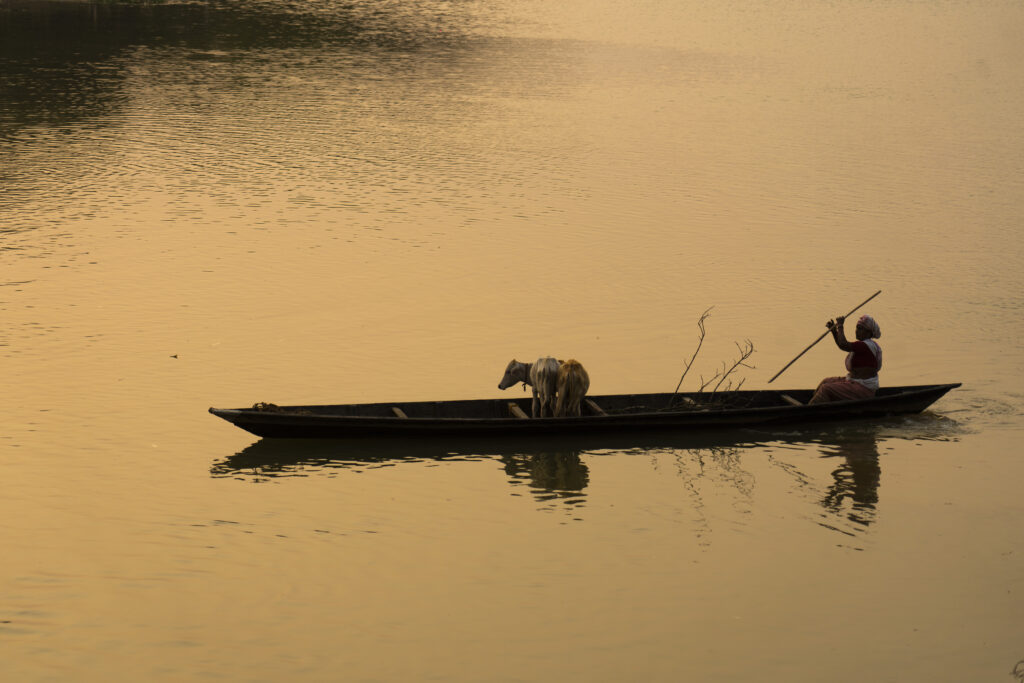
    Majuli was once over 1,200 square kilometers. Today, it’s less than 500. The Brahmaputra’s floods aren’t rare disasters here — they’re seasonal certainties. Each monsoon redraws the map. Villages shift. Roads vanish. People adapt.

    There are stories of homes being dismantled and reassembled overnight. Of prayer flags moved inland. Of bamboo bridges rebuilt by hand. Of mothers who store seeds in cloth bundles, ready to move with the next storm.

    “Majuli is a boat,” says an old boatman. “We don’t fix it to the shore. We learn to float.”

    Resilience as Routine

    The sattras — Majuli’s Neo-Vaishnavite monastic centers — have seen more than their share of erosion. But even when soil crumbles beneath prayer halls, the chants never stop. The Raas Mahotsav still lights the island in November, even if the stage shifts.

    This is not denial — it’s dignity. A choice to stay rooted, not because it’s easy, but because it’s essential.
    What Travelers Often Miss

    Most visitors arrive for the ferry ride, the monks of Auniati, the mask-makers of Samaguri, or the Raas festival. But they miss the real story: the one unfolding quietly along the riverbanks.

    They miss the lines redrawn with bamboo poles after every flood. The woman planting mustard on land that might be gone in two years. The youth group filling sandbags where roads once were.

    Majuli is not a postcard. It’s a practice in persistence.

    Land in Disappearance, Culture in Continuum

    More than one-third of Majuli has been swallowed by the river in a single century. And yet, the community continues: Boats are carved. Fields are sowed. Festivals are held. Songs are sung.

    Culture, here, isn’t fragile. It’s the anchor.

    In a world that tells people to move for convenience, Majuli stays for belonging. And that continuity — of culture, care, and community — needs to be seen, heard, and supported.

    Where You Step, Matters

    You can’t stop erosion. But your steps can slow the damage.

    As a traveller, you can:

    • Choose homestays that recycle water and avoid fragile shorelines.
    • Say no to plastic — every discarded wrapper hastens loss.
    • Don’t just post, participate — join tree-planting, fishing days, or mask-making.
    • Ask before you act — the land is sacred and layered with meaning.
    • Support local artisans — your purchase may help someone stay instead of migrate.
    • Travel off-season — to spread income beyond festival peaks.

    Even more than help, what Majuli needs is your attention — unfiltered, unhurried, and real.

    The Prayer That Floats

    During Raas Purnima, the island glows with small leaf-boats floating on the river — each carrying a lamp and a prayer. A local schoolteacher said, “We send light not to stop the river, but to remind it — we’re still here.”

    Beyond Hashtags — How You Help

    Majuli doesn’t need pity or saviours. It needs witnesses who act.

    Responsible tourism isn’t about guilt — it’s about gratitude. For being let in. For being trusted. For being given stories to carry home.

    Every time you refill instead of buying plastic, skip a hotel for a home, or share the story behind the smile — you do more than travel. You protect.

    Small choices, made repeatedly, create change that doesn’t shout — but stays.

    Know Before You Go

    • Best time: October to March, but off-season visits are more impactful.
    • Stay: Eco-conscious homestays in Garamur, Samaguri, or Auniati.
    • Ask locals: Let them show you erosion sites, not just tourist spots.
    • Be gentle: Avoid drones, plastics, and disrespectful questions.
    • Listen more: This is a place where silence often says more.
    Majuli may disappear on maps someday.
    But its soul — shaped by storms, prayers, and quiet choices — must not.

    When the earth cracks, they stay.
    Not to make a statement — but to make a home, again and again.

    The question is: when we travel, will we choose to care? Because care is where change begins.

    You don’t need to be many to make a difference. You just need to not look away.”
  • The Forest Keeps the Beat

    The Forest Keeps the Beat

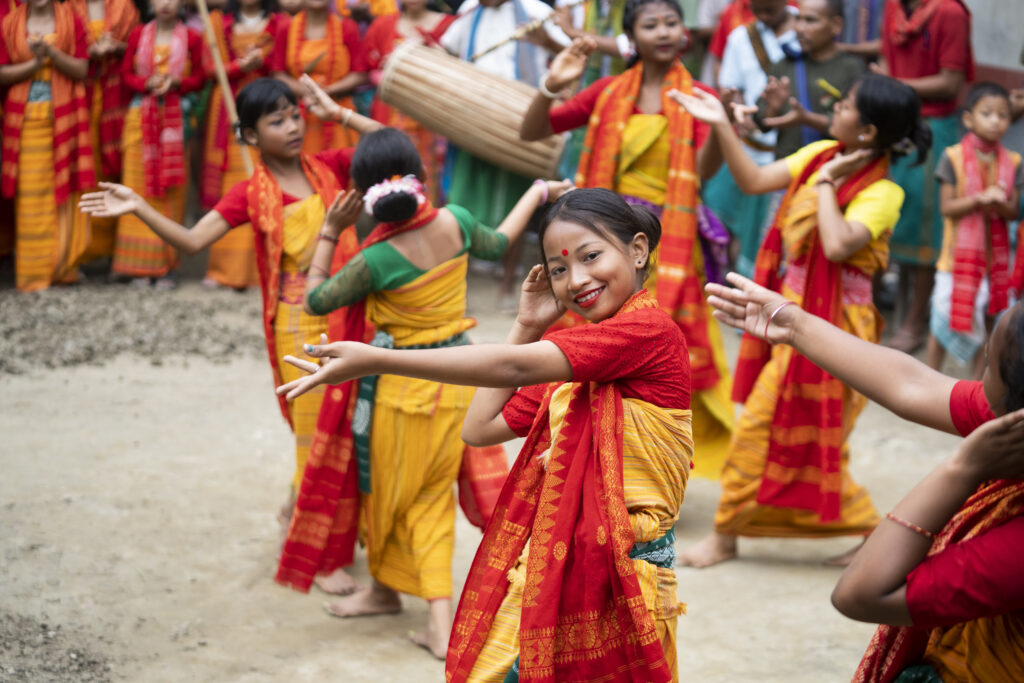
    Chandubi’s lake may be its centrepiece, but listen closer — it’s the forest that keeps the rhythm. When dusk falls over this quiet edge of Assam, the Rabha, Bodo, and Garo communities light their fires, tune their drums, and dance not for an audience — but for the land, the harvest, and the gods.

    In Chandubi, dance is not performance. It is permission — to feel, to celebrate, to belong.

    Dancing Between Earth and Sky

    Local festivals like the Bogai Festival (Rabha) and Domashi (Bodo) are less about grand stages and more about sacred clearings. Young men and women in handwoven attire gather barefoot on earth that has grown their food, faced their floods, and heard their stories.

    The Rabha dances often imitate animals, seasons, or everyday life — one step for planting, one sway for rain, and a beat for the sun. Bodo dance includes rhythmic hip movements and slow turns that mirror the circular logic of seasons.

    We don’t practise,” says a local teacher, “we remember. Dance is how we remember who we are.”

    Instruments That Speak Without Words

    The forest lends its materials:

    • The Kham (drum) made from tree bark and animal hide.
    • The Siphung (bamboo flute) whose notes mimic the forest’s breath.
    • The Serja (a string instrument) that carries the emotional weight of a thousand monsoons.

    These are not polished orchestra tools — they’re forest tools. And their sound isn’t rehearsed — it’s remembered.

    Snippets from the Grove

    1. The Dance Begins with the Fire:
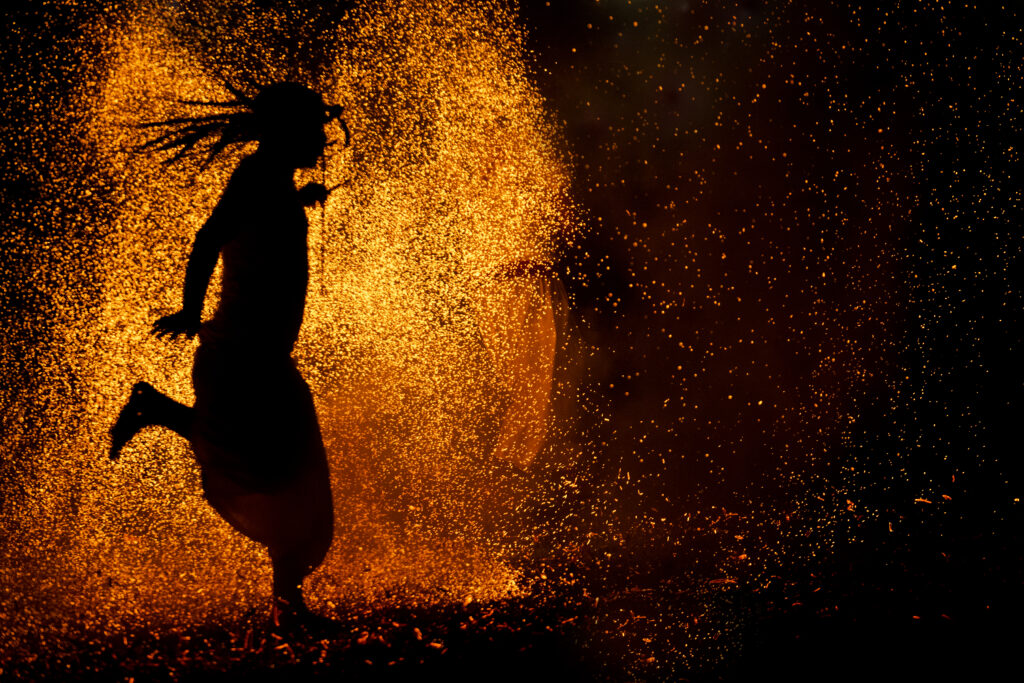
      At every gathering, a fire is lit first. Dancers move around it slowly, letting the rhythm build like rainfall. The fire is witness, not spotlight.
    2. Children Learn by Watching:
      There are no classes. Children sit with elders, copy moves, and inherit rhythm like they inherit soil.
    3. Dance to Heal:
      Some women believe a slow dance around the lake during full moon helps ease body pains and childbirth complications — “The lake knows,” they say.

    When Trees Dance Too

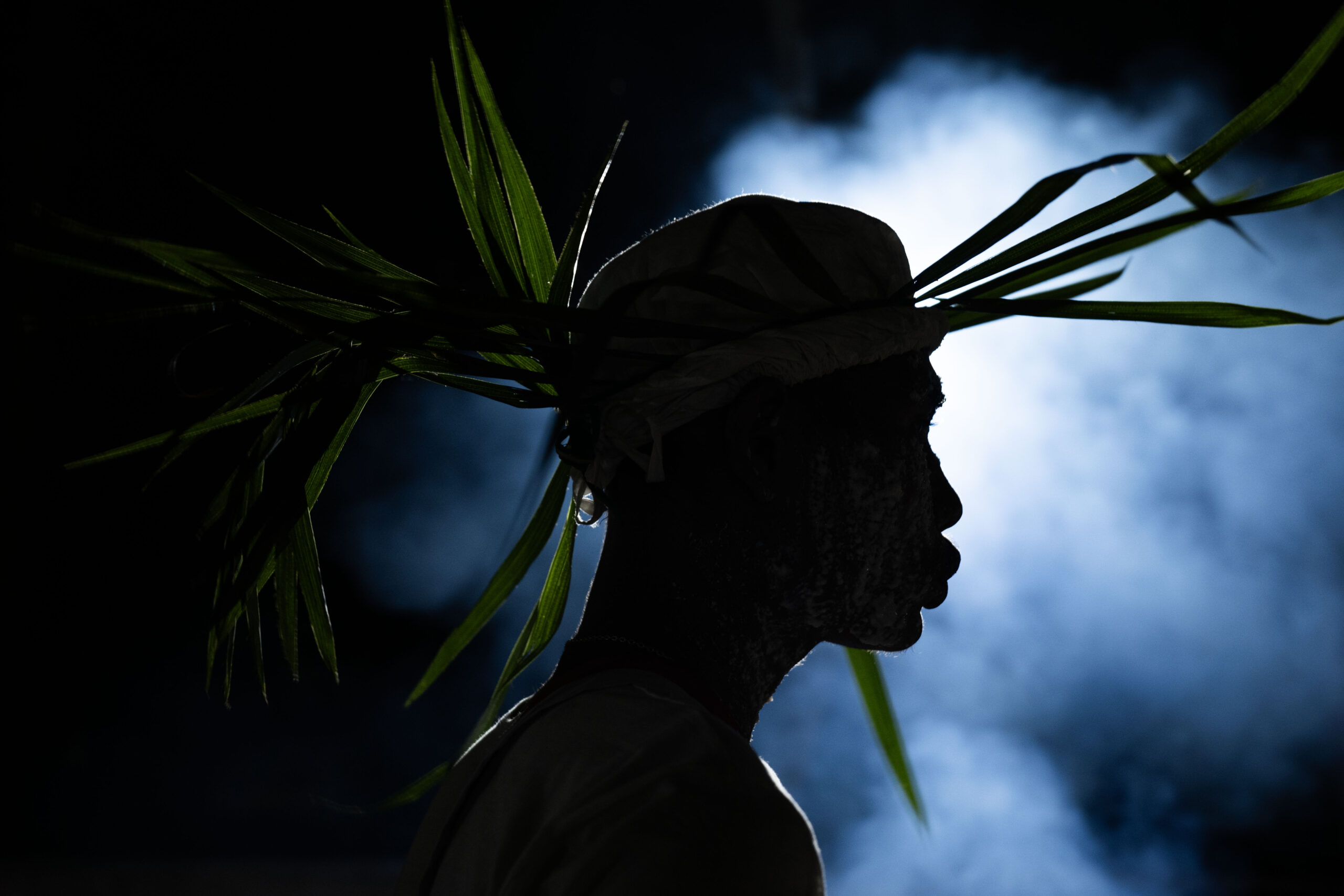
    During Domashi, a local tree known as Dighol Bon is decorated and danced around. It is not cut, never harmed — only honoured. The community believes that even trees have spirit rhythms, and when treated with music and respect, they offer better fruit and shade the next year.

    Know Before You Go

    • Festival timings: Check local calendars; Rabha and Bodo festivals often follow lunar schedules.
    • Stay options: Eco-huts and tribal homestays near the lake — some even include dance demonstrations and drumming sessions.
    • Cultural tip: Do not interrupt dancers for photos. Watch quietly, participate only if invited, and thank the drummer after.

    In Chandubi, dance is not escape — it is return. Every drumbeat echoes a harvest remembered, a storm survived, a story retold. To witness it is to realise: silence is not the opposite of music. It is its beginning.

    Some places speak through language — Chandubi speaks through rhythm.”

  • Where the Drum Begins

    Where the Drum Begins

    In Zemithang — the last village before the borders blur into Bhutan and Tibet — dance is not an act of performance. It’s how history breathes. Here, tucked into the folds of the Pangchen Valley, the rhythms of life are measured not by calendars but by chants, cymbals, and slow, circular steps.

    This is where tradition moves not on stage, but on packed earth, under prayer flags, beside flickering butter lamps. This is where the drum begins.

    The Dance of the Pangchenpa

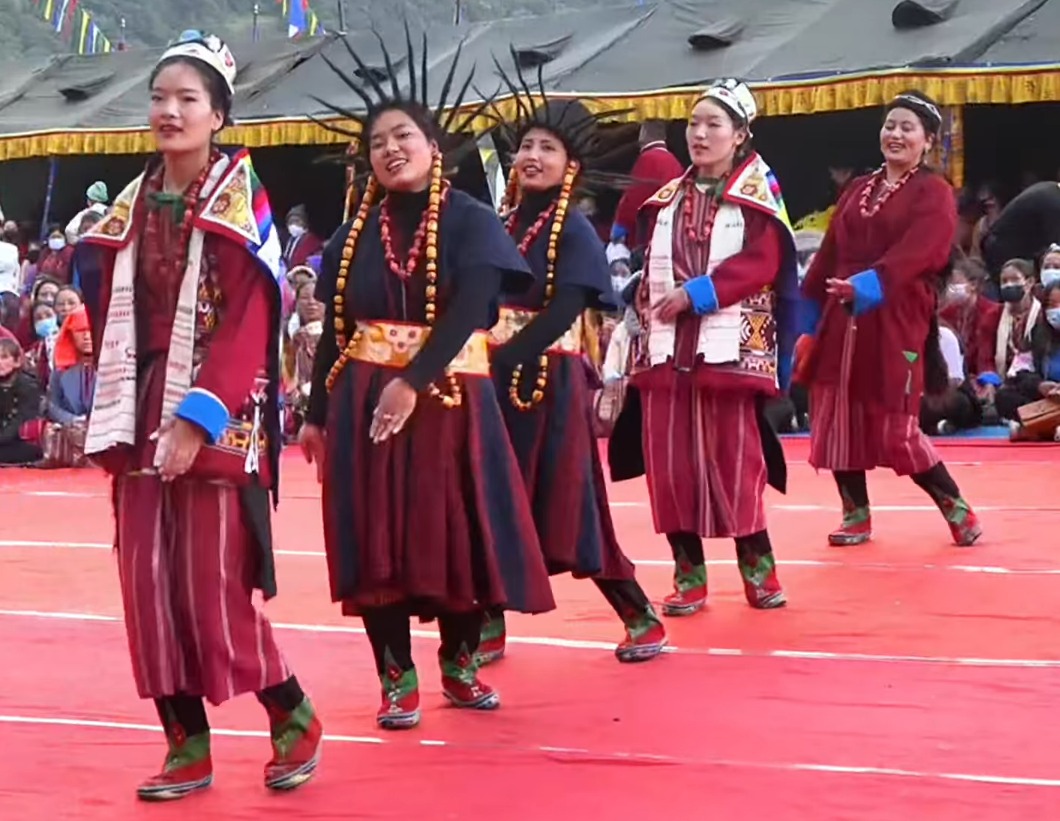
    The Pangchenpa people — who speak a dialect of Tibetan and follow Mahayana Buddhism — have passed down their sacred dances for centuries. The Cham dance, performed during Losar (Tibetan New Year) and other monastery festivals, is not merely ritualistic. It is cosmic theatre.

    Masked dancers, embodying wrathful deities and protective spirits, move in choreographed patterns to drive away negative forces and invite prosperity. Each movement is deliberate, timed to traditional Tibetan instruments like the dungchen (long horn), nga (drum), and gyaling (reed flute).

    “We don’t dance to impress,” says a monk from Gorsam Chorten. “We dance to remember what must never be forgotten.”

    Gorsam Chorten: Sacred Rhythm Keeper

    The towering white dome of Gorsam Chorten, built in the 13th century, is Zemithang’s spiritual heart. During the annual Gorsam Kora, devotees walk clockwise around the chorten — often for days — spinning prayer wheels and whispering mantras.

    It’s here that you may witness spontaneous gatherings of villagers draped in traditional attire, their feet dusting the earth in quiet unison as someone plays a melody older than memory. No applause. No curtain calls. Just movement and meaning.

    Snippets from the Valley

    • Dance on Roofs:
      During festive months, you might see young villagers practicing on rooftops — their shadows dancing before their bodies.
    • Songs Without Words:
      Elders sing wordless melodies that mimic river flows and wind patterns. Each tune has a purpose — to summon rain, to bless a harvest, or to honour the departed.
    • Children of the Drum:
      Boys as young as six are taught the rhythm patterns — not from books, but by sitting beside the village drum, feeling the beats with their palms.

    When Silence Is Music

    Zemithang teaches you that rhythm doesn’t always require noise. The prayer flags fluttering above fields, the spinning of wheels in Gorsam Kora, the synchronized hand movements of masked monks — all of it is music. Just not the kind you measure in decibels.

    Know Before You Go

    • Festival timing: Visit during Losar (usually February–March) or the Gorsam Kora (April) for traditional dances and rituals.
    • Stay options: Basic homestays available in Zemithang; limited mobile connectivity, but immense hospitality.
    • Travel tip: Be respectful during religious dances — never interrupt or stand in front of masked performers. Photography should be minimal and only with consent.

    In Zemithang, dance doesn’t seek an audience — it seeks continuity. It is a bridge between the seen and the unseen, between ancestors and children, between rhythm and silence. Come not to watch, but to witness.

    In places where the world ends, the soul begins to move.”

  • The River That Waited

    The River That Waited

    In the highlands of West Jaintia Hills, Jowai sits quietly above the Myntdu River — a town where legends don’t fade with time; they age like old folk songs, sung in the hush of pine forests and beside flickering hearths. Here, stories are not distractions from life — they are the very bones of it.

    And among these, one story rises with the morning mist — the tale of the Myntdu River, a guardian spirit believed to be watching over the valley.

    “She waited for a wedding that never happened, and so, she keeps flowing, waiting for closure.”

    -an old storyteller whispers.

    The River’s Vow

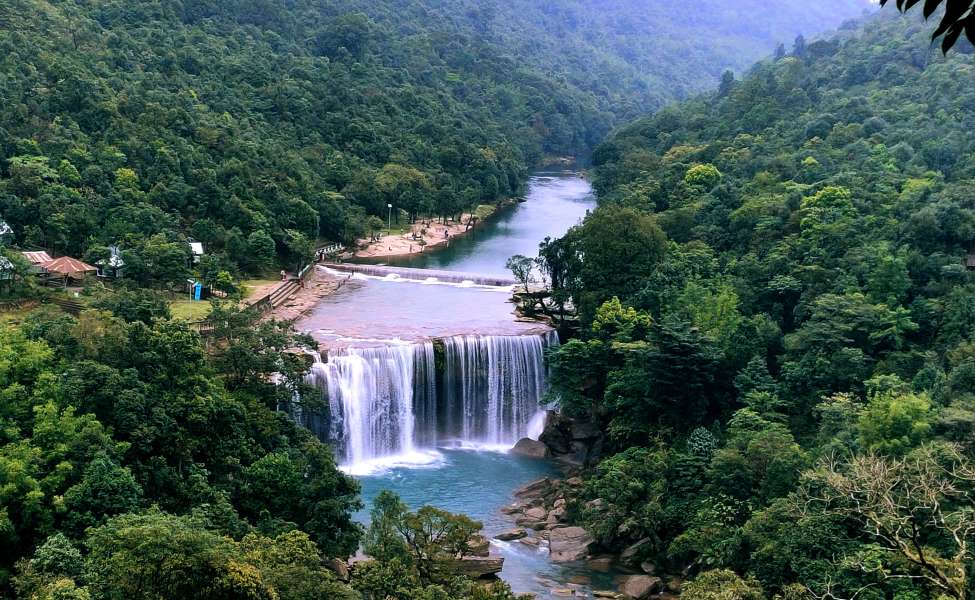
    Locals say that Myntdu is not just a river; she is a sentient spirit. She watches everyone who enters the valley, flowing around Jowai like an ancient sentinel. According to legend, if anyone pollutes her waters or harms the forests along her course, the river will rise — not in anger, but in sorrow.

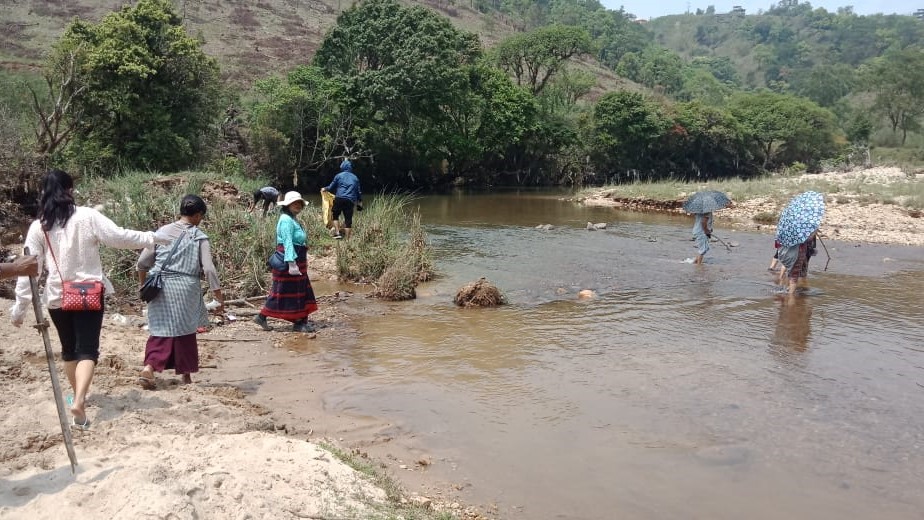
    Routine cleaning of The Myntdu River by the locals

    This myth is not just bedtime poetry — it has shaped how the Jaintia people interact with nature. Fishing is done seasonally, festivals often start with offerings to the river, and even children are taught to greet the river before splashing into her arms.

    Sacred Stones and Whispering Pines

    Beyond the river, Jowai is scattered with sites that hold mythological importance:

    • Nartiang Monoliths:
      A short drive from Jowai brings you to this field of giant stone menhirs and dolmens — said to be raised by ancient warriors and kings. Some locals believe they were once living guardians, turned to stone to protect the land for eternity.
    • Thlumuwi Stone Bridge and Falls:
      Built by Jaintia kings, this bridge is not just architectural pride but part of royal folklore. It is said that a royal couple once exchanged vows here, with the river promising to bear witness forever.
    • Syntu Ksiar – The Flower of Gold:
      A riverbank area in Jowai that commemorates Kiang Nangbah, a local freedom fighter. Legend says he carried the spirit of the Myntdu river in him — strong, silent, and defiant.

    Snippets from the Valley

    • Pine Needle Smoke:
      Villagers use dried pine needles as fire starters. The smell clings to woolen shawls and stories alike.
    • Midnight Drummers:
      During some harvest celebrations, you may hear drums deep in the forest — not played for an audience, but for ancestors.
    • Water That Whispers:
      It’s said that if you sit quietly by the river at dusk, you’ll hear her hum — a melody only those who listen without speaking can hear.

    Know Before You Go

    • Best time: November to February for clear skies and local festivals.
    • Stay: Guesthouses near Ialong Eco Park or local homestays around Thadlaskein Lake.
    • Local tip: Always ask before photographing elders or sacred spaces. Respect isn’t requested here — it’s expected.

    Jowai doesn’t just preserve its legends — it lives them. Whether it’s a whisper in the woods or the shiver of a river at dawn, the town reminds us that myths aren’t dead — they simply wait for someone who listens like they mean it.

    Some places echo with noise; others hum with memory. Jowai hums.”

  • Guardians of the Green

    Guardians of the Green

    Tucked between the emerald hills of Nagaland, Khonoma isn’t just a village — it’s a pledge. A promise made generations ago to stop hunting indiscriminately, to stop felling forests endlessly, and to start living with the land, not just off it.

    Today, Khonoma stands not as a tourist spot but as India’s first Green Village — a living example of how tradition can lead the way in conservation.

    From Battlefield to Sanctuary

    In the 19th century, Khonoma was known for its fierce warriors who resisted British colonization. The same determination now protects its hills. In 1998, after decades of unsustainable hunting practices, the villagers voluntarily declared 70 square kilometers of their forest as the Khonoma Nature Conservation and Tragopan Sanctuary (KNCTS).

    This wasn’t government-imposed — it was community-willed. Today, you’ll still find traps, but they’re rusted, tied to trees as reminders of a past they chose to leave behind.

    The Tale of the Tragopan

    Khonoma was once the hunting ground of the Blyth’s Tragopan, a rare pheasant and Nagaland’s state bird. Its numbers were falling fast. But thanks to the conservation efforts, the birds are now being spotted again — timid, yes, but slowly trusting the silence of safety.

    “We used to hunt them to show bravery. Now we protect them to show wisdom,” shares Khonoma’s community elder.

    Snippets from the Forest

    • The Ziekiezou Trek:
      This short but rich trail leads through sacred groves, whispering bamboo, and viewpoints overlooking rice terraces. Guided walks often include stories of medicinal herbs and ancestral boundaries marked by stones.
    • Woodsmoke & Watchtowers:
      Traditional Naga watchtowers once used to spot enemies are now used to sight hornbills. From up there, Khonoma unfolds like a green quilt stitched by generations.
    • No-Gun Generation:
      A new youth group proudly calls themselves the “No-Gun Boys.” They document birdlife, guide treks, and lead awareness drives in local schools.

    Know Before You Go

    • Permission required for KNCTS access: Most homestays can arrange it.
    • Best time: October to April for birdwatching and clear hikes.
    • Avoid plastic: The village practices strict eco-tourism policies.
    • Stay local: Homestays offer guided conservation walks and heritage meals.

    Khonoma didn’t wait for global campaigns or NGOs to fix its future. It looked inward. It chose to change — not to attract applause, but to protect its soul. And in doing so, it became a forest that speaks — not just in rustles and bird calls, but in choices.

    In Khonoma, every leaf is a lesson — not from textbooks, but from the hands that chose not to cut it.”