Category: Forests & Wildlife

  • Culture, Farming, and Apatani Tribe of Ziro

    Culture, Farming, and Apatani Tribe of Ziro

    Tucked amidst pine ridges and misty fields, Ziro in Arunachal Pradesh is not just scenic — it’s deeply lived in. The valley isn’t curated for visitors; it’s cultivated for its people. The Apatani community, who have been shaping this land for generations, follow a way of life rooted in sustainability, subtlety, and strength.

    Here, farming isn’t just labor — it’s knowledge. Walk past a Ziro paddy field and you’ll see fish swimming between rice stems — an ingenious paddy-cum-fish cultivation system that maintains soil fertility and food security without synthetic inputs. Not a technique invented in labs — but a practice born of patience and observation.

    A Landscape that Grows with Its People”

    The Apatani Way: Tied to Earth, Time and Memory

    Every home in Ziro feels like it belongs to the land. Made of pinewood and set on stilts, Apatani houses are often built by the family itself. Look closer at the woodwork, and you’ll find motifs — suns, birds, hornbills, spirals — symbols passed down generations. These aren’t decorative; they’re communicative, echoing stories of nature, protection, and identity.

    The older generation of women, with facial tattoos and cane nose plugs, carry a history both personal and political — a symbol of resilience from a time when cultural identity meant survival. Today, fewer youth continue this tradition, but the pride remains intact, alive in their festivals, songs, and daily rituals.

    Ziro’s Natural Quiet Isn’t Empty — It’s Full

    There’s something rare about Ziro’s silence. Not the absence of sound, but the absence of noise. You’ll hear footsteps on dry leaves, the whoosh of a bamboo swing, the echo of wood being chopped, the low hum of conversations between neighbours.

    Birdsong is a big part of this landscape. Ziro is part of the Important Bird Area network — a haven for birds like the rare Blyth’s Tragopan. But bird-watching here doesn’t feel like a tour — it feels like being let in on a quiet secret.

    Community First: Shared Work, Shared Joy

    In Ziro, most activities — from repairing roofs to planting fields — are collective. It’s not just about efficiency; it’s about spirit. During Murung, the major festival, villagers gather to bless harvests and honour ancestors. The celebrations are marked by ceremonial mithun sacrifices, songs that recount lineage, and feasts where every visitor is welcome — not just as a guest, but as someone to share with.

    Evenings here aren’t for nightlife. They’re for long walks, over meals cooked in bamboo tubes, and for watching fireflies settle into the forests.

    Travel Tip: Be Curious, Not Just Present

    • Getting there: Ziro is accessible by road via Naharlagun (nearest railhead) or Lilabari (nearest airport). Expect long, winding roads — and incredible views.
    • Best time to visit: March to May (for spring beauty), or September for the Ziro Music Festival.
    • Stay options: Opt for homestays that offer cultural immersion over luxury. Hosts are usually happy to share stories, food, and time — if you ask with interest.
    • What to bring: Walking shoes, rain protection, and an open mind.
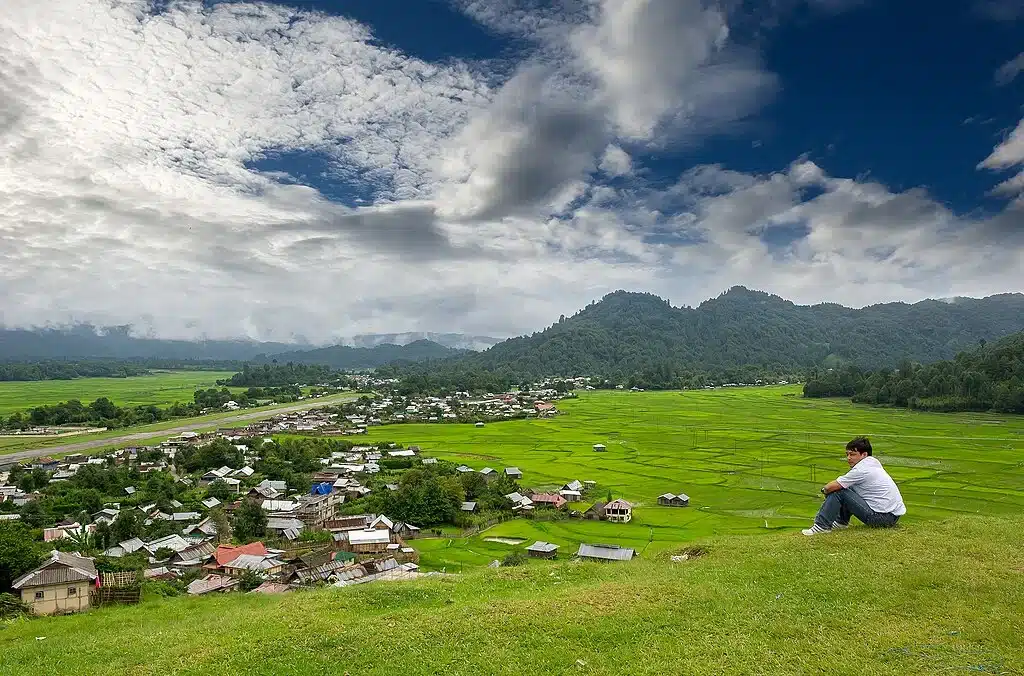
    Ziro isn’t about what’s missing from urban life. It’s about what’s quietly endured — harmony with nature, respect for rhythm, and dignity in tradition. Spend a few days here and you don’t feel detached from the world — you feel reattached to something you may have forgotten.

    Somewhere between the hills and hands that tend them, Ziro reminds you how to be human again.”

  • Healing in the Highlands

    Healing in the Highlands

    A Landscape of Layers”

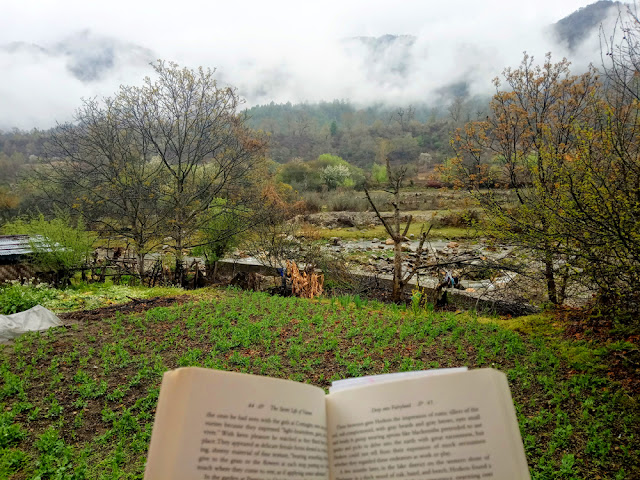
    Zemithang isn’t a place that announces itself. It unfurls — with cedar-scented winds, quiet prayer wheels, and the hush of mountains that keep their own counsel. Near the borderlands of Arunachal Pradesh and Bhutan, this Monpa village holds both isolation and invitation in equal measure.

    The roads may narrow as you ascend, but your perspective only widens.

    Where Wisdom Grows Wild

    In a shaded clearing beyond the cluster of houses, an elderly Monpa woman tends to a garden. Not of vegetables, but of remedies — wild mint for headaches, rhododendron bark for inflammation, and nettle roots for digestive woes.

    “Everything you need, the forest already knows,” she says gently, more as a passing thought than a lecture.

    You won’t find a pharmacy here. You’ll find a relationship — between people and place, where plants are not products but kin. Knowledge isn’t archived in books. It’s grown, gathered, and remembered.

    Between Borders, Beneath Belief

    The Gorsam Chorten — a serene, white-domed structure — watches over the valley like an old monk at rest. Locals say it mirrors the Boudhanath of Nepal. Pilgrims walk around it quietly, spinning prayer wheels not for spectacle, but out of habit, faith, and rhythm.

    There are few tourists here, fewer distractions. Just wind, flags, and footsteps. The border with Bhutan is close, but invisible. What’s more visible is harmony — of Buddhism, of animism, of generations walking the same slow paths.

    Snippets from Zemithang

    • The Courtyard Conversations:
      Women sit weaving yak wool by hand, talking about clouds as if they were gossiping about neighbors.
    • The School Without Bells:
      Children gather under a pine tree with a teacher who uses pebbles and parables in equal measure.
    • The Bridge Across Time:
      A rickety wooden bridge leads to a hamlet untouched by mobile signals — but rich in stories passed nightly by firelight.

    Know Before You Go: Travel Notes for Zemithang

    • How to reach: Take a private vehicle or shared sumo from Tawang town, passing through Lumla. The road is bumpy but worth every turn.
    • Stay: Family-run homestays offer traditional meals, wool blankets, and lots of quiet.
    • When to go: March to May or September to November — for flowers, festivals, and visibility.
    • Respect the place: Photography is welcome, but always ask. Some corners of life here are meant to be experienced, not archived.

    Zemithang is not on many maps — not emotionally, at least. But to walk here is to witness a way of life where healing is slow, silence is wise, and faith is not worn — it’s lived.

    Some places teach you to listen. Zemithang teaches you to listen without asking for answers.”

  • Where Prayer and Pines Meet

    Where Prayer and Pines Meet

    A Hamlet in No Hurry”

    Tucked deep within West Kameng district of Arunachal Pradesh, Shergaon is not a detour — it is the road less taken. As you drive through pine-lined curves and prayer flags fluttering like whispers, the world you left behind begins to mute itself.

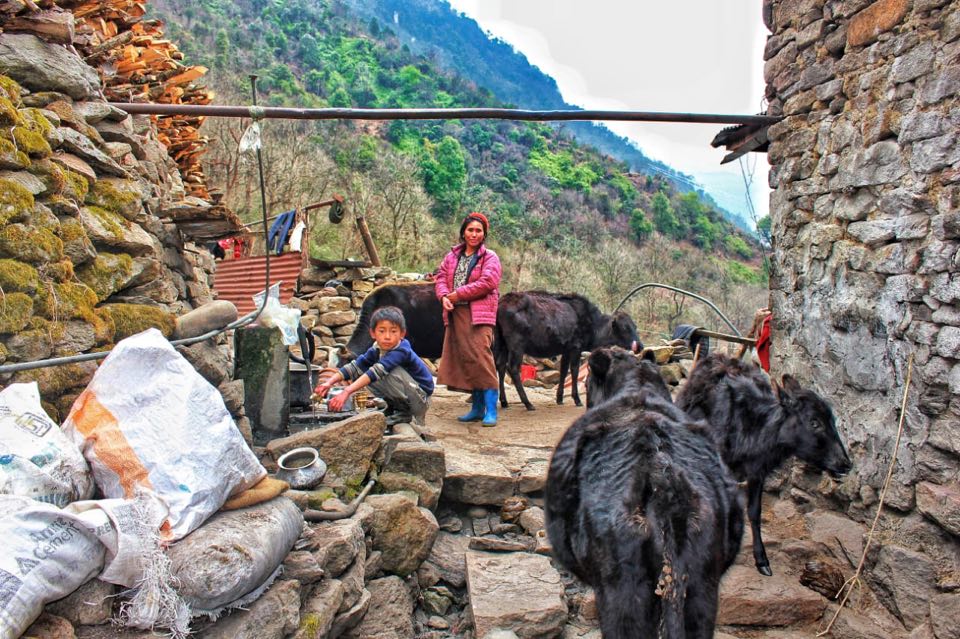
    The Monpa village of Shergaon lives at its own pace. Morning smoke curls from wooden chimneys. Monks walk barefoot to the temple. The rhythm here isn’t slow — it’s steady.

    More Than a Monastery

    Most travellers arrive looking for the Shergaon Gompa — a Buddhist monastery tucked against pine-covered slopes. But what stays with you isn’t just the stupa or the prayer wheels. It’s the warmth of the head monk who speaks in metaphors. The child who offers you a cherry from his pocket. The woman who lights a butter lamp — not for blessings, but for balance.

    You’ll see villagers praying, yes. But more often, they’re planting, cooking, fixing — living their beliefs through acts, not announcements.

    Fields of Red and Wisdom

    Shergaon’s fields glow red in autumn, not from flowers, but from red amaranth, grown beside buckwheat and maize. The Monpas practice traditional permaculture — rotating crops, resting soil, and using herbs not just for taste, but for temperament.

    “We grow what grows with us,” says a farmer and part-time teacher.

    Farming isn’t a job here — it’s participation. Even elders take their walking sticks to the orchard.

    Snippets from Shergaon

    • The Herbalist’s Basket:
      Tsering Dolma collects 8 herbs every full moon — a mix of roots, flowers, and stems. “One for strength, one for peace,” she smiles. No written chart. Only memory.
    • The Wind Chimes Are Real:
      Not decorative ones — but actual bells tied to prayer flags and fruit trees. When the wind blows, it carries more than sound — it carries a wish.
    • Pine Fire and Pickles:
      In every kitchen: pinewood fire, yak milk tea, and fermented bamboo shoot pickle. The taste is sharp, but the memory lasts longer than the burn.

    Know Before You Go

    • Getting There: Best accessed via Bomdila or Dirang; shared vehicles from Guwahati and Tezpur (Assam) operate during daylight hours.
    • Stay Options: Homestays with Monpa families offer both wooden floors and floor-sitting warmth.
    • Ideal Season: October to March — for clear skies and cultural ceremonies.
    • Responsible Travel Tip: Don’t pick herbs or wildflowers unless guided by a local. Nature isn’t display — it’s livelihood.

    Some places don’t change you. They remind you of what you never lost.”

  • Cherrapunjee: Beyond the Rainfall Records

    Cherrapunjee: Beyond the Rainfall Records

    Mention Cherrapunjee, and most people think of rain — endless, world-record-breaking rain. But for those who take time to linger, Sohra (as it’s locally called) reveals itself as much more than a weather report. This highland town in Meghalaya isn’t just wet — it’s wildly alive, deeply cultural, and surprisingly soulful.

    The Myth of Wetness, and What Lies Beneath

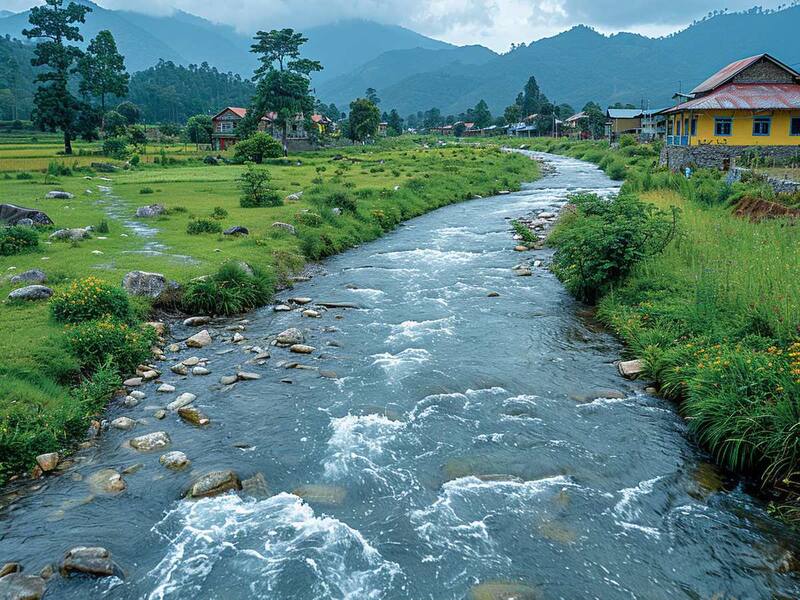
    Yes, it rains. Sometimes for weeks on end. But it’s in the rhythm of this rain that the Khasi way of life finds meaning. From water-harvesting bamboo systems to forest lore, the people here have not only adapted — they’ve celebrated the wetness. Their architecture, songs, and even food carry echoes of a land carved by clouds.

    And in the monsoon’s pause, the valley sings in green.”

    A Landscape Made for the Mindful

    Cherrapunjee is one of those rare places where geology and mythology intertwine. Gorges that echo with the sound of waterfalls. Caves that once sheltered spirits and rebels. And root bridges — living, growing testaments to Khasi ingenuity — are found in and around villages like Nongriat and Laitkynsew.

    This isn’t the place for speed travelers. Here, nature demands reverence.”

    Living with the Khasi People

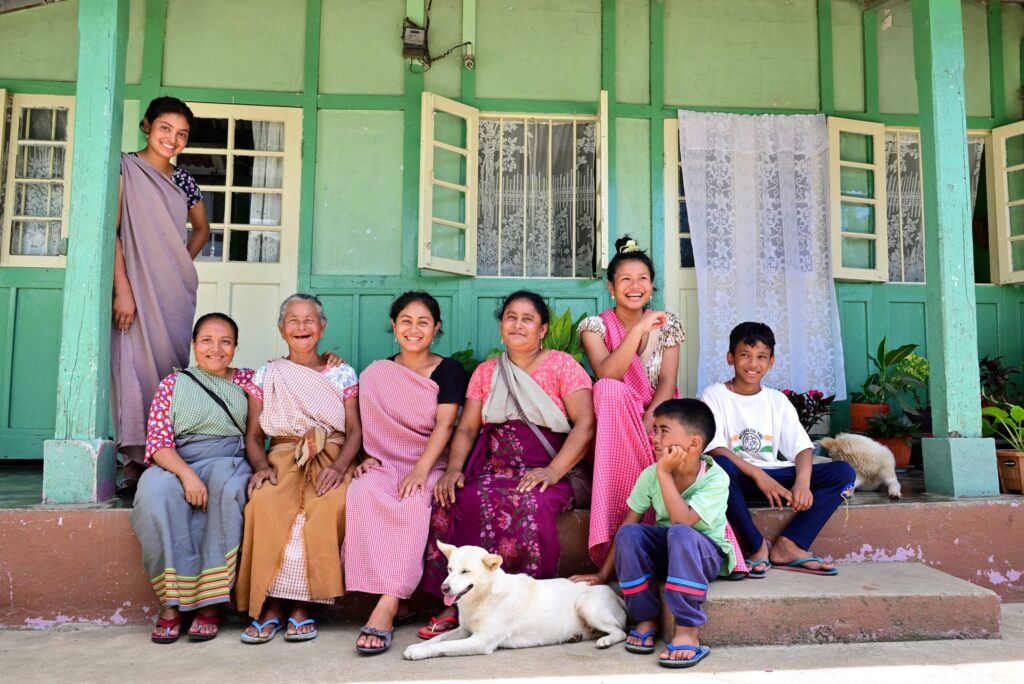
    Spend a day with a local family, and you’ll see that Khasi culture flows matrilineally, with women holding family and land. Conversations in softly spoken Khasi or English unfold over plates of ja doh (rice and pork) or vegetarian delights like jadoh tungtap. The sense of identity here is strong — rooted in earth, clan, and sky.

    Experiences That Matter

    • Trek to the Double-Decker Root Bridge in Nongriat — more than a hike, it’s a lesson in resilience.
    • Visit Mawsmai Cave, not just for the formations, but for the whispered histories inside.
    • Spend a night in a Khasi homestay, and listen to rain hit the tin roof like a lullaby.
    • Chase waterfalls like Nohkalikai, but leave room for the unnamed ones you’ll discover.

    When You Visit

    Walk light. Pack layers. Ask questions. And always remember — you’re a guest in someone’s rain-loved, memory-soaked home.

    Not all that falls is heavy — some rains are made of stories waiting to be heard.”

  • Ziro: Where Fields Sing and Mountains Listen

    Ziro: Where Fields Sing and Mountains Listen

    Ziro is not just a place on the map — it’s a melody between pine-covered hills, golden rice terraces, and ancient tribal memory. Nestled in the lower Subansiri district of Arunachal Pradesh, this picturesque valley is home to the Apatani tribe, known for their harmony with nature, sustainable farming practices, and a lifestyle that gently resists the rush of time.

    Whether you walk through its UNESCO-nominated landscapes or sit beside an elder spinning tales of rice and sky, Ziro invites you to breathe slower, observe deeper, and feel more present.

    A Valley That Thinks in Green

    The Apatani’s renowned wet rice cultivation without the use of machinery or external irrigation is a marvel of indigenous engineering. Walk through their fields and you’ll find yourself amid an ecosystem where agriculture and aquaculture coexist — where each terrace tells a story of resilience, adaptation, and deep-rooted care.

    It’s not about productivity here; it’s about balance. The birds are welcome. So are the frogs. Life thrives where nothing is wasted.

    Between Pine Groves and Folk Songs

    Ziro’s air carries tunes. Sometimes it’s the sound of Bihu-like Apatani folk songs, and other times it’s the echo of the wind through pine trees. Locals often gather with handmade instruments, performing not for applause, but for memory.

    Ziro also hosts the Ziro Music Festival, an independent celebration of culture, sound, and sustainable living. But the valley sings even when there’s no stage — every corner hums with lived rhythm.

    People of the Mist and Meaning

    The Apatanis are known for their deep wisdom, kindness, and striking identity — traditionally marked by facial tattoos and nose plugs in women, a practice rooted in both cultural pride and historical resistance. While modern generations may choose differently, the stories remain, carried with dignity.

    Their homes are wooden, their hearts are open, and their understanding of the land is a quiet education in itself.”

    Experiences to Hold Close

    • Walk the terraced farms alongside Apatani farmers and learn about their forest-to-field knowledge.
    • Visit Hong Village, one of the largest tribal settlements, and observe centuries-old Apatani architecture.
    • Share a meal of local rice beer and bamboo-cooked pork or greens.
    • Explore the sacred groves and ritual sites, where nature and faith meet under ancient canopies.

    A Word of Respect

    Ziro is stunning, yes. But it’s also sacred — not in the religious sense, but in its intimacy with life. Avoid plastic, don’t shout over its silence, and travel as if someone has opened their diary for you to read — gently, and with gratitude.

    To walk through Ziro is to hear how softly the earth can speak.”