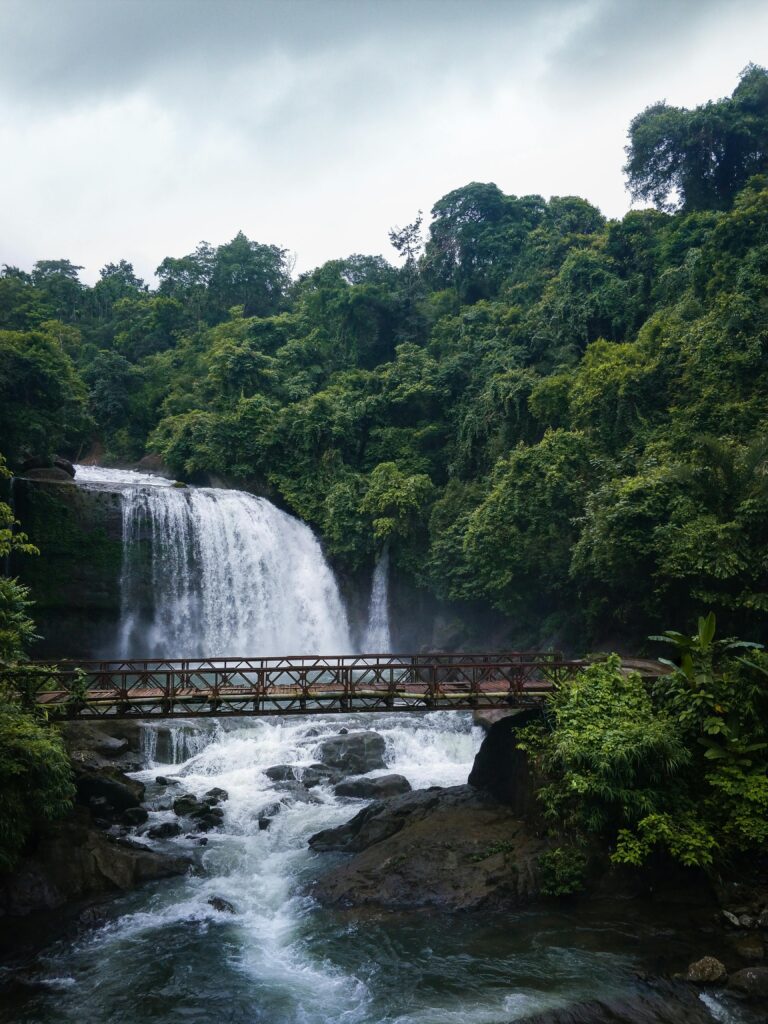
Category: Festivals & Firelight

  • Fire in the Valley

    Fire in the Valley

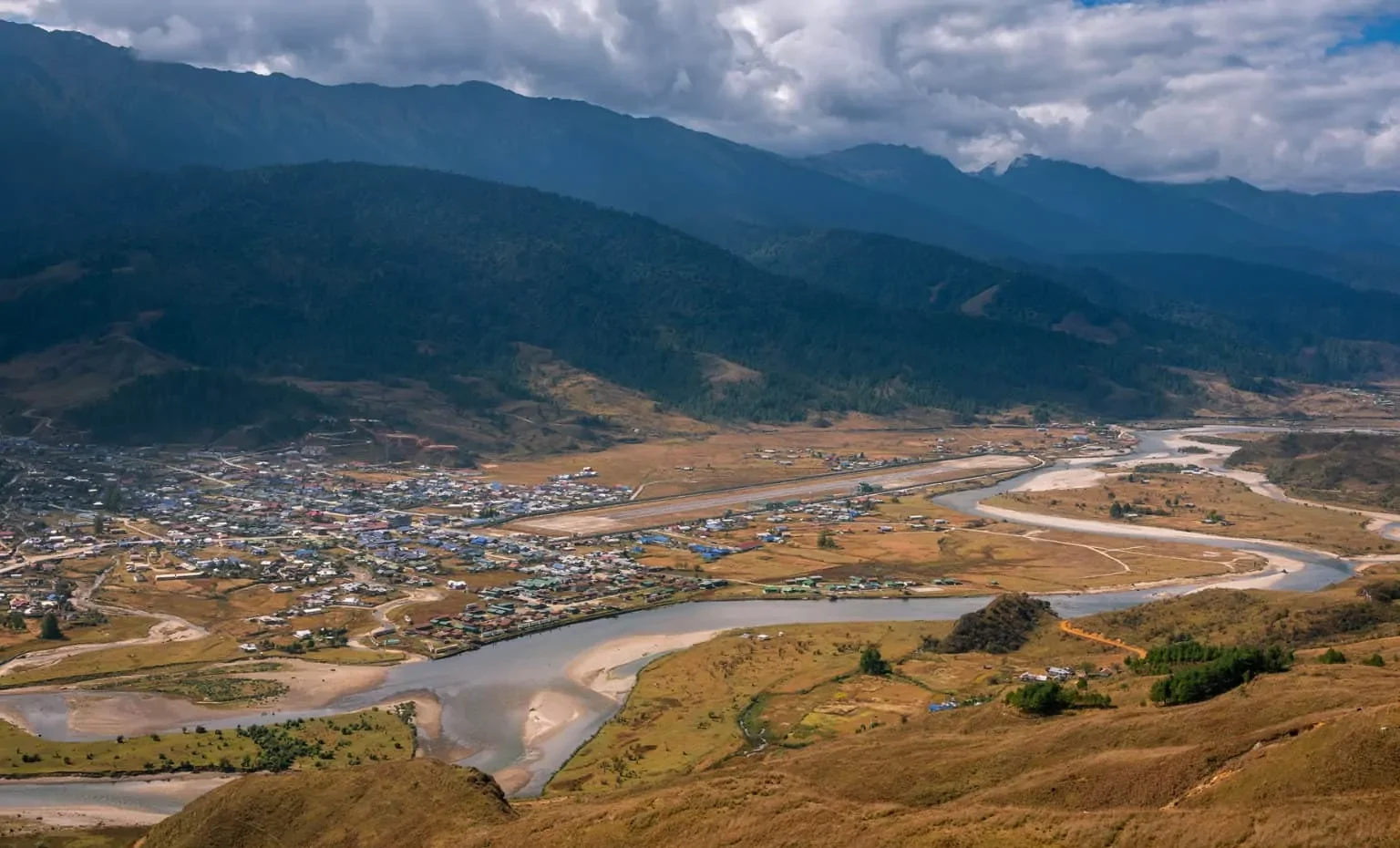
    Menchuka lies quietly in the folds of Arunachal Pradesh, surrounded by pine forests and prayer flags, where the river Siyom hums stories of the mountains. But when festival time comes — particularly during Mopin or Losar — this silence lifts, giving way to drums, chants, dances, and the warm crackle of communal fire.

    In Menchuka, festivals are not performances. They are memories kept alive with barley flour, butter lamps, and the collective rhythm of hope.

    Mopin: A Festival of Flour and Fire

    Celebrated by the Galo tribe, Mopin is a springtime festival that asks for prosperity and protection against evil. White rice flour is smeared on faces, homes are decorated with leaves, and villagers gather around massive bamboo bonfires as priests chant blessings into the night air.

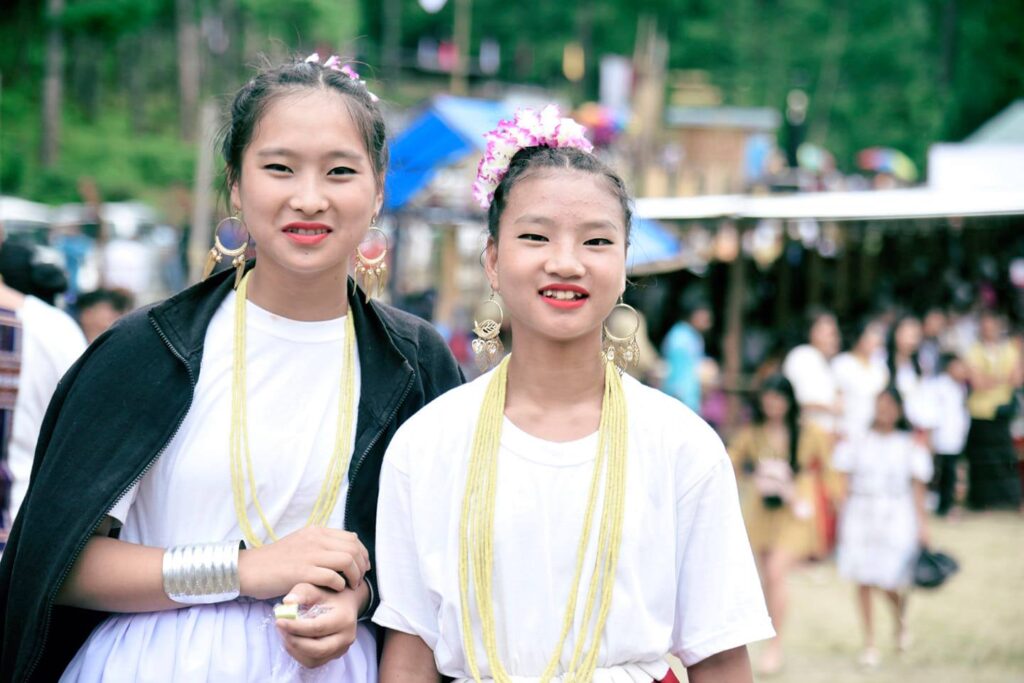
    Central to Mopin is the ritual of Popir dance — graceful, circular movements performed by women dressed in white, symbolizing purity and community. There’s no stage, just earth; no audience, only participation.
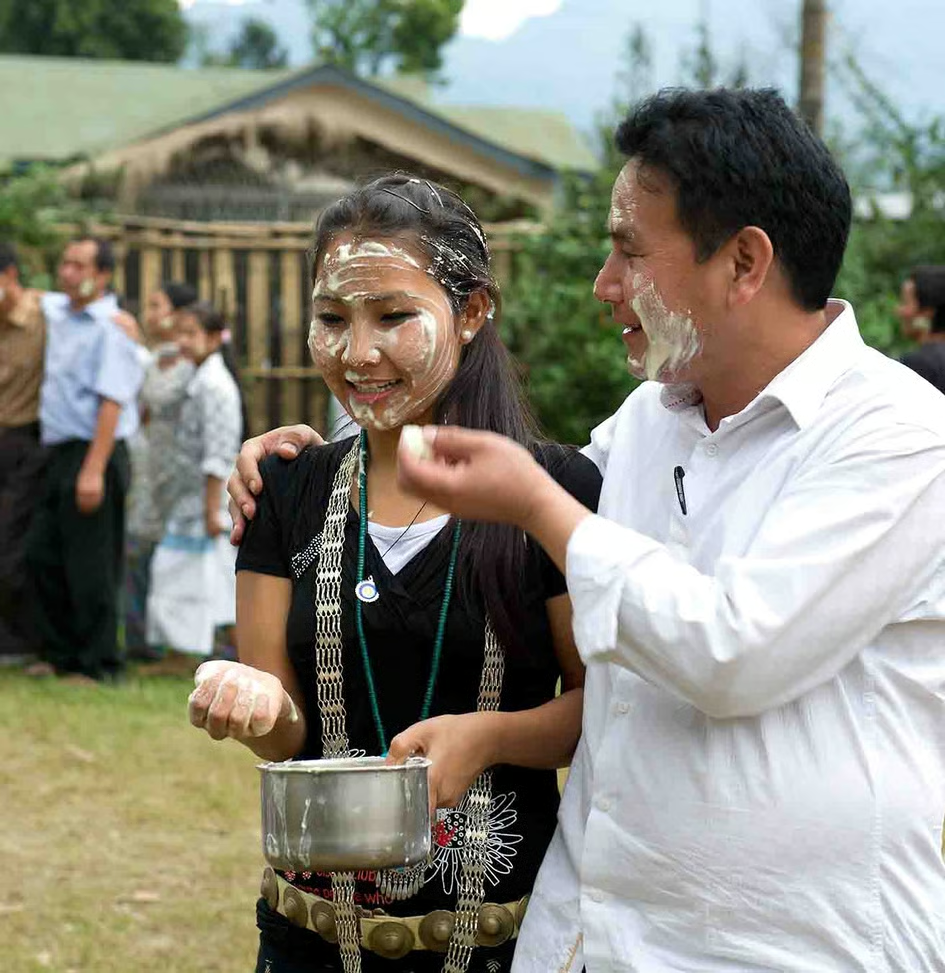
    “You don’t watch Mopin,” said our hostess. “You become part of it — or you miss it entirely.”

    Losar: When Monasteries Sing

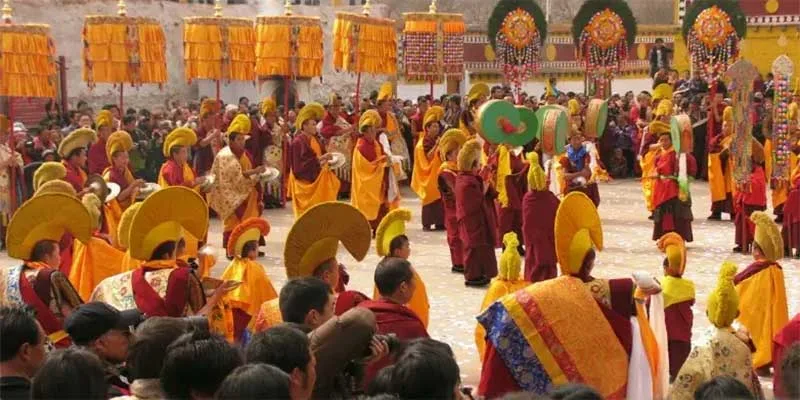
    While Mopin belongs to the Galos, Losar, the Tibetan New Year, is celebrated with equal fervor by the Memba community in Menchuka. It’s a time of spiritual renewal — with Gumpa prayers, butter lamp offerings, and monks performing masked Cham dances to dispel evil and welcome peace.

    Monasteries like Samten Yongcha come alive with colors, chanting, and quiet devotion. The warmth of chang (local rice beer) and the lighting of ceremonial fires turn the chill of February into a season of togetherness.
    Snippets from the Valley

    • Ritual Smoke at Dusk:
      During festivals, pinewood is burnt not just for warmth, but for its fragrance. The smoke is believed to purify the air and invite ancestral blessings.
    • Singing While Cooking:
      In many homes, cooking is done in groups, with women humming songs passed down generations. Recipes are never written — they’re remembered by taste and tune.
    • The Festival Scarf:
      Known as pomo, this ceremonial scarf is offered with both hands during festivals — a gesture of goodwill, respect, and emotional connection.

    Bonfires That Bless

    During Mopin, bonfires are not just symbolic — they are participatory. Families bring twigs, leaves, and even small items they wish to “cleanse” through the flame. These fires are believed to carry messages to spirits, guiding them gently back to the heavens.

    Know Before You Go

    Best time:

    • Mopin: Early April
    • Losar: February or March (as per the lunar calendar)

    Where to experience it:

    • Samten Yongcha Monastery, local community grounds in the valley

    Cultural etiquette:

    • Avoid stepping in front of dancers during rituals
    • Always accept ceremonial offerings with both hands

    Tip:

    • Carry warm clothes — festival nights can be freezing even in spring

    In Menchuka, festivals aren’t announcements — they are affirmations. Of roots, of relationships, and of the radiant flame that connects people to land and spirit. You don’t need to understand every chant or gesture. Just show up with warmth in your heart — the fire will do the rest.

    The mountains may keep you apart, but a fire shared at festival time brings every heart closer.”
  • Where the Drum Begins

    Where the Drum Begins

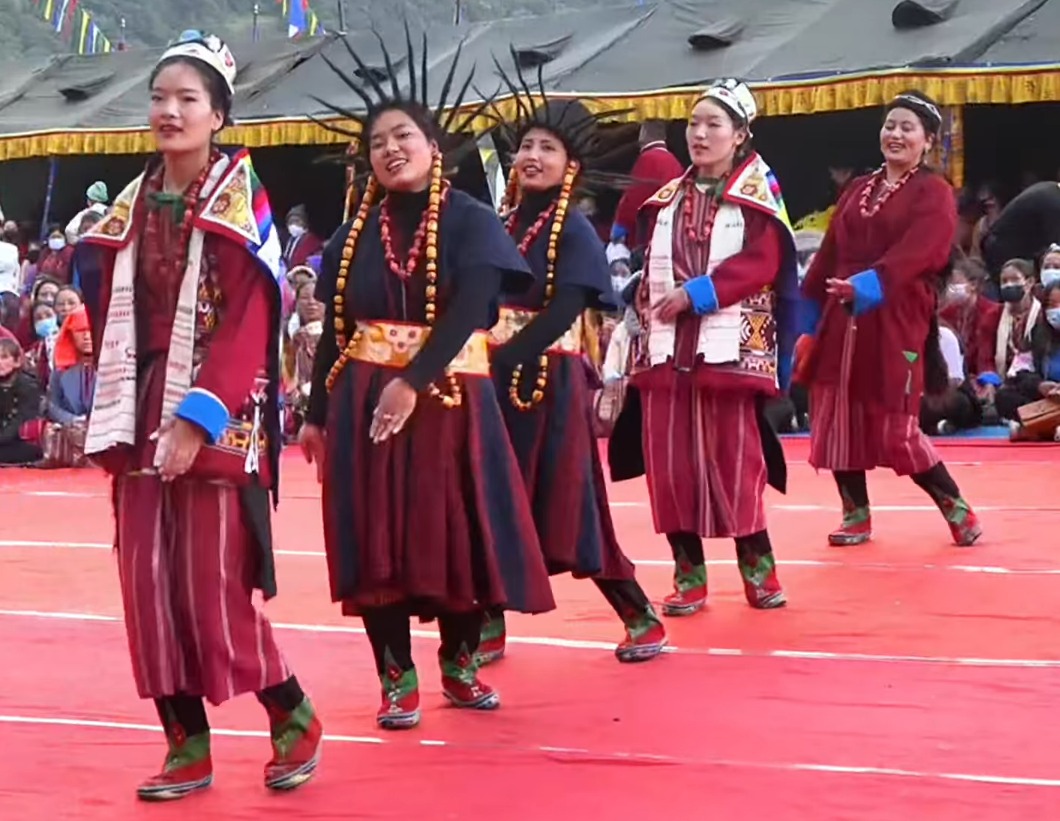
    In Zemithang — the last village before the borders blur into Bhutan and Tibet — dance is not an act of performance. It’s how history breathes. Here, tucked into the folds of the Pangchen Valley, the rhythms of life are measured not by calendars but by chants, cymbals, and slow, circular steps.

    This is where tradition moves not on stage, but on packed earth, under prayer flags, beside flickering butter lamps. This is where the drum begins.

    The Dance of the Pangchenpa

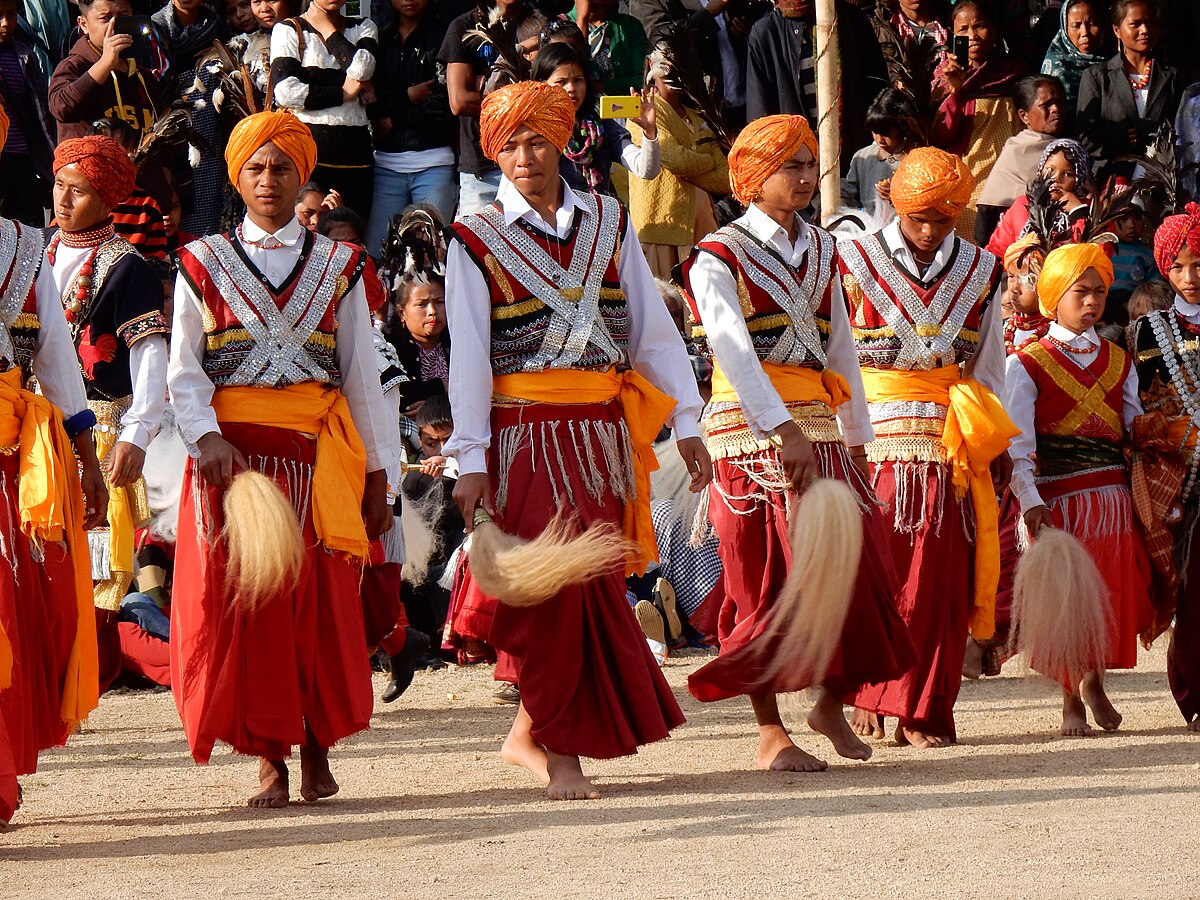
    The Pangchenpa people — who speak a dialect of Tibetan and follow Mahayana Buddhism — have passed down their sacred dances for centuries. The Cham dance, performed during Losar (Tibetan New Year) and other monastery festivals, is not merely ritualistic. It is cosmic theatre.

    Masked dancers, embodying wrathful deities and protective spirits, move in choreographed patterns to drive away negative forces and invite prosperity. Each movement is deliberate, timed to traditional Tibetan instruments like the dungchen (long horn), nga (drum), and gyaling (reed flute).

    “We don’t dance to impress,” says a monk from Gorsam Chorten. “We dance to remember what must never be forgotten.”

    Gorsam Chorten: Sacred Rhythm Keeper

    The towering white dome of Gorsam Chorten, built in the 13th century, is Zemithang’s spiritual heart. During the annual Gorsam Kora, devotees walk clockwise around the chorten — often for days — spinning prayer wheels and whispering mantras.

    It’s here that you may witness spontaneous gatherings of villagers draped in traditional attire, their feet dusting the earth in quiet unison as someone plays a melody older than memory. No applause. No curtain calls. Just movement and meaning.

    Snippets from the Valley

    • Dance on Roofs:
      During festive months, you might see young villagers practicing on rooftops — their shadows dancing before their bodies.
    • Songs Without Words:
      Elders sing wordless melodies that mimic river flows and wind patterns. Each tune has a purpose — to summon rain, to bless a harvest, or to honour the departed.
    • Children of the Drum:
      Boys as young as six are taught the rhythm patterns — not from books, but by sitting beside the village drum, feeling the beats with their palms.

    When Silence Is Music

    Zemithang teaches you that rhythm doesn’t always require noise. The prayer flags fluttering above fields, the spinning of wheels in Gorsam Kora, the synchronized hand movements of masked monks — all of it is music. Just not the kind you measure in decibels.

    Know Before You Go

    • Festival timing: Visit during Losar (usually February–March) or the Gorsam Kora (April) for traditional dances and rituals.
    • Stay options: Basic homestays available in Zemithang; limited mobile connectivity, but immense hospitality.
    • Travel tip: Be respectful during religious dances — never interrupt or stand in front of masked performers. Photography should be minimal and only with consent.

    In Zemithang, dance doesn’t seek an audience — it seeks continuity. It is a bridge between the seen and the unseen, between ancestors and children, between rhythm and silence. Come not to watch, but to witness.

    In places where the world ends, the soul begins to move.”

  • When the Hills Sing in Firelight

    When the Hills Sing in Firelight

    Cherrapunjee isn’t just about rains — it’s about rhythm. The same skies that pour generously in monsoons also clear up to reveal evenings filled with warmth, fire, and song. If you’ve only visited Cherrapunjee for the waterfalls, you’ve missed its true essence: the quiet joy of gathering.

    The Khasi people don’t celebrate with pomp — they celebrate with presence. Around hearths, beside ancient monoliths, or beneath the sacred groves, their festivals reflect deep harmony between humans, nature, and spirit.

    Nongkrem: More Than a Festival

    Held annually near Cherrapunjee, the Nongkrem Dance Festival is not a performance — it is a ritual, a renewal of blessings. Held by the Syiem (chieftain) of the Hima Khyrim, this five-day festival seeks the blessings of Ka Blei Synshar, the Supreme Creator, for peace and prosperity.

    Women in ornate Jainsem and traditional gold and coral ornaments move with controlled grace, while men wield swords in rhythmic war dances. The festival takes place in Smit, a village not far from Cherrapunjee, but its spirit echoes through the plateau.

    “We don’t dance to be seen. We dance because it’s how we speak to the Divine,” a local elder explains.

    Fire at the Heart of Khasi Life

    In many Khasi homes, the hearth is sacred. During festivals and gatherings, fire becomes a companion — a silent witness to laughter, debates, and shared meals. On chilly nights, especially post-harvest, the community often gathers under the stars to sing folk songs, tell stories of ancestors, and cook rice beer.

    No sound system. No selfies. Just warmth, wind, and stories older than memory.

    Snippets from the Plateau

    • A Night at Mawmluh:
      Youngsters perform a moonlit skit about rain spirits — a mix of humour, folklore, and fierce pride.
    • Local Music at a Living Root Bridge:
      You’ll find an impromptu jam session of bamboo flutes and Khasi drums during quieter months — not for tourists, but for themselves.
    • The Monoliths of Mawsmai:
      Often mistaken for ruins, these stone structures are commemorative — every festival pays respects here.

    Know Before You Go

    • Festivals follow lunar cycles: Dates may shift — check with locals or homestays.
    • Dress modestly when attending rituals: Respect the sanctity of the space.
    • Photography may be restricted: Always ask before clicking during rituals.
    • Best season: November to January for Nongkrem and winter gatherings.

    In Cherrapunjee, fire doesn’t burn to impress. It glows to gather. When you sit around it with strangers who soon feel like kin, you realise — some of the best festivals aren’t public. They’re personal.

    In the hills of Cherrapunjee, joy doesn’t echo — it settles beside you, like warmth from a dying ember.”

  • Stories Flow Beneath the Surface

    Stories Flow Beneath the Surface

    Jowai, the heart of the Pnar people in Meghalaya’s West Jaintia Hills, is known for its tranquil charm — but beneath the stillness, there are stories layered like the riverbed of Myntdu. The locals say the river listens. It hears everything: prayers whispered into the wind, songs sung from betel-stained lips, the language of forests carried by bamboo flutes.

    This isn’t a place that explains itself. It invites you to stay long enough until the patterns reveal themselves.

    Ancestral Altars and Everyday Life

    Jowai isn’t frozen in the past — but its traditions breathe through daily life. In small courtyards, families light fires near monoliths for private rituals. Grandmothers recount legends of U Sajar Nangli while weaving cane baskets. There’s no ceremony to it. Culture is not performance here — it’s presence.

    Local Voices, Local Ways

    • The Weaver’s Wisdom:
      In Raliang village, a weaver says, “Our threads don’t follow fashion. They follow stories. Every motif has a meaning — it speaks of rain, harvest, or loss.”
    • Betel Nut Trails:
      All across Jowai, betel nut trees line paths and fields. They’re not just crops — they’re companions in rituals, offerings, and conversation.
    • The Rhythm of Rites:
      Traditional drumbeats at Niamtre ceremonies don’t seek an audience. They seek the ancestors. Outsiders are welcome, but not entertained — a distinction that makes all the difference.

    Interesting Insight: Myntdu is Sacred

    The Water Keeps the Memory”

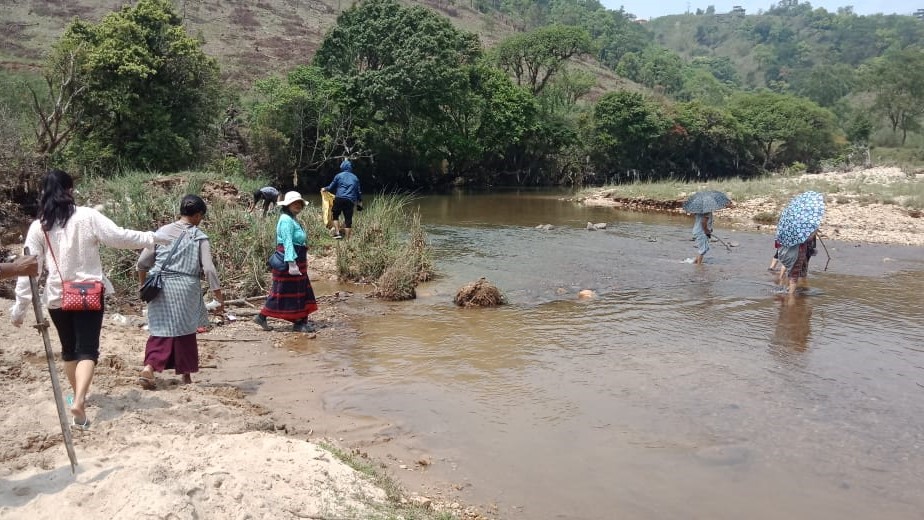
    The Myntdu River is considered sacred by the Jaintia people. It is not just a water source — it is spoken to before rituals, crossed with care, and never disrespected. Some villages forbid washing clothes in it. The respect is not mandated — it’s inherited.

    A cleaning drive on the Mytundu River by the locals

    Know Before You Go: Travel Tips for Jowai

    • Getting there: About 65 km from Shillong by road. The drive winds through pine forests and waterfalls.
    • When to visit: Winter (Nov–Feb) for dry days, or monsoon (Jun–Sep) for misty magic and festivals.
    • Must-see: Tyrshi Falls, Thadlaskein Lake, Jowai market (especially on market day), Nartiang Monoliths.
    • Where to stay: Simple homestays around Jowai or nearby resorts toward Thadlaskein offer peaceful options.

    Jowai doesn’t unfold like a destination. It deepens like a conversation. One you may not fully understand, but one you’ll feel echoing long after the drive back.

    Not every journey shows you the world — some teach you how to listen to it.”

  • Where Rain Writes the Rules

    Where Rain Writes the Rules

    When the Sky is a Storyteller”

    Cherrapunjee isn’t just about heavy rainfall. It’s about how people live with the rain — not against it. It’s one of the few places where weather becomes a part of memory. Here, conversations pause mid-sentence when the rain thickens. Tea tastes better under tin roofs. Children play barefoot in puddles — because wet isn’t a nuisance, it’s a way of life.

    The Khasi call this land Sohra — a name that lives in lullabies, local legends, and laughter.

    Living Bridges, Living Patience

    One of the most iconic gifts of Cherrapunjee is its living root bridges. These are not made — they are grown. Over decades, villagers guide the roots of the Ficus elastica tree across streams until they take shape and strength.

    They’re not for show — they’re used by schoolchildren, farmers, elders. Each bridge is a lesson in time, resilience, and care — no shortcuts, no urgency.

    We never asked the trees to hurry,” says Sukher, a local guide. “The forest taught us to wait.”

    Snippets in the Mist

    • The Hills Echo Differently:
    • In some corners, you’ll hear folk songs carried across valleys. They’re not sung loud — they’re meant for those who listen.
    • The Orange Vendor by the Cliff:
    • He doesn’t just sell fruit. He explains which tree it came from, when it was picked, and how the skin makes a great face pack. Everything here comes with a story.
    • Monoliths in the Grass:
    • Scattered across meadows, they stand like old sentinels. Some say they mark ancient clan gatherings, others call them waypoints for the soul. No one knows for sure — and maybe that’s the beauty.

    Interesting Insight: Rain as Ritual

    Locals in Sohra don’t treat rain as a problem to escape. Rain festivals, traditional homes with slit ventilation, rain-harvesting pits — all speak of a lifestyle tuned to monsoon rhythms. Many Khasi folktales even begin with the weather — as if the sky is the first narrator.

    Know Before You Go: Travel Tips for Cherrapunjee

    • Getting there: Around 55 km from Shillong by road. The drive itself is scenic, especially during monsoon.
    • Best time to visit: October to May for clearer skies; June to September for dramatic monsoon beauty.
    • What to explore: Arwah Caves, Nohkalikai Falls, Double Decker Root Bridge (Tyrna), local Khasi cuisine.
    • Stay options: Homestays in Laitkynsew or eco-lodges around Tyrna offer comfort with intimacy.

    Cherrapunjee doesn’t put on a show — it simply exists with quiet power. Every sound, every step, every shade of mist has a place. Here, rain doesn’t stop life. It writes it.

    In Cherrapunjee, even silence has a rhythm — and the clouds know it by heart.”