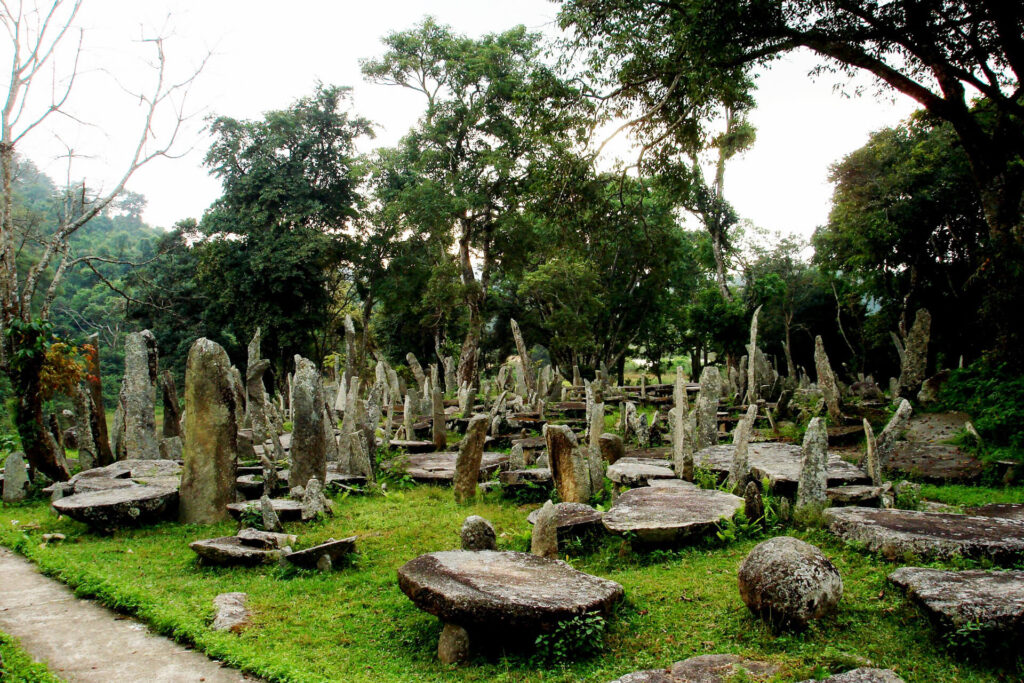
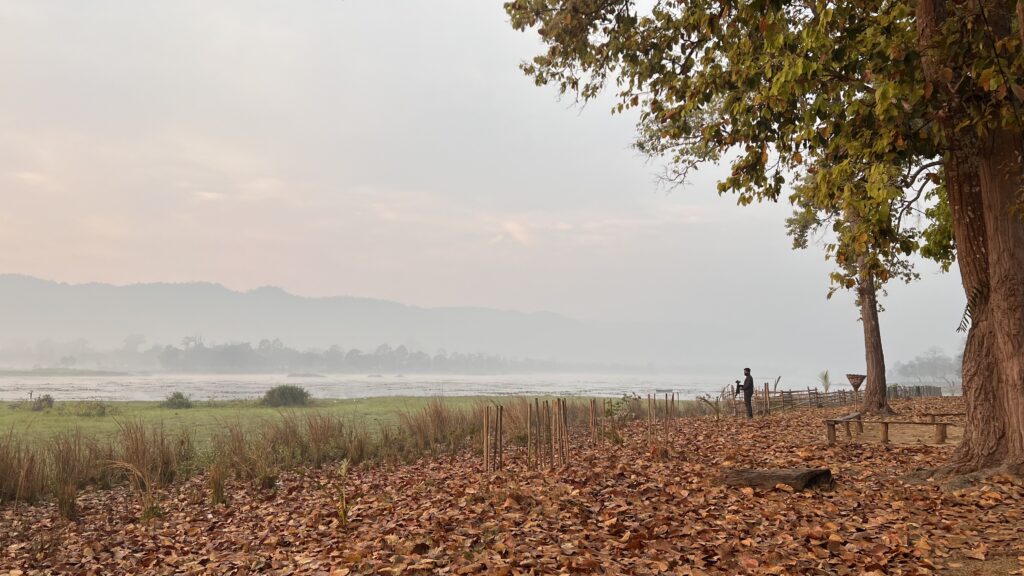
Tucked at the foothills of Assam’s Garo hills, Chandubi Lake doesn’t announce itself with drama. It greets you with stillness. Bamboo groves sway, birds return without a fuss, and the lake reflects whatever the sky decides to be.
There are no brochures waiting at the entrance. But if you listen closely — to the paddles, to the forest hush, to the fire crackling outside a villager’s home — Chandubi speaks.
Waters That Remember
Locals say the lake was born after the great earthquake of 1897 — when the earth cracked, and the forest filled with water. Since then, time here has been shaped by nature’s memory.
Fishermen paddle silently, navigating the shallows with bamboo poles. Their boats are hand-carved, passed down through families. “You don’t force your way through this lake,” says Dijen, who’s been fishing here for 30 years. “You move with it.”
A Place That Doesn’t Hurry”
Footsteps in the Forest
A short walk through nearby tribal villages reveals everyday life — drying herbs tied to windows, handwoven baskets, children returning from school across leaf-strewn paths. No curated experiences. No lens flare.
In the dense patches of forest that surround the lake, birdcalls become markers of time. Hornbills, drongos, and orioles all have their space. Nature doesn’t pose here — it carries on.
Snippets from the Shore
- The Evening Circle:
- At sundown, villagers often sit in quiet groups by the water — not to discuss business, but to share warmth. Sometimes in words, sometimes in silence.
- The Bamboo Rudder:
- A fisherman guides his dugout canoe with one pole and a quiet hum. “The lake doesn’t rush,” he smiles. “So I don’t either.”
- The Tea Stall Conversation:
- A woman named Bina pours red tea and recounts how they celebrate Bihu by the lake, not with fireworks, but with community plays and shared cooking.
The Garo Influence
Though in Assam, the lake is closely linked with the Garo community. The border culture here means songs sung in Garo blend with Assamese rhythms. Traditional dances happen not on stage, but in open courtyards during local events. And food — smoked fish, wild greens, and fermented bamboo shoots — speaks of this mingling.
Know Before You Go: Travel Tips for Chandubi
- Getting there: Around 60 km from Guwahati. Accessible by road — best during daylight hours.
- When to visit: October to March offers dry skies and the clearest reflections.
- What to carry: Binoculars, light woolens, respect for nature — and time.
- Stay options: Rustic eco-campsites and a few village stays offer meals, stories, and slow mornings.
Chandubi won’t ask for your attention — it simply welcomes your presence. There’s no itinerary to chase here, only moments to notice: a leaf falling, a ripple growing, a stranger smiling.
Some places you capture in photos. Chandubi is one you carry quietly, like a calm that lingers.”