Category: Chandubi

  • The Forest Keeps the Beat

    The Forest Keeps the Beat

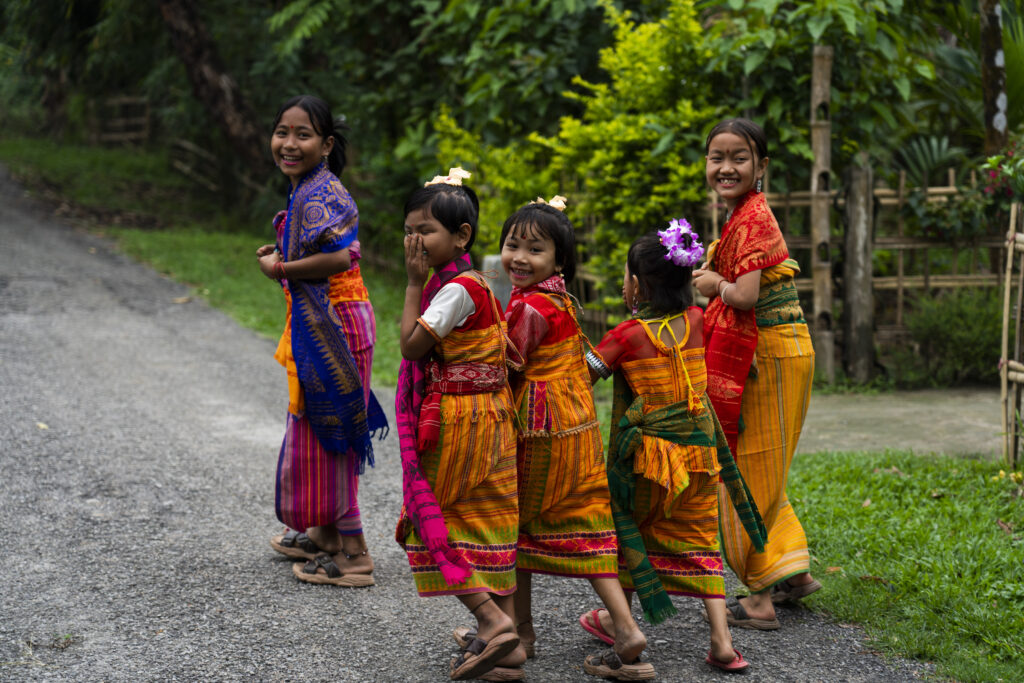
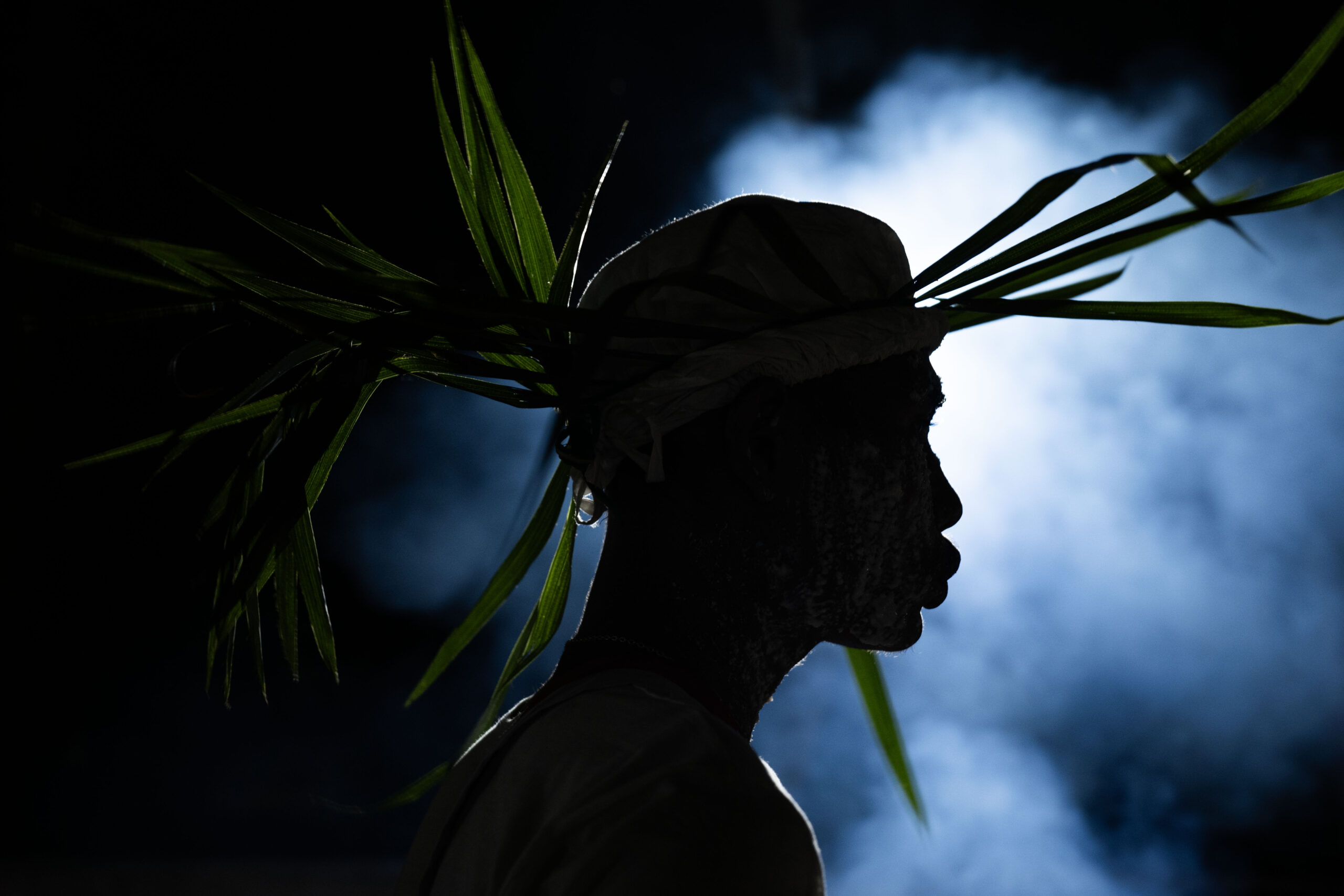
    Chandubi’s lake may be its centrepiece, but listen closer — it’s the forest that keeps the rhythm. When dusk falls over this quiet edge of Assam, the Rabha, Bodo, and Garo communities light their fires, tune their drums, and dance not for an audience — but for the land, the harvest, and the gods.

    In Chandubi, dance is not performance. It is permission — to feel, to celebrate, to belong.

    Dancing Between Earth and Sky

    Local festivals like the Bogai Festival (Rabha) and Domashi (Bodo) are less about grand stages and more about sacred clearings. Young men and women in handwoven attire gather barefoot on earth that has grown their food, faced their floods, and heard their stories.

    The Rabha dances often imitate animals, seasons, or everyday life — one step for planting, one sway for rain, and a beat for the sun. Bodo dance includes rhythmic hip movements and slow turns that mirror the circular logic of seasons.
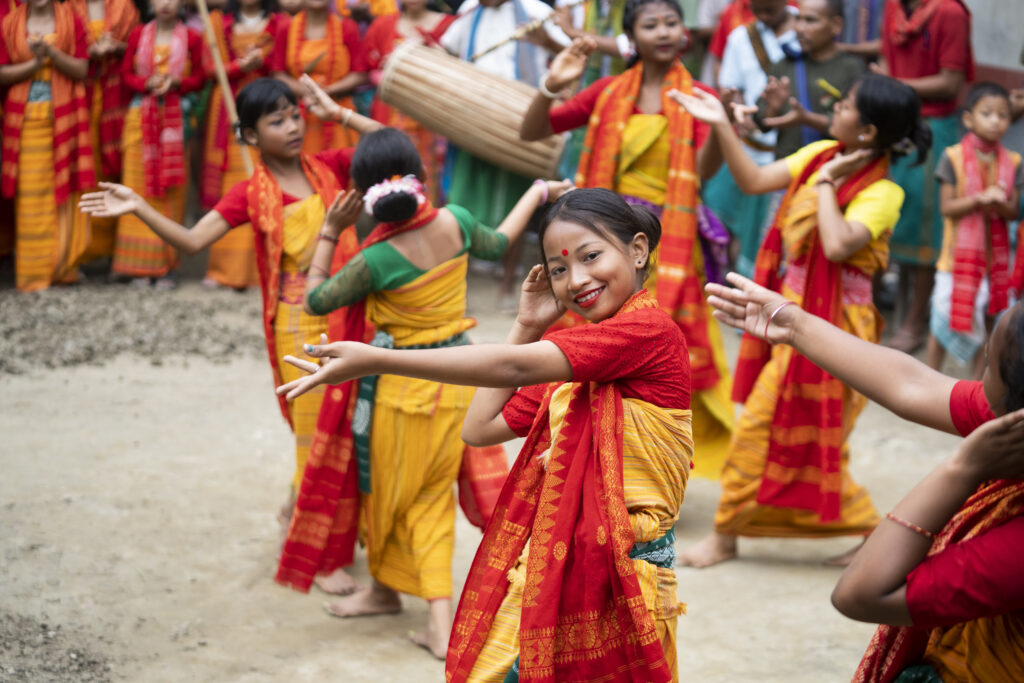
    We don’t practise,” says a local teacher, “we remember. Dance is how we remember who we are.”

    Instruments That Speak Without Words

    The forest lends its materials:

    • The Kham (drum) made from tree bark and animal hide.
    • The Siphung (bamboo flute) whose notes mimic the forest’s breath.
    • The Serja (a string instrument) that carries the emotional weight of a thousand monsoons.

    These are not polished orchestra tools — they’re forest tools. And their sound isn’t rehearsed — it’s remembered.

    Snippets from the Grove

    1. The Dance Begins with the Fire:
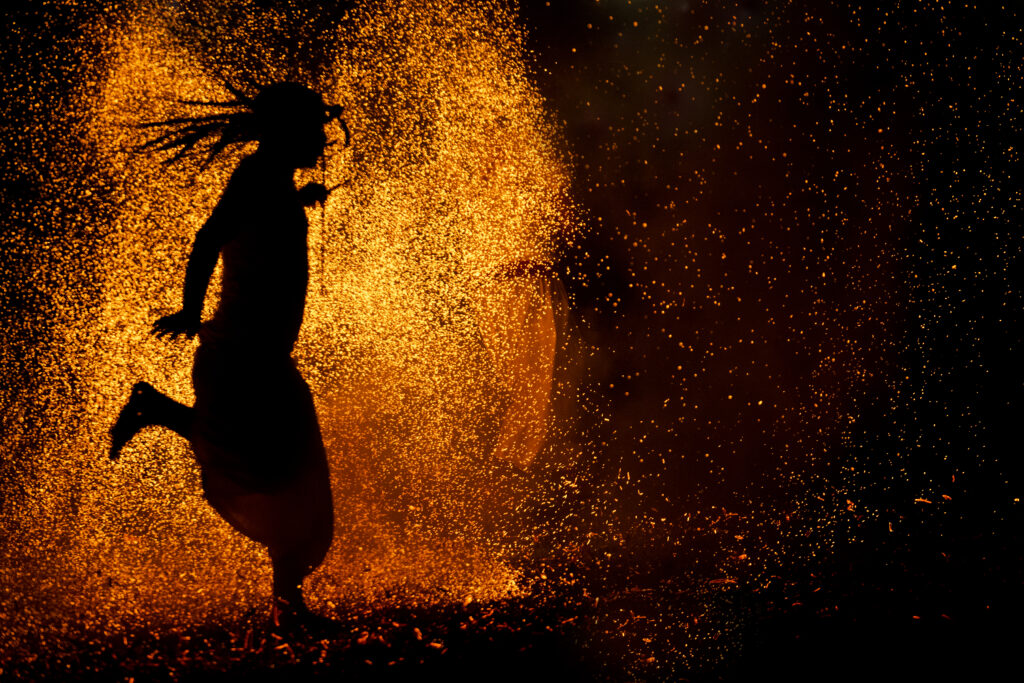
      At every gathering, a fire is lit first. Dancers move around it slowly, letting the rhythm build like rainfall. The fire is witness, not spotlight.
    2. Children Learn by Watching:
      There are no classes. Children sit with elders, copy moves, and inherit rhythm like they inherit soil.
    3. Dance to Heal:
      Some women believe a slow dance around the lake during full moon helps ease body pains and childbirth complications — “The lake knows,” they say.
    When Trees Dance Too

    During Domashi, a local tree known as Dighol Bon is decorated and danced around. It is not cut, never harmed — only honoured. The community believes that even trees have spirit rhythms, and when treated with music and respect, they offer better fruit and shade the next year.

    Know Before You Go

    • Festival timings: Check local calendars; Rabha and Bodo festivals often follow lunar schedules.
    • Stay options: Eco-huts and tribal homestays near the lake — some even include dance demonstrations and drumming sessions.
    • Cultural tip: Do not interrupt dancers for photos. Watch quietly, participate only if invited, and thank the drummer after.

    In Chandubi, dance is not escape — it is return. Every drumbeat echoes a harvest remembered, a storm survived, a story retold. To witness it is to realise: silence is not the opposite of music. It is its beginning.

    Some places speak through language — Chandubi speaks through rhythm.”

  • Flavours of the Forest at Chandubi

    Flavours of the Forest at Chandubi

    Chandubi is not where you go for restaurant reviews — it’s where the food finds you. In the rhythms of forest walks, in the slow smoke curling from a bamboo hut, and in the stories of grandmothers who never wrote a recipe but remember every taste. The food here doesn’t just nourish; it roots you.

    Most kitchens in the villages around Chandubi spill into courtyards. Cooking happens over firewood, beside banana leaves, with dogs dozing nearby and children peeling betel nuts. The menu? Wild greens foraged that morning, fresh fish from Chandubi lake, mustard-flavored everything, and rice — always rice.

    The Khasis, Garos, Rabhas, and Assamese people living around the area share overlapping culinary languages, yet each has its accents. From bamboo shoot-infused pork to the delicate sourness of the tenga (sour curry), the plate is a quiet rebellion against packaged taste.

    Specialties You Should Try

    • Bamboo Shoot with Fish/Pork:
      • Fermented bamboo shoot adds sharpness to a dish that simmers slowly.
    • Khar:
      • A traditional alkaline dish made with raw papaya, pulses, and banana stem ash — a signature Assamese touch.
    • Poita Bhat:
      • Fermented rice eaten cold, with mustard oil, onion, and chillies — a meal for the body, and memory.
    • Tenga Curry with Lake Fish:
      • Light and tangy, this is a bowl of Chandubi’s water, soul, and sunshine.

    A Morning at the Weekly Market

    The Chandubi weekly haat is a crash course in seasonal abundance. Wild mushrooms, red ants, silk cocoons, and sticky rice cakes share space with stories and gossip. This isn’t a place to bargain — it’s a place to learn. One elder said, “Food that grows here knows what we need before we do.”

    A Tea Break with Something More

    Near the lake, an elderly woman serves black tea in reused glass tumblers. She offers puffed rice and jaggery. “This is not snack,” she smiles. “This is memory.”

    Know Before You Go

    • Ask before clicking: Respect the kitchen space; many households are private and sacred.
    • Don’t expect menus: The best meals are what’s already cooking.
    • Carry reusable containers: You might get offered leftovers — that’s love in a bowl.

    Chandubi teaches us that food isn’t always plated; sometimes, it’s shared over laughter and silence. It’s smoke, spice, and generosity — passed not down but around.

    In some places, you eat to fill. In Chandubi, you eat to feel.”

  • The Quiet Lake Beneath the Hills

    The Quiet Lake Beneath the Hills

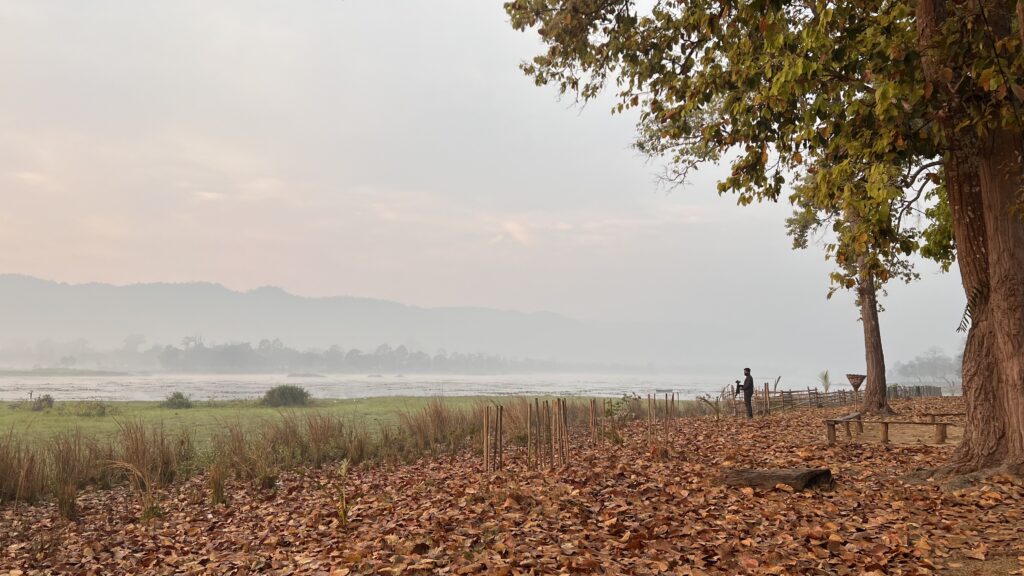
    Tucked at the foothills of Assam’s Garo hills, Chandubi Lake doesn’t announce itself with drama. It greets you with stillness. Bamboo groves sway, birds return without a fuss, and the lake reflects whatever the sky decides to be.

    There are no brochures waiting at the entrance. But if you listen closely — to the paddles, to the forest hush, to the fire crackling outside a villager’s home — Chandubi speaks.

    Waters That Remember

    Locals say the lake was born after the great earthquake of 1897 — when the earth cracked, and the forest filled with water. Since then, time here has been shaped by nature’s memory.

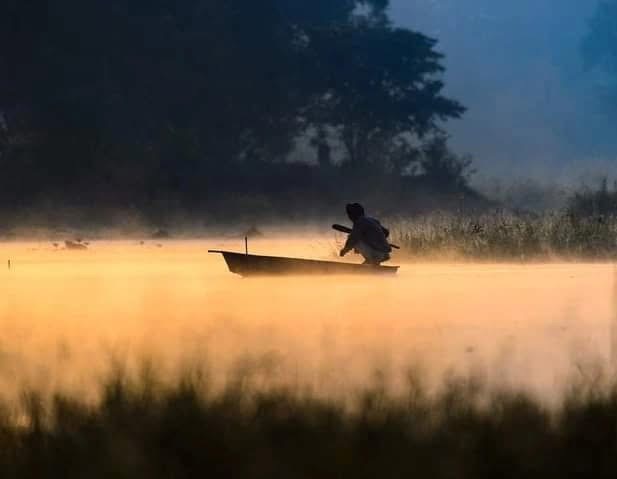
    Fishermen paddle silently, navigating the shallows with bamboo poles. Their boats are hand-carved, passed down through families. “You don’t force your way through this lake,” says Dijen, who’s been fishing here for 30 years. “You move with it.”

    A Place That Doesn’t Hurry”

    Footsteps in the Forest

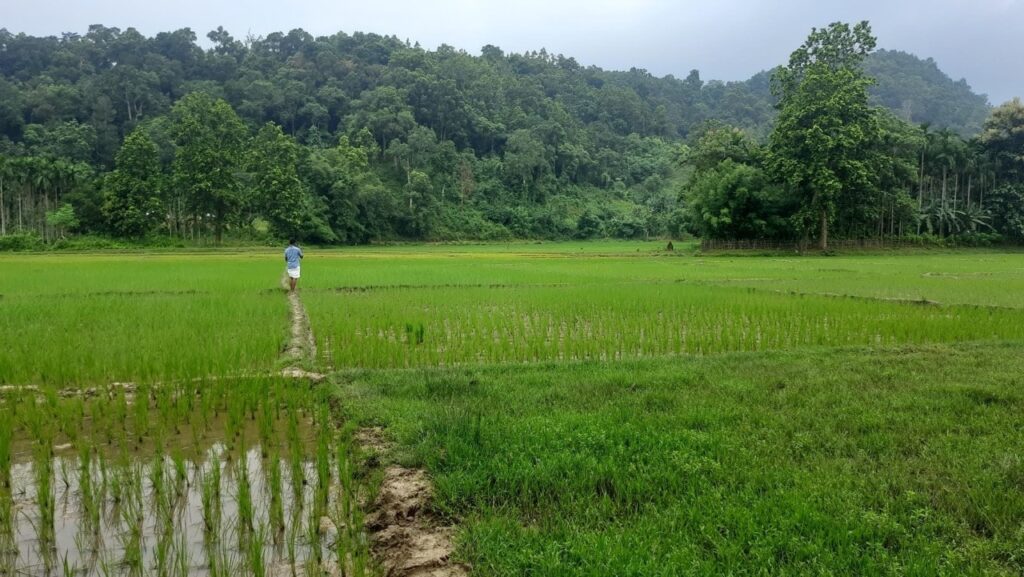
    A short walk through nearby tribal villages reveals everyday life — drying herbs tied to windows, handwoven baskets, children returning from school across leaf-strewn paths. No curated experiences. No lens flare.

    In the dense patches of forest that surround the lake, birdcalls become markers of time. Hornbills, drongos, and orioles all have their space. Nature doesn’t pose here — it carries on.

    Snippets from the Shore

    • The Evening Circle:
      • At sundown, villagers often sit in quiet groups by the water — not to discuss business, but to share warmth. Sometimes in words, sometimes in silence.
    • The Bamboo Rudder:
      • A fisherman guides his dugout canoe with one pole and a quiet hum. “The lake doesn’t rush,” he smiles. “So I don’t either.”
    • The Tea Stall Conversation:
      • A woman named Bina pours red tea and recounts how they celebrate Bihu by the lake, not with fireworks, but with community plays and shared cooking.

    The Garo Influence

    Though in Assam, the lake is closely linked with the Garo community. The border culture here means songs sung in Garo blend with Assamese rhythms. Traditional dances happen not on stage, but in open courtyards during local events. And food — smoked fish, wild greens, and fermented bamboo shoots — speaks of this mingling.

    Know Before You Go: Travel Tips for Chandubi

    • Getting there: Around 60 km from Guwahati. Accessible by road — best during daylight hours.
    • When to visit: October to March offers dry skies and the clearest reflections.
    • What to carry: Binoculars, light woolens, respect for nature — and time.
    • Stay options: Rustic eco-campsites and a few village stays offer meals, stories, and slow mornings.

    Chandubi won’t ask for your attention — it simply welcomes your presence. There’s no itinerary to chase here, only moments to notice: a leaf falling, a ripple growing, a stranger smiling.

    Some places you capture in photos. Chandubi is one you carry quietly, like a calm that lingers.”

  • Chandubi: Where Forests Whisper to Water

    Chandubi: Where Forests Whisper to Water

    Tucked at the foothills of the Garo-Khasi hills, Chandubi Lake is where Assam loosens its urban edges and settles into stillness. Formed after the 1897 earthquake, this natural lake is more than a scenic spot — it’s a living mosaic of forest, folklore, and indigenous life. Just 60 km from Guwahati, it’s a reminder that you don’t have to go far to step into a world that still listens to nature.

    A Lake with a Seismic Soul

    Chandubi was born of upheaval — created when the ground shook and a portion of land sunk to form this serene body of water. Today, the lake is a birdwatcher’s haven, its waters gently lapping against the edges of dense forest and small tribal settlements.

    It’s not commercial. It’s not curated. And that’s exactly the point.

    Meeting the Rabha Way of Life

    The villages around Chandubi are home to the Rabha tribe, known for their hospitality, bamboo architecture, and deep forest knowledge. Spend a day in a Rabha homestay and you’ll experience life stripped of pretense — morning meals of roasted yam and puffed rice, afternoons weaving or fishing, and evenings filled with quiet conversation and soft laughter.

    They don’t perform culture here — they live it.”

    Walks, Canoes & Conversations

    There’s not a checklist of things to do at Chandubi, and that’s what makes it beautiful. Walks through the forest trails reveal medicinal plants, butterflies, and calls of hornbills. Take a canoe ride across the lake as the sun dips into orange. Or simply sit by the water and let stories come to you — from elders, from silence, from wind.

    Experiences to Hold Close

    • Canoe rides at dawn, watching mist rise off the lake.
    • Cooking with a Rabha family, learning about wild foraging and seasonal eating.
    • Guided forest walks with indigenous hosts who speak the language of the land.
    • Birdwatching, especially during winter when migratory birds visit the lake.

    A Word of Respect

    Chandubi thrives on simplicity. Skip the plastics. Walk instead of rev. And ask before you click. This place is not a backdrop — it’s a home. Treat it with the gentleness it deserves.

    In Chandubi, the stillness speaks louder than the city ever could.”