
Jowai, the heart of the Pnar people in Meghalaya’s West Jaintia Hills, is known for its tranquil charm — but beneath the stillness, there are stories layered like the riverbed of Myntdu. The locals say the river listens. It hears everything: prayers whispered into the wind, songs sung from betel-stained lips, the language of forests carried by bamboo flutes.
This isn’t a place that explains itself. It invites you to stay long enough until the patterns reveal themselves.
Ancestral Altars and Everyday Life
Jowai isn’t frozen in the past — but its traditions breathe through daily life. In small courtyards, families light fires near monoliths for private rituals. Grandmothers recount legends of U Sajar Nangli while weaving cane baskets. There’s no ceremony to it. Culture is not performance here — it’s presence.
Local Voices, Local Ways
- The Weaver’s Wisdom:
In Raliang village, a weaver says, “Our threads don’t follow fashion. They follow stories. Every motif has a meaning — it speaks of rain, harvest, or loss.” - Betel Nut Trails:
All across Jowai, betel nut trees line paths and fields. They’re not just crops — they’re companions in rituals, offerings, and conversation. - The Rhythm of Rites:
Traditional drumbeats at Niamtre ceremonies don’t seek an audience. They seek the ancestors. Outsiders are welcome, but not entertained — a distinction that makes all the difference.
Interesting Insight: Myntdu is Sacred
The Water Keeps the Memory”
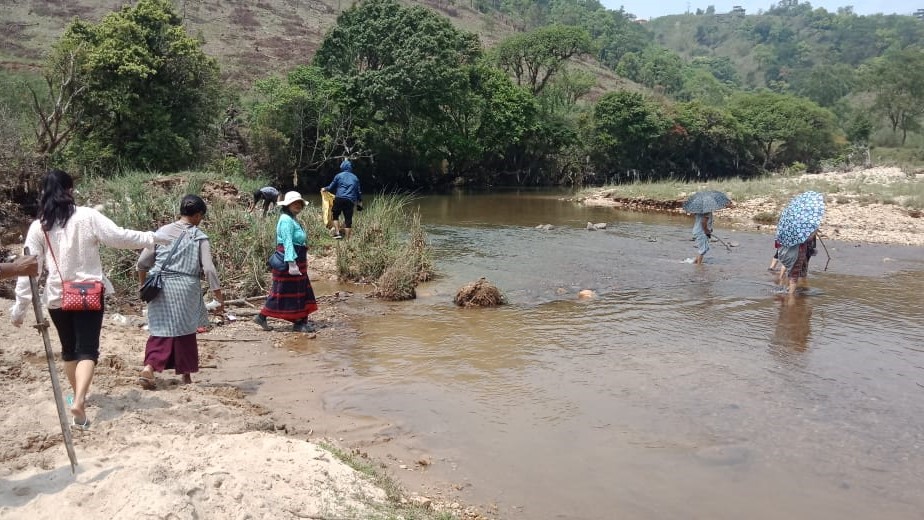
The Myntdu River is considered sacred by the Jaintia people. It is not just a water source — it is spoken to before rituals, crossed with care, and never disrespected. Some villages forbid washing clothes in it. The respect is not mandated — it’s inherited.
Know Before You Go: Travel Tips for Jowai
- Getting there: About 65 km from Shillong by road. The drive winds through pine forests and waterfalls.
- When to visit: Winter (Nov–Feb) for dry days, or monsoon (Jun–Sep) for misty magic and festivals.
- Must-see: Tyrshi Falls, Thadlaskein Lake, Jowai market (especially on market day), Nartiang Monoliths.
- Where to stay: Simple homestays around Jowai or nearby resorts toward Thadlaskein offer peaceful options.
Jowai doesn’t unfold like a destination. It deepens like a conversation. One you may not fully understand, but one you’ll feel echoing long after the drive back.
Not every journey shows you the world — some teach you how to listen to it.”