Tag: slow travel India

  • When the Earth Cracks, We Stay

    When the Earth Cracks, We Stay

    Majuli isn’t just the world’s largest river island. It’s also one of its most vanishing.

    Year after year, the Brahmaputra rises. Land disappears. Homes shift. Temples lean. And yet, the people of Majuli remain. Not because they have no choice — but because they choose to belong, again and again.

    This blog isn’t just about land lost. It’s about what refuses to be erased.


    It’s not about what to see in Majuli — it’s about how not to look away.

    “This is not just land. This is where our gods speak, where our crops pray, where our stories wake up each morning,” says an elder in Kamalabari.

    A Geography That Moves

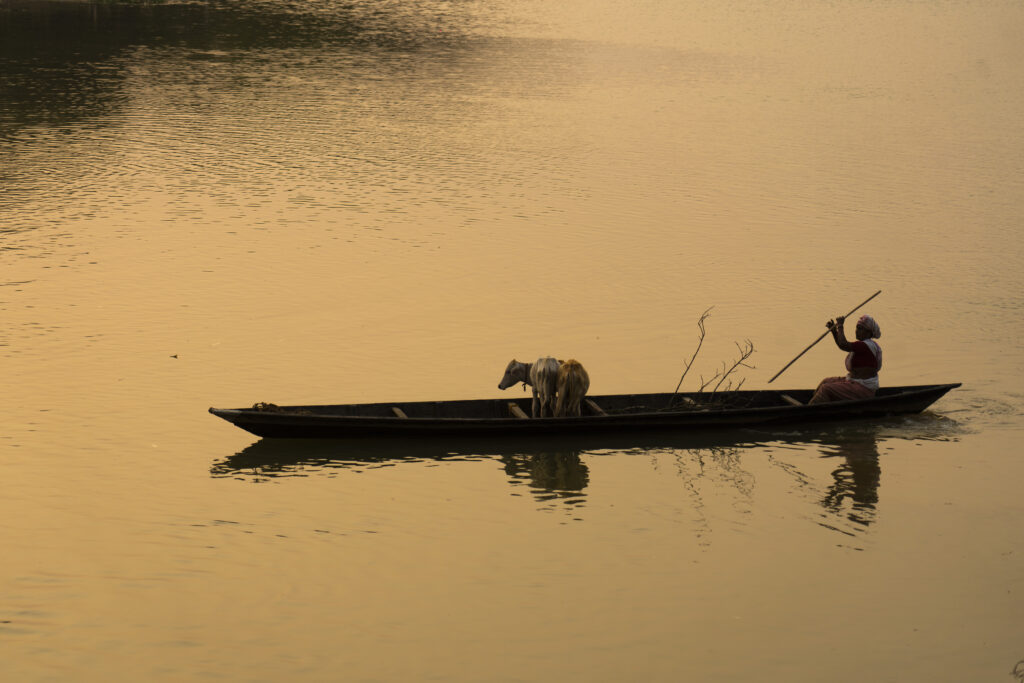
    Majuli was once over 1,200 square kilometers. Today, it’s less than 500. The Brahmaputra’s floods aren’t rare disasters here — they’re seasonal certainties. Each monsoon redraws the map. Villages shift. Roads vanish. People adapt.

    There are stories of homes being dismantled and reassembled overnight. Of prayer flags moved inland. Of bamboo bridges rebuilt by hand. Of mothers who store seeds in cloth bundles, ready to move with the next storm.

    “Majuli is a boat,” says an old boatman. “We don’t fix it to the shore. We learn to float.”

    Resilience as Routine

    The sattras — Majuli’s Neo-Vaishnavite monastic centers — have seen more than their share of erosion. But even when soil crumbles beneath prayer halls, the chants never stop. The Raas Mahotsav still lights the island in November, even if the stage shifts.

    This is not denial — it’s dignity. A choice to stay rooted, not because it’s easy, but because it’s essential.
    What Travelers Often Miss

    Most visitors arrive for the ferry ride, the monks of Auniati, the mask-makers of Samaguri, or the Raas festival. But they miss the real story: the one unfolding quietly along the riverbanks.

    They miss the lines redrawn with bamboo poles after every flood. The woman planting mustard on land that might be gone in two years. The youth group filling sandbags where roads once were.

    Majuli is not a postcard. It’s a practice in persistence.

    Land in Disappearance, Culture in Continuum

    More than one-third of Majuli has been swallowed by the river in a single century. And yet, the community continues: Boats are carved. Fields are sowed. Festivals are held. Songs are sung.

    Culture, here, isn’t fragile. It’s the anchor.

    In a world that tells people to move for convenience, Majuli stays for belonging. And that continuity — of culture, care, and community — needs to be seen, heard, and supported.

    Where You Step, Matters

    You can’t stop erosion. But your steps can slow the damage.

    As a traveller, you can:

    • Choose homestays that recycle water and avoid fragile shorelines.
    • Say no to plastic — every discarded wrapper hastens loss.
    • Don’t just post, participate — join tree-planting, fishing days, or mask-making.
    • Ask before you act — the land is sacred and layered with meaning.
    • Support local artisans — your purchase may help someone stay instead of migrate.
    • Travel off-season — to spread income beyond festival peaks.

    Even more than help, what Majuli needs is your attention — unfiltered, unhurried, and real.

    The Prayer That Floats

    During Raas Purnima, the island glows with small leaf-boats floating on the river — each carrying a lamp and a prayer. A local schoolteacher said, “We send light not to stop the river, but to remind it — we’re still here.”

    Beyond Hashtags — How You Help

    Majuli doesn’t need pity or saviours. It needs witnesses who act.

    Responsible tourism isn’t about guilt — it’s about gratitude. For being let in. For being trusted. For being given stories to carry home.

    Every time you refill instead of buying plastic, skip a hotel for a home, or share the story behind the smile — you do more than travel. You protect.

    Small choices, made repeatedly, create change that doesn’t shout — but stays.

    Know Before You Go

    • Best time: October to March, but off-season visits are more impactful.
    • Stay: Eco-conscious homestays in Garamur, Samaguri, or Auniati.
    • Ask locals: Let them show you erosion sites, not just tourist spots.
    • Be gentle: Avoid drones, plastics, and disrespectful questions.
    • Listen more: This is a place where silence often says more.
    Majuli may disappear on maps someday.
    But its soul — shaped by storms, prayers, and quiet choices — must not.

    When the earth cracks, they stay.
    Not to make a statement — but to make a home, again and again.

    The question is: when we travel, will we choose to care? Because care is where change begins.

    You don’t need to be many to make a difference. You just need to not look away.”

  • Jowai: Where Hills Echo with Harmony

    Jowai: Where Hills Echo with Harmony

    Nestled in the heart of the West Jaintia Hills, Jowai doesn’t scream for attention — it hums. Unlike its more tourist-trodden cousin Shillong, Jowai quietly cradles Jaintia culture, sacred lakes, limestone cliffs, and folk wisdom passed down through centuries. For those willing to slow down, Jowai offers a gentler, deeper experience of Meghalaya.

    The Spirit of the Jaintia Hills

    The Jaintia people carry a profound relationship with land, forest, and folklore. One can feel it at Syntu Ksiar, a riverside haven named the “Golden Flower.” Locals gather here for reflection, community events, and even political uprisings in the past. It’s not just scenic — it’s symbolic.

    Just outside town, the Thadlaskein Lake, steeped in legend and ritual, offers a view into the past where nature and faith intertwined effortlessly.”

    Music, Memory & Matriarchy

    Music isn’t performed here — it’s lived. The Tangmuri, a traditional wind instrument, often accompanies local ceremonies. Like the Khasis, the Jaintias follow matrilineal lineage, but their customs, dialect, and oral storytelling bring a unique rhythm to life.

    Walk through Jowai’s weekly market — not as a buyer, but as a listener. Every vegetable, herb, and fabric has a story.

    Beyond the Usual: What to Explore

    • Thadlaskein Lake: Believed to have been dug by a rebellious general, it still serves as a ritual site.
    • Durga Temple at Nartiang: One of the oldest in Meghalaya, where Hinduism meets tribal reverence.
    • Ialong Park: More than a viewpoint — it’s a sacred grove breathing centuries of eco-wisdom.
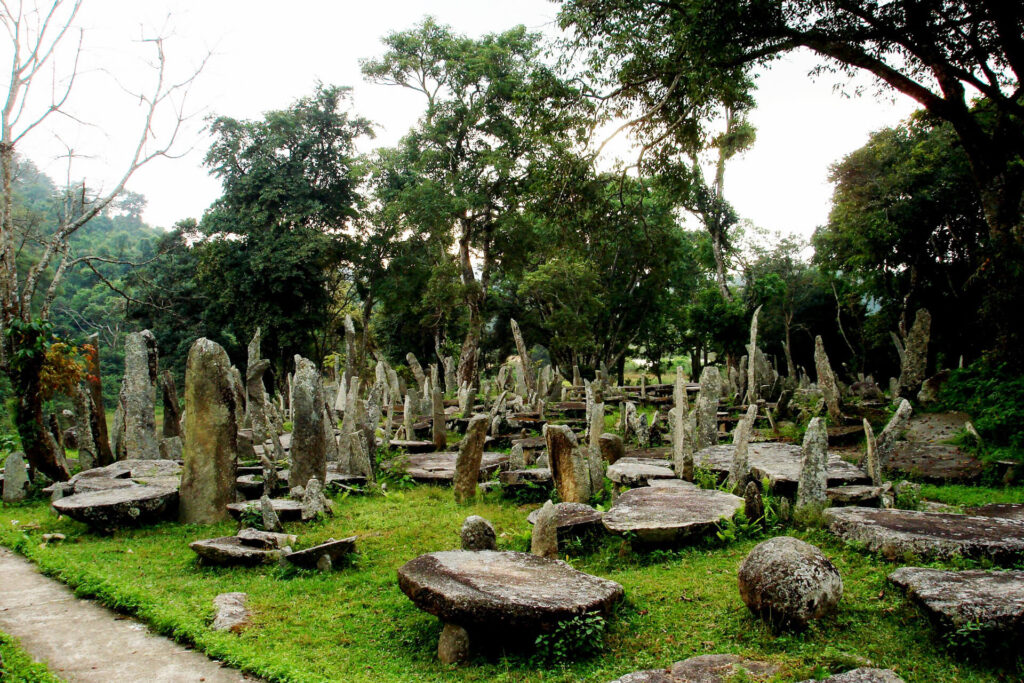
    • Stone Monoliths of Nartiang: Ancient stones standing tall, each a tale of power, pride, and protection.

    Living the Slow Life in Jowai

    To visit Jowai is to move at the pace of conversation and mist. Try fermented Jadoh, talk to weavers working with organic cotton, attend a village gathering, or simply sit by Myntdu River as it reflects the sky’s moods.

    When You Visit

    Respect silence. Let stories come to you. Some of the most powerful moments will be shared over a cup of kwai (betel nut) — if you’re invited, that’s a gesture of belonging.

    Some towns don’t raise their voice — they raise your understanding.”

  • Menchuka: Where Mountains Whisper and Monasteries Listen

    Menchuka: Where Mountains Whisper and Monasteries Listen

    Cradled in a remote corner of Arunachal Pradesh, Menchuka is not just a place on the map — it’s an experience that holds stillness like a secret. With snow-capped peaks brushing the horizon and the Siyom River cutting a gentle rhythm through the valley, Menchuka invites travelers not to rush, but to listen.

    A Valley Wrapped in Time

    Menchuka, often described as the “Forbidden Valley,” was once accessible only by foot or air. Even today, the long road journey here feels more like a pilgrimage than a trip. Along the winding drive, landscapes unfold from alpine forests to windswept grasslands, resembling a Himalayan dream untouched by tourist noise.

    This seclusion isn’t just geographical — it’s cultural. The Memba people who inhabit Menchuka follow Tibetan Buddhism, and their lives are still deeply rooted in traditional ways. You’ll find prayer flags fluttering over wooden homes, yaks grazing near age-old gompas, and locals who greet you with quiet warmth.

    Of Monasteries and Memory

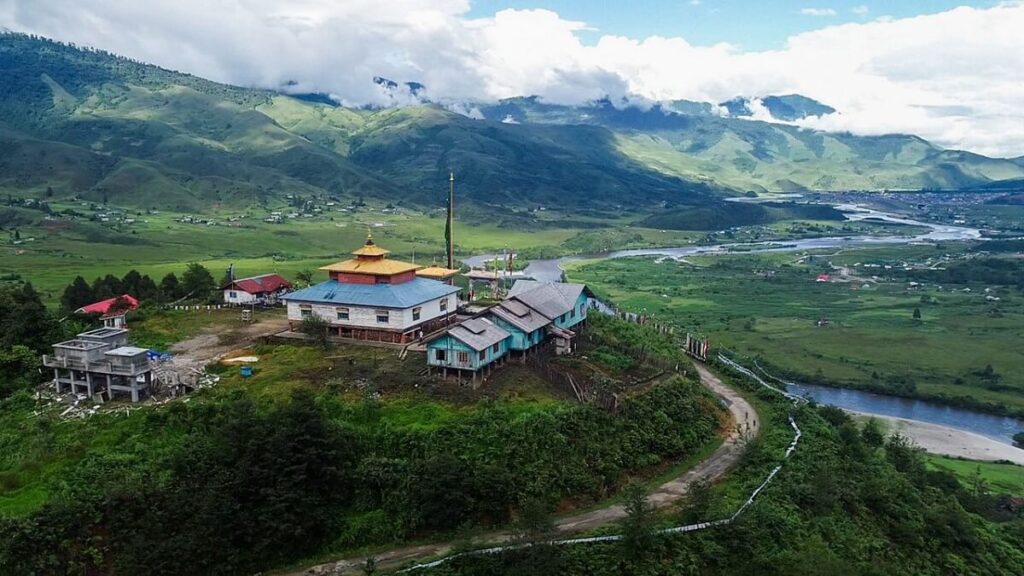
    The 400-year-old Samten Yongcha Monastery — older than Tawang Monastery — is Menchuka’s spiritual heart. Perched on a hill, it’s not just a structure, but a keeper of stories and silences. The chants here echo through the valley, reminding you that some places are meant to be felt, not photographed.

    There’s also the newer Guru Nanak Taposthan, marking the site where Guru Nanak is believed to have meditated. It’s a powerful symbol of Menchuka’s lesser-known interfaith legacy, where Buddhism, Sikhism, and animistic beliefs have coexisted without tension.

    Flavours of Simplicity

    Menchuka’s food isn’t elaborate — it’s comforting and honest. Think of warm thukpa made from local grains, yak meat slow-cooked with Himalayan herbs, and momo platters shared over conversations that need no translation. Many guesthouses serve home-style meals that nourish you after a long walk or a riverside amble.

    Experiences to Embrace

    • Walk through the wooden villages of Dorjeeling and Singbir, where each house tells of resilience in cold winters and long traditions.
    • Join a local during Losar, the Tibetan New Year, if your visit aligns — it’s a festival of community, colour, and prayer.
    • Stargaze without light pollution — the valley’s remoteness offers skies freckled with stars that city eyes have forgotten.

    Travel Gently

    While Menchuka is welcoming, it’s fragile. The ecology is pristine, and the culture, though resilient, is sensitive to change. Bring mindfulness. Pack light, respect homestay rules, and remember that your presence leaves footprints — visible and invisible.

    Not all silence is empty — some places echo with stories too old for words.”