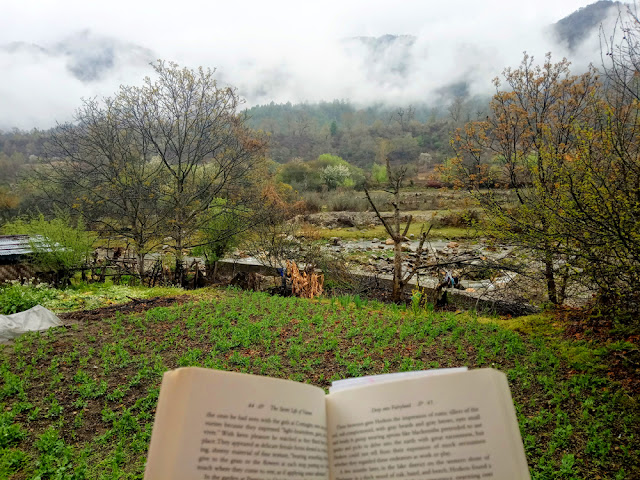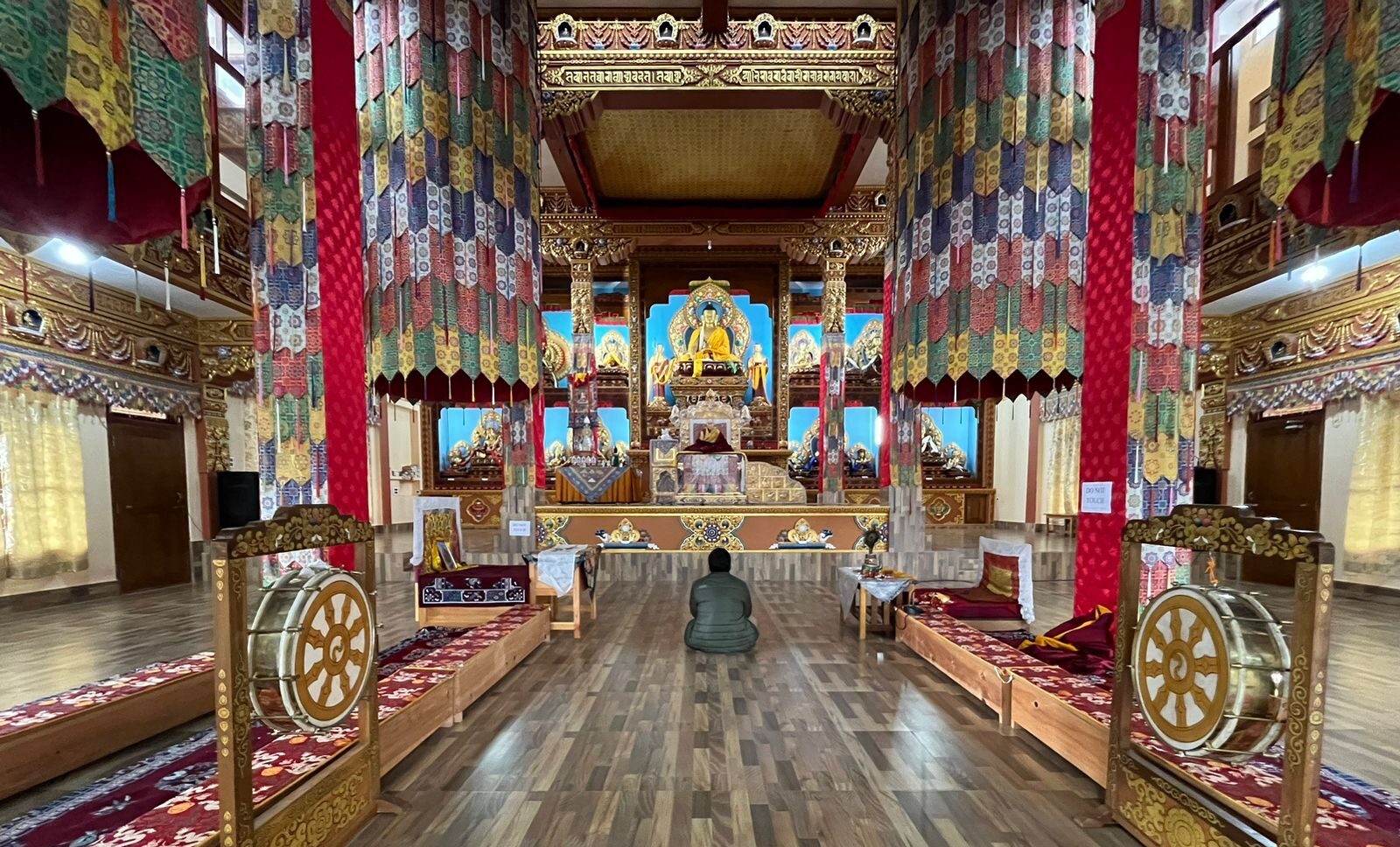
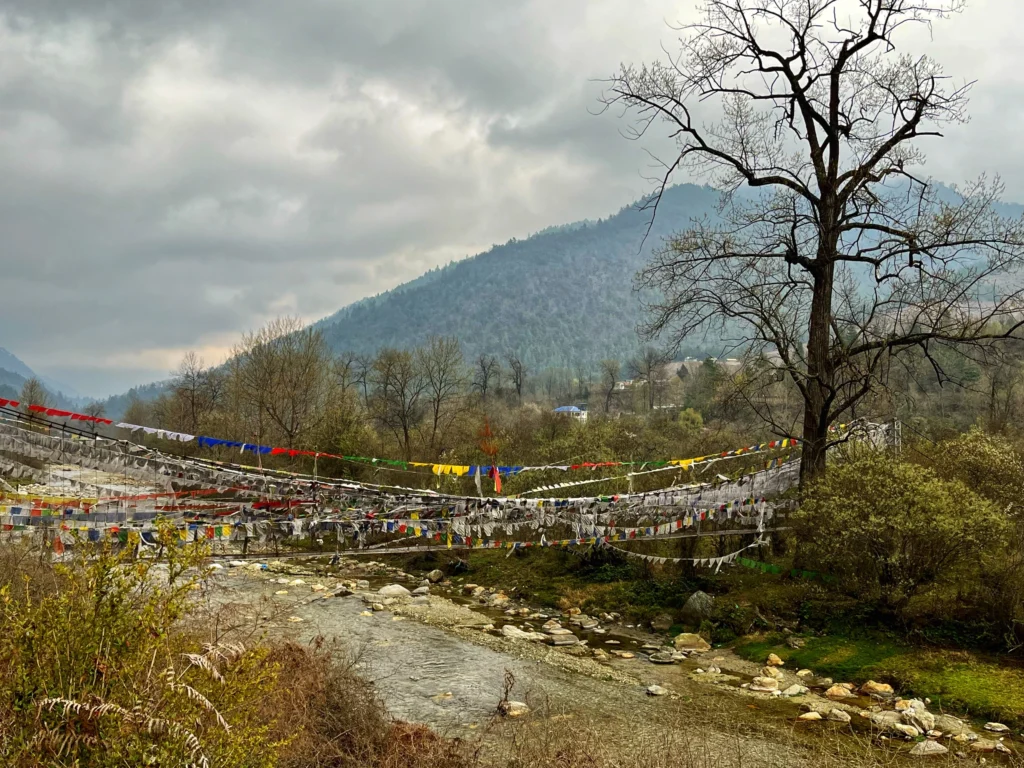
Tucked away in the West Kameng district, Shergaon is a quiet village of apple orchards, gushing brooks, and Buddhist flags fluttering like whispered prayers. But beneath its serene surface lives a current of stories — legends that don’t beg to be believed, but simply ask to be remembered.
Here, the mountains do not echo; they listen. And if you’re quiet enough, you might hear of the monk who once walked the sky.
The Skywalker of Shergaon
Local lore tells of a revered 14th-century monk — a practitioner of high Tantric rituals — who sought refuge in the Sherdukpen valleys. It is said he arrived during a storm and walked across the air between two cliffs to reach the present-day Gonpa, with only a prayer flag and a butter lamp.
The cliff, now called Zeng-Nyi, is considered sacred. Locals still avoid pointing fingers directly at it — a sign of humility before the sacred.
“He didn’t perform magic,” says Dorjee La, a local farmer. “He just trusted the wind more than the ground.”
Sacred Landscapes and Spirit Stones
- Shergaon’s topography isn’t just mapped by rivers and ridges — it’s charted through stories.
- Dhomshung: A dense patch of forest where it’s said guardian spirits roam at twilight. No one harvests here. Children are told to whisper while passing.
- Sangtha Rock: A large stone near the monastery, believed to be the seat of a mountain deity. Offerings of rice and butter are still made here during lunar festivals.
- The Three Trees of Reconciliation: Near the old settlement, three pine trees stand together, planted by warring clans after a historic truce. Elders often lead village children there to learn of their ancestry.
Snippets from the Valley
- Oral Epics by the Hearth:
Winter evenings are often spent around the fire, where grandparents narrate tales of sky trails, flying monks, and spirits who steal names — unless you feed them rice beer. - Thread Rituals:
During village festivals, red and white threads are tied across doorways and trees. According to legend, this prevents wayward spirits from entering homes. - Whispered Greetings:
In Shergaon, when you pass an old tree or stone cairn, some locals mutter a quick greeting under their breath. “Even rocks remember,” one old woman says.
The Gonpa That Faces Both Ways
Shergaon’s main monastery, unlike many others, is built with dual facades — one facing the village, and one facing the forest. Monks say it honours both worlds: the one we live in, and the one we must never forget. The legend of the skywalking monk is still commemorated with candlelight rituals on the full moon night of the harvest season.
Know Before You Go
- How to reach: Drive from Bomdila or Rupa; Shergaon lies about 18 km off the main road
- Stay: Simple lodges or homestays with Sherdukpen families; try to attend a local prayer ceremony if invited
- Etiquette tips:
- Never climb sacred stones or monuments
- Avoid whistling near forests — considered a call to spirits
- Don’t point at cliffs or shrines with fingers
Shergaon doesn’t need its stories to be proven — it only needs them to be passed on. In the hush of its pines and the kindness of its people, legends linger not to entertain, but to remind. Of reverence. Of roots. Of skywalks that perhaps weren’t impossible — just unrecorded.
Some stories are not told to be believed — they’re told to remind us how to believe.”