Tag: Monpa culture

  • Healing in the Highlands

    Healing in the Highlands

    A Landscape of Layers”

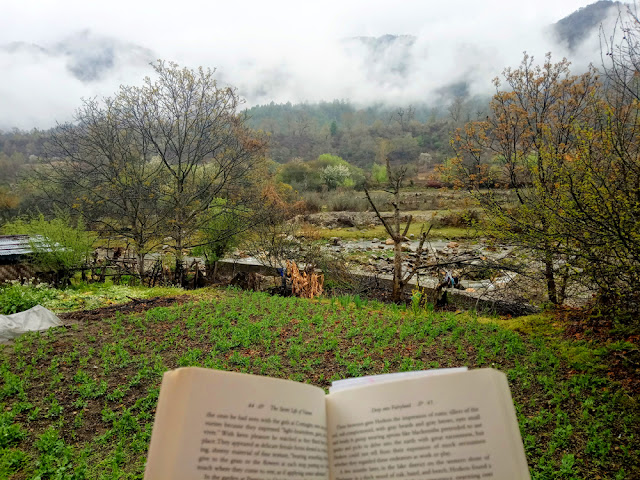
    Zemithang isn’t a place that announces itself. It unfurls — with cedar-scented winds, quiet prayer wheels, and the hush of mountains that keep their own counsel. Near the borderlands of Arunachal Pradesh and Bhutan, this Monpa village holds both isolation and invitation in equal measure.

    The roads may narrow as you ascend, but your perspective only widens.

    Where Wisdom Grows Wild

    In a shaded clearing beyond the cluster of houses, an elderly Monpa woman tends to a garden. Not of vegetables, but of remedies — wild mint for headaches, rhododendron bark for inflammation, and nettle roots for digestive woes.

    “Everything you need, the forest already knows,” she says gently, more as a passing thought than a lecture.
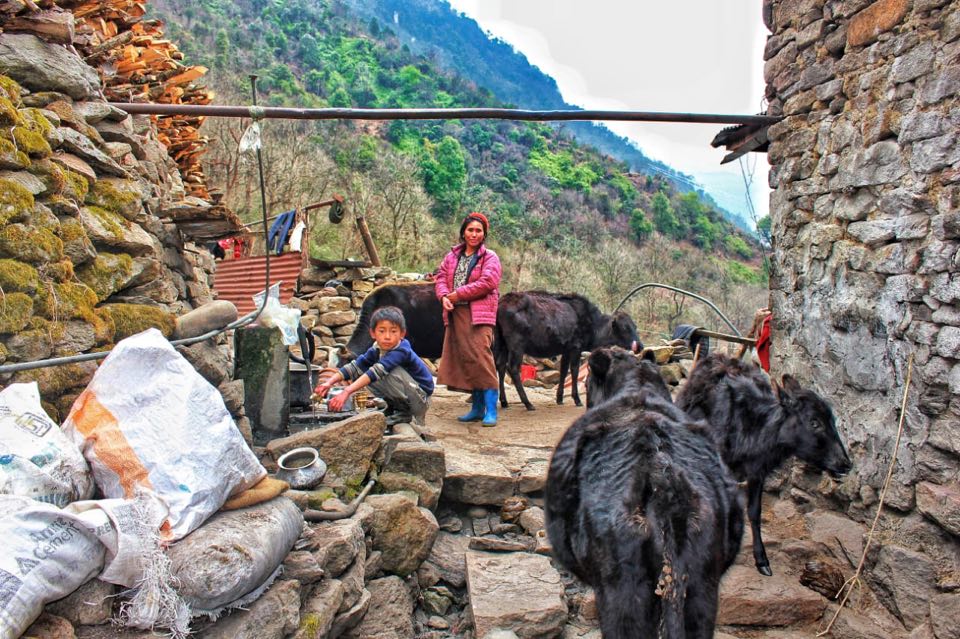
    You won’t find a pharmacy here. You’ll find a relationship — between people and place, where plants are not products but kin. Knowledge isn’t archived in books. It’s grown, gathered, and remembered.

    Between Borders, Beneath Belief

    The Gorsam Chorten — a serene, white-domed structure — watches over the valley like an old monk at rest. Locals say it mirrors the Boudhanath of Nepal. Pilgrims walk around it quietly, spinning prayer wheels not for spectacle, but out of habit, faith, and rhythm.

    There are few tourists here, fewer distractions. Just wind, flags, and footsteps. The border with Bhutan is close, but invisible. What’s more visible is harmony — of Buddhism, of animism, of generations walking the same slow paths.

    Snippets from Zemithang

    • The Courtyard Conversations:
      Women sit weaving yak wool by hand, talking about clouds as if they were gossiping about neighbors.
    • The School Without Bells:
      Children gather under a pine tree with a teacher who uses pebbles and parables in equal measure.
    • The Bridge Across Time:
      A rickety wooden bridge leads to a hamlet untouched by mobile signals — but rich in stories passed nightly by firelight.

    Know Before You Go: Travel Notes for Zemithang

    • How to reach: Take a private vehicle or shared sumo from Tawang town, passing through Lumla. The road is bumpy but worth every turn.
    • Stay: Family-run homestays offer traditional meals, wool blankets, and lots of quiet.
    • When to go: March to May or September to November — for flowers, festivals, and visibility.
    • Respect the place: Photography is welcome, but always ask. Some corners of life here are meant to be experienced, not archived.

    Zemithang is not on many maps — not emotionally, at least. But to walk here is to witness a way of life where healing is slow, silence is wise, and faith is not worn — it’s lived.

    Some places teach you to listen. Zemithang teaches you to listen without asking for answers.”

  • Where Prayer and Pines Meet

    Where Prayer and Pines Meet

    A Hamlet in No Hurry”

    Tucked deep within West Kameng district of Arunachal Pradesh, Shergaon is not a detour — it is the road less taken. As you drive through pine-lined curves and prayer flags fluttering like whispers, the world you left behind begins to mute itself.

    The Monpa village of Shergaon lives at its own pace. Morning smoke curls from wooden chimneys. Monks walk barefoot to the temple. The rhythm here isn’t slow — it’s steady.

    More Than a Monastery

    Most travellers arrive looking for the Shergaon Gompa — a Buddhist monastery tucked against pine-covered slopes. But what stays with you isn’t just the stupa or the prayer wheels. It’s the warmth of the head monk who speaks in metaphors. The child who offers you a cherry from his pocket. The woman who lights a butter lamp — not for blessings, but for balance.

    You’ll see villagers praying, yes. But more often, they’re planting, cooking, fixing — living their beliefs through acts, not announcements.

    Fields of Red and Wisdom

    Shergaon’s fields glow red in autumn, not from flowers, but from red amaranth, grown beside buckwheat and maize. The Monpas practice traditional permaculture — rotating crops, resting soil, and using herbs not just for taste, but for temperament.

    “We grow what grows with us,” says a farmer and part-time teacher.

    Farming isn’t a job here — it’s participation. Even elders take their walking sticks to the orchard.

    Snippets from Shergaon

    • The Herbalist’s Basket:
      Tsering Dolma collects 8 herbs every full moon — a mix of roots, flowers, and stems. “One for strength, one for peace,” she smiles. No written chart. Only memory.
    • The Wind Chimes Are Real:
      Not decorative ones — but actual bells tied to prayer flags and fruit trees. When the wind blows, it carries more than sound — it carries a wish.
    • Pine Fire and Pickles:
      In every kitchen: pinewood fire, yak milk tea, and fermented bamboo shoot pickle. The taste is sharp, but the memory lasts longer than the burn.

    Know Before You Go

    • Getting There: Best accessed via Bomdila or Dirang; shared vehicles from Guwahati and Tezpur (Assam) operate during daylight hours.
    • Stay Options: Homestays with Monpa families offer both wooden floors and floor-sitting warmth.
    • Ideal Season: October to March — for clear skies and cultural ceremonies.
    • Responsible Travel Tip: Don’t pick herbs or wildflowers unless guided by a local. Nature isn’t display — it’s livelihood.

    Some places don’t change you. They remind you of what you never lost.”