Tag: Gorsam Chorten

  • Healing in the Highlands

    Healing in the Highlands

    A Landscape of Layers”

    Zemithang isn’t a place that announces itself. It unfurls — with cedar-scented winds, quiet prayer wheels, and the hush of mountains that keep their own counsel. Near the borderlands of Arunachal Pradesh and Bhutan, this Monpa village holds both isolation and invitation in equal measure.

    The roads may narrow as you ascend, but your perspective only widens.

    Where Wisdom Grows Wild

    In a shaded clearing beyond the cluster of houses, an elderly Monpa woman tends to a garden. Not of vegetables, but of remedies — wild mint for headaches, rhododendron bark for inflammation, and nettle roots for digestive woes.

    “Everything you need, the forest already knows,” she says gently, more as a passing thought than a lecture.
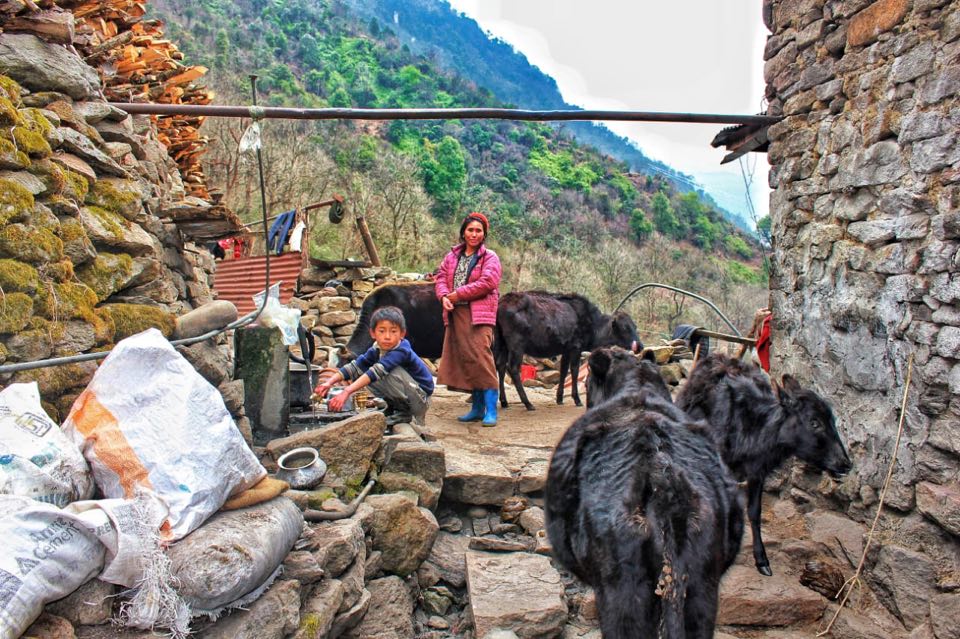
    You won’t find a pharmacy here. You’ll find a relationship — between people and place, where plants are not products but kin. Knowledge isn’t archived in books. It’s grown, gathered, and remembered.

    Between Borders, Beneath Belief

    The Gorsam Chorten — a serene, white-domed structure — watches over the valley like an old monk at rest. Locals say it mirrors the Boudhanath of Nepal. Pilgrims walk around it quietly, spinning prayer wheels not for spectacle, but out of habit, faith, and rhythm.

    There are few tourists here, fewer distractions. Just wind, flags, and footsteps. The border with Bhutan is close, but invisible. What’s more visible is harmony — of Buddhism, of animism, of generations walking the same slow paths.

    Snippets from Zemithang

    • The Courtyard Conversations:
      Women sit weaving yak wool by hand, talking about clouds as if they were gossiping about neighbors.
    • The School Without Bells:
      Children gather under a pine tree with a teacher who uses pebbles and parables in equal measure.
    • The Bridge Across Time:
      A rickety wooden bridge leads to a hamlet untouched by mobile signals — but rich in stories passed nightly by firelight.

    Know Before You Go: Travel Notes for Zemithang

    • How to reach: Take a private vehicle or shared sumo from Tawang town, passing through Lumla. The road is bumpy but worth every turn.
    • Stay: Family-run homestays offer traditional meals, wool blankets, and lots of quiet.
    • When to go: March to May or September to November — for flowers, festivals, and visibility.
    • Respect the place: Photography is welcome, but always ask. Some corners of life here are meant to be experienced, not archived.

    Zemithang is not on many maps — not emotionally, at least. But to walk here is to witness a way of life where healing is slow, silence is wise, and faith is not worn — it’s lived.

    Some places teach you to listen. Zemithang teaches you to listen without asking for answers.”

  • Zemithang: At the Edge of India, Wrapped in Prayer Flags

    Zemithang: At the Edge of India, Wrapped in Prayer Flags

    Zemithang lies at the final edge of India’s northeastern frontier, brushing shoulders with Bhutan and Tibet. But it’s not just its remote geography that makes it special — it’s the sacred stillness that defines every inch of this valley. Nestled at 7,000 feet in the Tawang district of Arunachal Pradesh, Zemithang is home to the Monpa tribe, revered Buddhist sites, and breathtaking mountain silence.

    This is where the mighty Nyamjang Chu River flows like a silken thread from Tibet, where each stupa carries centuries of whispered prayers, and where spirituality is a lived reality — not a show for tourists.

    Where Borders Fade and Beliefs Deepen

    Zemithang isn’t on many maps. Perhaps that’s its charm. The road to reach here from Tawang is long, winding, and not always paved — but the journey prepares you for the kind of peace this village holds. There are no big homestays, no cafés with “mountain views” — only families who open their doors and monasteries that open your heart.

    This is a place where people don’t raise their voices, and the winds don’t disturb your thoughts. You’ll find your pace slowing, your senses awakening, your shoulders dropping.

    The Gorsam Chorten: A Tibetan Echo in India

    One of Zemithang’s most powerful landmarks is the Gorsam Chorten, said to be the largest stupa in Arunachal Pradesh. Built in the 13th century, its design mirrors the famous Boudhanath Stupa of Nepal. Circumambulating this chorten with the locals — prayer wheels spinning gently, the scent of incense lingering — is more than a ritual; it’s a moment of deep grounding.

    In spring, the Gorsam Kora Festival brings together devotees from across Arunachal, Bhutan, and Tibet, turning this quiet village into a vibrant congregation of faith and tradition.”

    The Monpa Way of Life

    The Monpa community is known for its warmth, craftsmanship, and deep Buddhist roots. Their homes are made of timber and stone, their daily rituals infused with gratitude, and their prayer flags fluttering from rooftops like personal blessings to the sky.

    Visitors are often invited to taste putang (local millet beer), learn a few Tibetan chants, or simply share a hearth and stories under woolen blankets.

    Experiences that Stay with You

    • Walk the riverside paths where yaks graze and clouds descend like breath.
    • Explore the lesser-known monasteries with murals that date back centuries.
    • Witness Gorsam Kora — not as a tourist, but as an invited observer of devotion.
    • Spend time with Monpa elders, listening to oral histories of borders, gods, and gratitude.

    A Note for the Traveler

    Zemithang is a gift. But it’s fragile — culturally, environmentally, emotionally. Do not come here with loud cameras or louder demands. Come if you’re ready to blend into its rhythms, however briefly. Stay small. Stay curious.

    Sometimes, the farthest places bring you closest to yourself.”