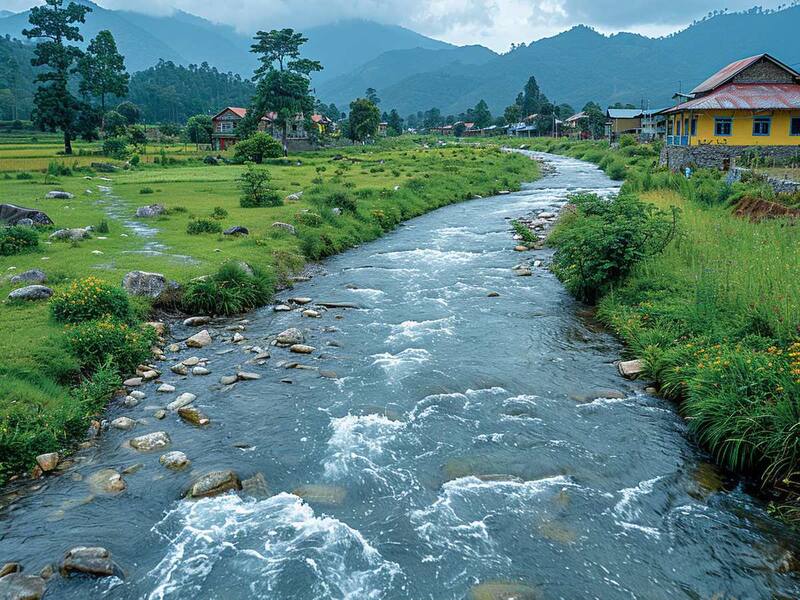
Tucked amidst pine ridges and misty fields, Ziro in Arunachal Pradesh is not just scenic — it’s deeply lived in. The valley isn’t curated for visitors; it’s cultivated for its people. The Apatani community, who have been shaping this land for generations, follow a way of life rooted in sustainability, subtlety, and strength.
Here, farming isn’t just labor — it’s knowledge. Walk past a Ziro paddy field and you’ll see fish swimming between rice stems — an ingenious paddy-cum-fish cultivation system that maintains soil fertility and food security without synthetic inputs. Not a technique invented in labs — but a practice born of patience and observation.
A Landscape that Grows with Its People”
The Apatani Way: Tied to Earth, Time and Memory
Every home in Ziro feels like it belongs to the land. Made of pinewood and set on stilts, Apatani houses are often built by the family itself. Look closer at the woodwork, and you’ll find motifs — suns, birds, hornbills, spirals — symbols passed down generations. These aren’t decorative; they’re communicative, echoing stories of nature, protection, and identity.
The older generation of women, with facial tattoos and cane nose plugs, carry a history both personal and political — a symbol of resilience from a time when cultural identity meant survival. Today, fewer youth continue this tradition, but the pride remains intact, alive in their festivals, songs, and daily rituals.
Ziro’s Natural Quiet Isn’t Empty — It’s Full
There’s something rare about Ziro’s silence. Not the absence of sound, but the absence of noise. You’ll hear footsteps on dry leaves, the whoosh of a bamboo swing, the echo of wood being chopped, the low hum of conversations between neighbours.
Birdsong is a big part of this landscape. Ziro is part of the Important Bird Area network — a haven for birds like the rare Blyth’s Tragopan. But bird-watching here doesn’t feel like a tour — it feels like being let in on a quiet secret.
Community First: Shared Work, Shared Joy
In Ziro, most activities — from repairing roofs to planting fields — are collective. It’s not just about efficiency; it’s about spirit. During Murung, the major festival, villagers gather to bless harvests and honour ancestors. The celebrations are marked by ceremonial mithun sacrifices, songs that recount lineage, and feasts where every visitor is welcome — not just as a guest, but as someone to share with.
Evenings here aren’t for nightlife. They’re for long walks, over meals cooked in bamboo tubes, and for watching fireflies settle into the forests.
Travel Tip: Be Curious, Not Just Present
- Getting there: Ziro is accessible by road via Naharlagun (nearest railhead) or Lilabari (nearest airport). Expect long, winding roads — and incredible views.
- Best time to visit: March to May (for spring beauty), or September for the Ziro Music Festival.
- Stay options: Opt for homestays that offer cultural immersion over luxury. Hosts are usually happy to share stories, food, and time — if you ask with interest.
- What to bring: Walking shoes, rain protection, and an open mind.
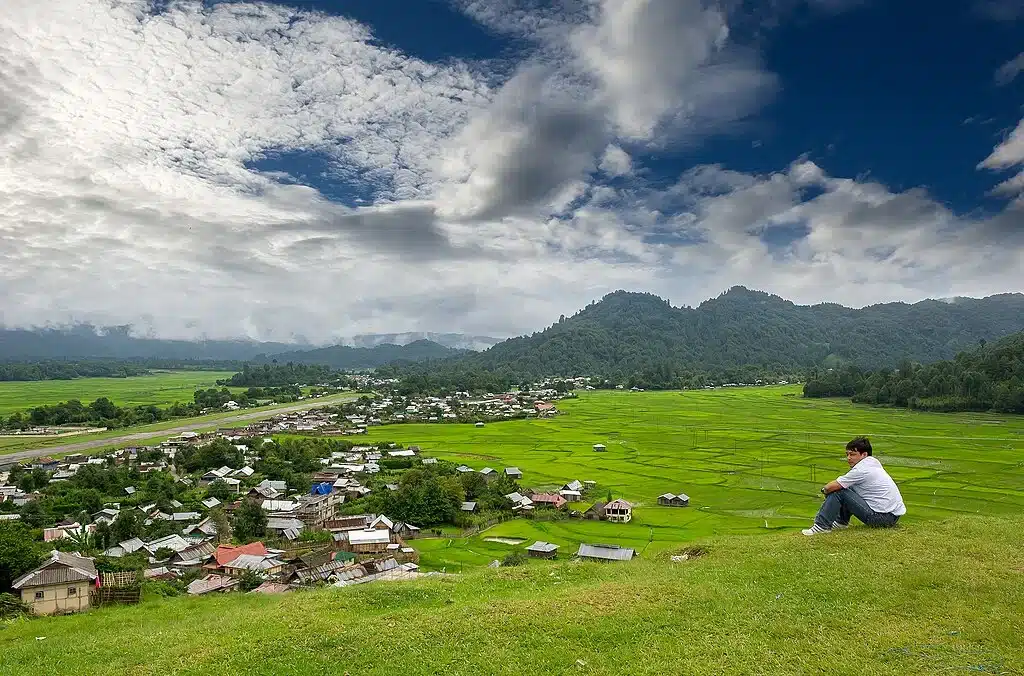
Ziro isn’t about what’s missing from urban life. It’s about what’s quietly endured — harmony with nature, respect for rhythm, and dignity in tradition. Spend a few days here and you don’t feel detached from the world — you feel reattached to something you may have forgotten.
Somewhere between the hills and hands that tend them, Ziro reminds you how to be human again.”