Category: Sacred Trails

  • Cherrapunjee: Beyond the Rainfall Records

    Cherrapunjee: Beyond the Rainfall Records

    Mention Cherrapunjee, and most people think of rain — endless, world-record-breaking rain. But for those who take time to linger, Sohra (as it’s locally called) reveals itself as much more than a weather report. This highland town in Meghalaya isn’t just wet — it’s wildly alive, deeply cultural, and surprisingly soulful.

    The Myth of Wetness, and What Lies Beneath

    Yes, it rains. Sometimes for weeks on end. But it’s in the rhythm of this rain that the Khasi way of life finds meaning. From water-harvesting bamboo systems to forest lore, the people here have not only adapted — they’ve celebrated the wetness. Their architecture, songs, and even food carry echoes of a land carved by clouds.

    And in the monsoon’s pause, the valley sings in green.”

    A Landscape Made for the Mindful

    Cherrapunjee is one of those rare places where geology and mythology intertwine. Gorges that echo with the sound of waterfalls. Caves that once sheltered spirits and rebels. And root bridges — living, growing testaments to Khasi ingenuity — are found in and around villages like Nongriat and Laitkynsew.

    This isn’t the place for speed travelers. Here, nature demands reverence.”

    Living with the Khasi People

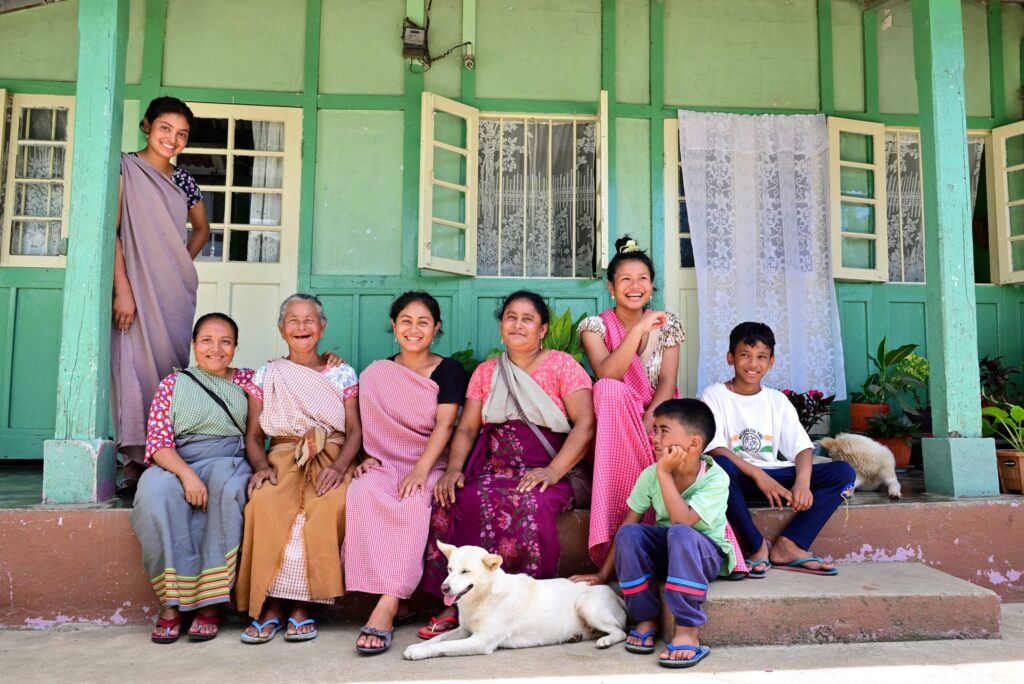
    Spend a day with a local family, and you’ll see that Khasi culture flows matrilineally, with women holding family and land. Conversations in softly spoken Khasi or English unfold over plates of ja doh (rice and pork) or vegetarian delights like jadoh tungtap. The sense of identity here is strong — rooted in earth, clan, and sky.
    Experiences That Matter

    • Trek to the Double-Decker Root Bridge in Nongriat — more than a hike, it’s a lesson in resilience.
    • Visit Mawsmai Cave, not just for the formations, but for the whispered histories inside.
    • Spend a night in a Khasi homestay, and listen to rain hit the tin roof like a lullaby.
    • Chase waterfalls like Nohkalikai, but leave room for the unnamed ones you’ll discover.

    When You Visit

    Walk light. Pack layers. Ask questions. And always remember — you’re a guest in someone’s rain-loved, memory-soaked home.

    Not all that falls is heavy — some rains are made of stories waiting to be heard.”

  • Zemithang: At the Edge of India, Wrapped in Prayer Flags

    Zemithang: At the Edge of India, Wrapped in Prayer Flags

    Zemithang lies at the final edge of India’s northeastern frontier, brushing shoulders with Bhutan and Tibet. But it’s not just its remote geography that makes it special — it’s the sacred stillness that defines every inch of this valley. Nestled at 7,000 feet in the Tawang district of Arunachal Pradesh, Zemithang is home to the Monpa tribe, revered Buddhist sites, and breathtaking mountain silence.

    This is where the mighty Nyamjang Chu River flows like a silken thread from Tibet, where each stupa carries centuries of whispered prayers, and where spirituality is a lived reality — not a show for tourists.

    Where Borders Fade and Beliefs Deepen

    Zemithang isn’t on many maps. Perhaps that’s its charm. The road to reach here from Tawang is long, winding, and not always paved — but the journey prepares you for the kind of peace this village holds. There are no big homestays, no cafés with “mountain views” — only families who open their doors and monasteries that open your heart.

    This is a place where people don’t raise their voices, and the winds don’t disturb your thoughts. You’ll find your pace slowing, your senses awakening, your shoulders dropping.

    The Gorsam Chorten: A Tibetan Echo in India

    One of Zemithang’s most powerful landmarks is the Gorsam Chorten, said to be the largest stupa in Arunachal Pradesh. Built in the 13th century, its design mirrors the famous Boudhanath Stupa of Nepal. Circumambulating this chorten with the locals — prayer wheels spinning gently, the scent of incense lingering — is more than a ritual; it’s a moment of deep grounding.

    In spring, the Gorsam Kora Festival brings together devotees from across Arunachal, Bhutan, and Tibet, turning this quiet village into a vibrant congregation of faith and tradition.”

    The Monpa Way of Life

    The Monpa community is known for its warmth, craftsmanship, and deep Buddhist roots. Their homes are made of timber and stone, their daily rituals infused with gratitude, and their prayer flags fluttering from rooftops like personal blessings to the sky.

    Visitors are often invited to taste putang (local millet beer), learn a few Tibetan chants, or simply share a hearth and stories under woolen blankets.

    Experiences that Stay with You

    • Walk the riverside paths where yaks graze and clouds descend like breath.
    • Explore the lesser-known monasteries with murals that date back centuries.
    • Witness Gorsam Kora — not as a tourist, but as an invited observer of devotion.
    • Spend time with Monpa elders, listening to oral histories of borders, gods, and gratitude.

    A Note for the Traveler

    Zemithang is a gift. But it’s fragile — culturally, environmentally, emotionally. Do not come here with loud cameras or louder demands. Come if you’re ready to blend into its rhythms, however briefly. Stay small. Stay curious.

    Sometimes, the farthest places bring you closest to yourself.”

  • Shergaon: Where Orchards Bloom and Stories Breathe

    Shergaon: Where Orchards Bloom and Stories Breathe

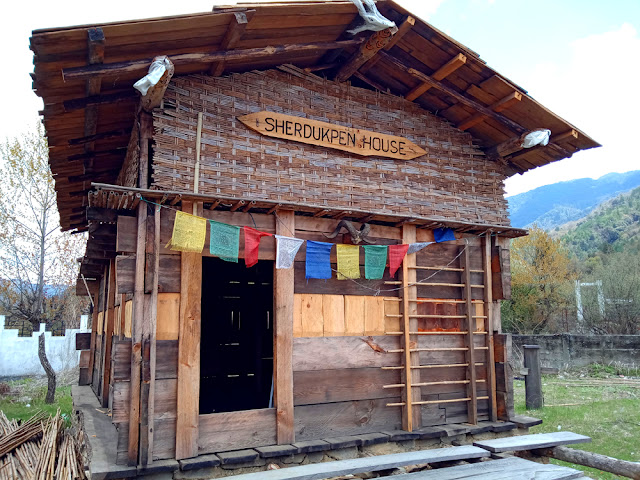
    Nestled in the westernmost folds of Arunachal Pradesh, Shergaon is a village that feels like a secret kept by the mountains. Home to the Sherdukpen tribe, this lush valley is a symphony of apple orchards, pine forests, handwoven textiles, and deeply held traditions that flow through every household like heirlooms.

    Shergaon isn’t just beautiful — it’s composed. It offers a way of life that is slow, seasonal, and softly spoken. For travelers looking to pause, observe, and immerse, this village opens its arms without ever raising its voice.

    A Village Rooted in Rhythms

    Shergaon lies en route to the famed Tawang circuit, yet it remains relatively untouched by tourist traffic. That’s what makes it so special. Villagers still gather around fire pits in the evening, the monastery bell still marks the passing hours, and the forest trails whisper with the scent of pine and silence.

    Come spring, the orchards bloom — apples, plums, and pears painting the valley in tender shades. But Shergaon is more than just flora. It is a village where storytelling is still alive, often passed on through textiles, murals, and rituals — and most vividly during its vibrant community festivals.

    The Sherdukpen Legacy

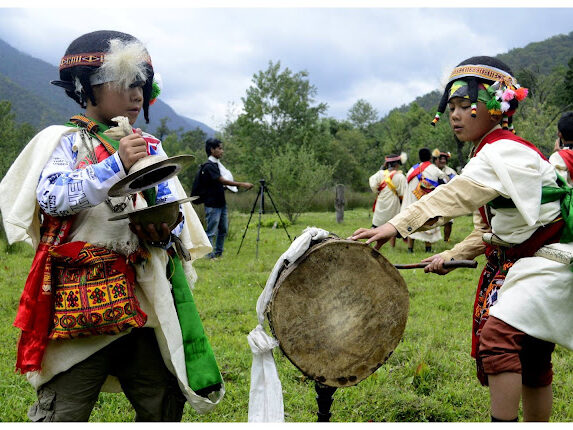
    The Sherdukpen tribe follows a unique blend of Tibetan Buddhism and indigenous animistic traditions. Their rituals are a quiet resistance to homogenized culture. You’ll see elders in traditional attire conducting seasonal ceremonies to thank the forest, rivers, and skies — reminding us that faith can be intimate, not institutional.

    A visit to Lhagyala Gompa, perched on a quiet hill, brings you face to face with centuries-old murals and the everyday practice of mindfulness.

    Experiences Worth Staying For

    • Hike the village trails into the nearby forests — rich in orchids, medicinal herbs, and birdsong.
    • Visit traditional looms where Sherdukpen women weave wool into motifs that tell origin tales.
    • Spend a morning in the fields with a local family, understanding the rhythms of seasonal farming.
    • Attend Choskar Festival, if you’re lucky — a celebration of community harvests and prayers for prosperity.

    Food that Feels Like Home

    Shergaon’s food is earthy and seasonal — thenthuk, fermented bamboo shoot curry, and buckwheat rotis are staples. Meals here are stories on a plate, often served with herbal teas brewed from foraged leaves. Everything is cooked slow, shared wide, and eaten warm — usually by a crackling fire.

    Travel Thoughtfully

    Shergaon asks little from you, but gives a lot. Respect the quiet — don’t play loud music or enter sacred sites without permission. Choose local homestays. Don’t litter, even on hikes. Most of all, listen. Shergaon doesn’t shout — it hums.

    The quietest places often carry the oldest truths.”

  • Menchuka: Where Mountains Whisper and Monasteries Listen

    Menchuka: Where Mountains Whisper and Monasteries Listen

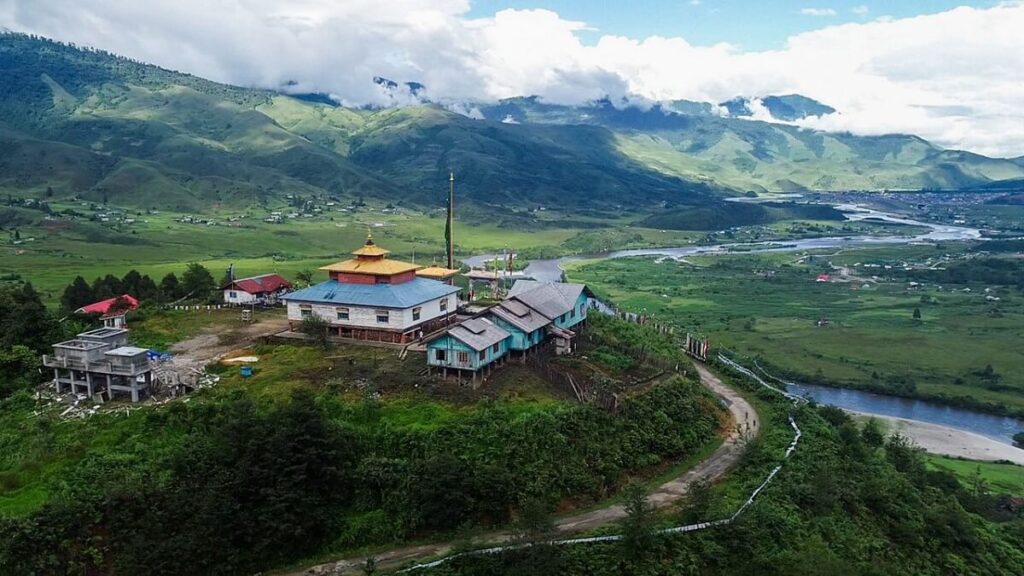
    Cradled in a remote corner of Arunachal Pradesh, Menchuka is not just a place on the map — it’s an experience that holds stillness like a secret. With snow-capped peaks brushing the horizon and the Siyom River cutting a gentle rhythm through the valley, Menchuka invites travelers not to rush, but to listen.

    A Valley Wrapped in Time

    Menchuka, often described as the “Forbidden Valley,” was once accessible only by foot or air. Even today, the long road journey here feels more like a pilgrimage than a trip. Along the winding drive, landscapes unfold from alpine forests to windswept grasslands, resembling a Himalayan dream untouched by tourist noise.

    This seclusion isn’t just geographical — it’s cultural. The Memba people who inhabit Menchuka follow Tibetan Buddhism, and their lives are still deeply rooted in traditional ways. You’ll find prayer flags fluttering over wooden homes, yaks grazing near age-old gompas, and locals who greet you with quiet warmth.

    Of Monasteries and Memory

    The 400-year-old Samten Yongcha Monastery — older than Tawang Monastery — is Menchuka’s spiritual heart. Perched on a hill, it’s not just a structure, but a keeper of stories and silences. The chants here echo through the valley, reminding you that some places are meant to be felt, not photographed.

    There’s also the newer Guru Nanak Taposthan, marking the site where Guru Nanak is believed to have meditated. It’s a powerful symbol of Menchuka’s lesser-known interfaith legacy, where Buddhism, Sikhism, and animistic beliefs have coexisted without tension.

    Flavours of Simplicity

    Menchuka’s food isn’t elaborate — it’s comforting and honest. Think of warm thukpa made from local grains, yak meat slow-cooked with Himalayan herbs, and momo platters shared over conversations that need no translation. Many guesthouses serve home-style meals that nourish you after a long walk or a riverside amble.

    Experiences to Embrace

    • Walk through the wooden villages of Dorjeeling and Singbir, where each house tells of resilience in cold winters and long traditions.
    • Join a local during Losar, the Tibetan New Year, if your visit aligns — it’s a festival of community, colour, and prayer.
    • Stargaze without light pollution — the valley’s remoteness offers skies freckled with stars that city eyes have forgotten.

    Travel Gently

    While Menchuka is welcoming, it’s fragile. The ecology is pristine, and the culture, though resilient, is sensitive to change. Bring mindfulness. Pack light, respect homestay rules, and remember that your presence leaves footprints — visible and invisible.

    Not all silence is empty — some places echo with stories too old for words.”

  • Khonoma: The Village That Chose Forests Over Firearms

    Khonoma: The Village That Chose Forests Over Firearms

    Nestled in the hills of Nagaland, just 20 kilometers from Kohima, lies Khonoma — a village that once echoed with the spirit of resistance but today thrives as a symbol of peace and preservation. With stone-paved paths, terraced fields carved into the mountainside, and the deep ethos of the Angami tribe, Khonoma is not merely a place to visit, but a story to understand.

    A Brief History of Valor and Vision

    Khonoma’s legacy is etched in Nagaland’s history as the stronghold of Angami warriors who stood against British colonial forces in the 19th century. Known for its fierce defense, the village eventually transitioned from martial pride to environmental wisdom — a journey that shaped its identity into what it is today.

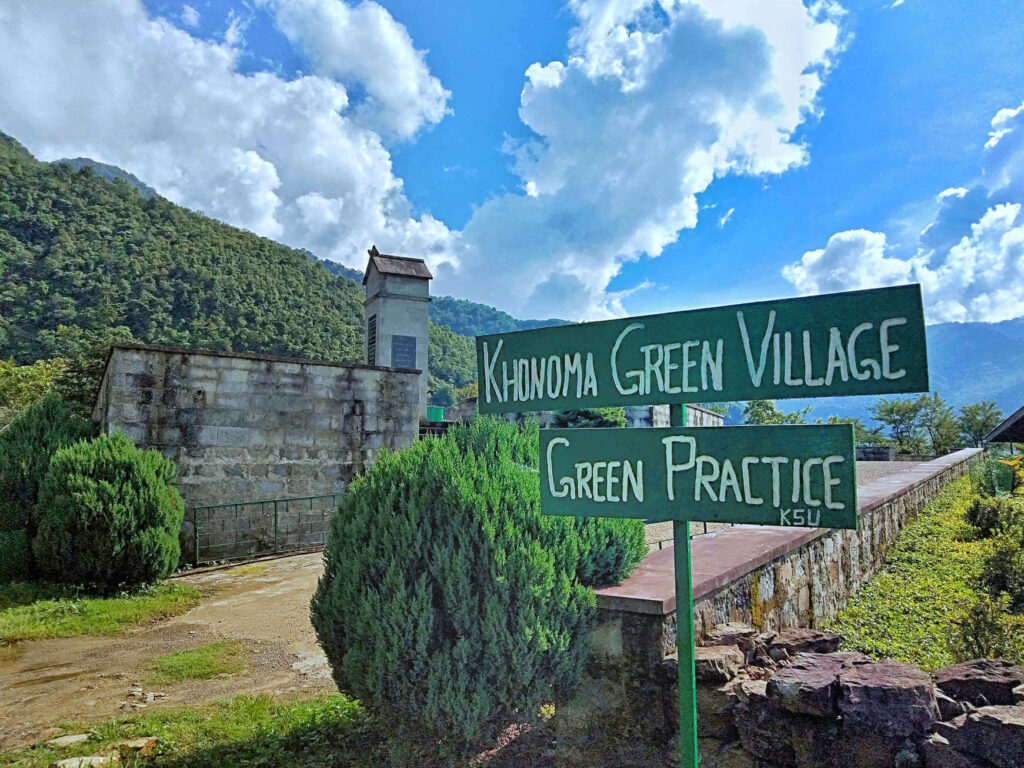
    In 1998, Khonoma declared 70 square kilometers of its forest as a community-protected area, marking the establishment of India’s first “Green Village.” This was a bold step — especially in a region where hunting was once deeply woven into cultural practices.

    What Makes Khonoma Unique

    • Conservation Through Community:
      • The villagers collectively banned hunting and logging in protected areas. It wasn’t imposed by outsiders — it came from within.
    • Terrace Farming as a Living Art:
      • Walk through fields that cascade like green steps down the hills. Here, Alder-based farming keeps the soil fertile without chemicals — a living lesson in sustainability.
    • Architecture Rooted in Identity:
      • Traditional Angami houses with intricate wood carvings, grain storage platforms, and monoliths reflect a harmony between heritage and function.

    Experiences to Have in Khonoma

    • Hike to the Forest Ridge:
      • Trek through dense forests where rare birds like the Blyth’s Tragopan — Nagaland’s state bird — nest in peace.
    • Sit With the Elders:
      • Hear firsthand stories of the resistance, the shift toward peace, and the value of communal living.
    • Witness Traditional Weaving & Crafts:
      • From bamboo basketry to wood carving, the arts of Khonoma are quiet yet precise expressions of its identity.

    The Heartbeat of Responsible Travel

    Khonoma doesn’t offer glitz. What it offers is a rare invitation — to see how a community can turn its story from survival to stewardship. Visitors aren’t outsiders here; they are welcomed into the rhythm of life — gently reminded to slow down, observe, and listen.

    This is the kind of place that leaves you wondering: what if every destination had the agency to tell its story on its own terms?

    The forest is not a place to conquer, but a presence to befriend.”