Category: People & Traditions

  • Khonoma: The Village That Chose Forests Over Firearms

    Khonoma: The Village That Chose Forests Over Firearms

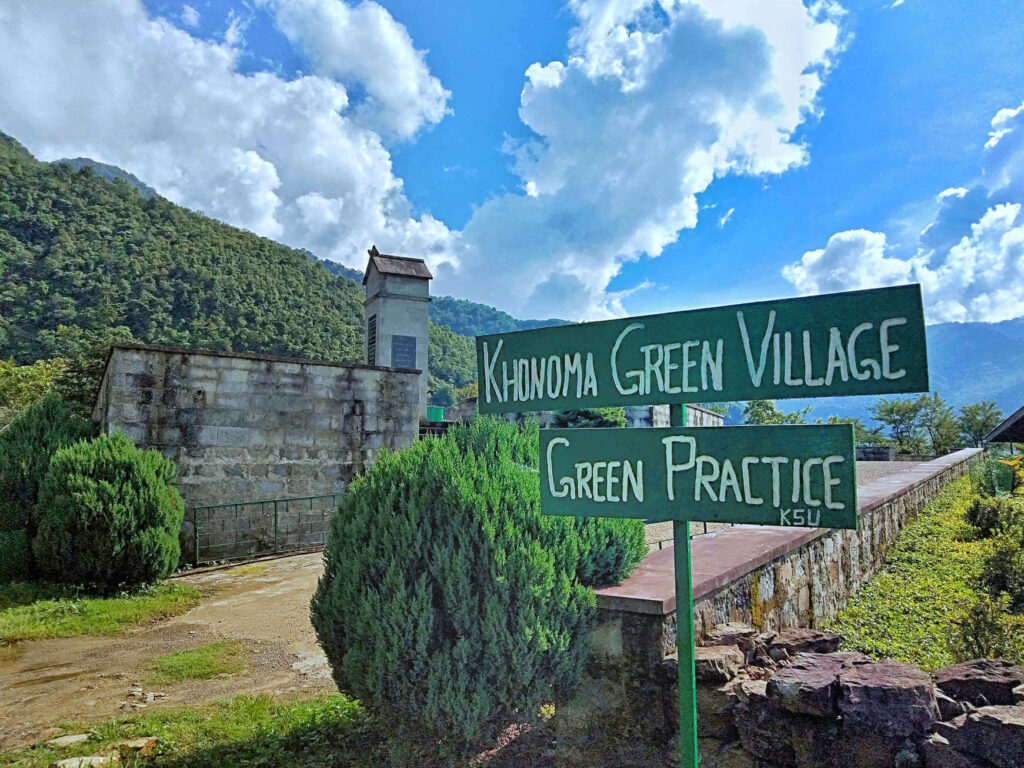
    Nestled in the hills of Nagaland, just 20 kilometers from Kohima, lies Khonoma — a village that once echoed with the spirit of resistance but today thrives as a symbol of peace and preservation. With stone-paved paths, terraced fields carved into the mountainside, and the deep ethos of the Angami tribe, Khonoma is not merely a place to visit, but a story to understand.

    A Brief History of Valor and Vision

    Khonoma’s legacy is etched in Nagaland’s history as the stronghold of Angami warriors who stood against British colonial forces in the 19th century. Known for its fierce defense, the village eventually transitioned from martial pride to environmental wisdom — a journey that shaped its identity into what it is today.

    In 1998, Khonoma declared 70 square kilometers of its forest as a community-protected area, marking the establishment of India’s first “Green Village.” This was a bold step — especially in a region where hunting was once deeply woven into cultural practices.

    What Makes Khonoma Unique

    • Conservation Through Community:
      • The villagers collectively banned hunting and logging in protected areas. It wasn’t imposed by outsiders — it came from within.
    • Terrace Farming as a Living Art:
      • Walk through fields that cascade like green steps down the hills. Here, Alder-based farming keeps the soil fertile without chemicals — a living lesson in sustainability.
    • Architecture Rooted in Identity:
      • Traditional Angami houses with intricate wood carvings, grain storage platforms, and monoliths reflect a harmony between heritage and function.
    Experiences to Have in Khonoma

    • Hike to the Forest Ridge:
      • Trek through dense forests where rare birds like the Blyth’s Tragopan — Nagaland’s state bird — nest in peace.
    • Sit With the Elders:
      • Hear firsthand stories of the resistance, the shift toward peace, and the value of communal living.
    • Witness Traditional Weaving & Crafts:
      • From bamboo basketry to wood carving, the arts of Khonoma are quiet yet precise expressions of its identity.

    The Heartbeat of Responsible Travel

    Khonoma doesn’t offer glitz. What it offers is a rare invitation — to see how a community can turn its story from survival to stewardship. Visitors aren’t outsiders here; they are welcomed into the rhythm of life — gently reminded to slow down, observe, and listen.

    This is the kind of place that leaves you wondering: what if every destination had the agency to tell its story on its own terms?

    The forest is not a place to conquer, but a presence to befriend.”

  • Where Borders Blur: A Glimpse into Longwa, Nagaland

    Where Borders Blur: A Glimpse into Longwa, Nagaland

    Perched high in the Mon district of Nagaland, Longwa is a village unlike any other. Here, geography bends to the rhythm of culture — quite literally. The house of the Angh (village chief) famously straddles the international border between India and Myanmar. Sit on one end of his porch and you’re in India, swing your legs to the other and you’ve stepped into Myanmar — no passport needed, just a respectful heart.

    The Konyaks: Warriors, Woodcraft, and Warmth

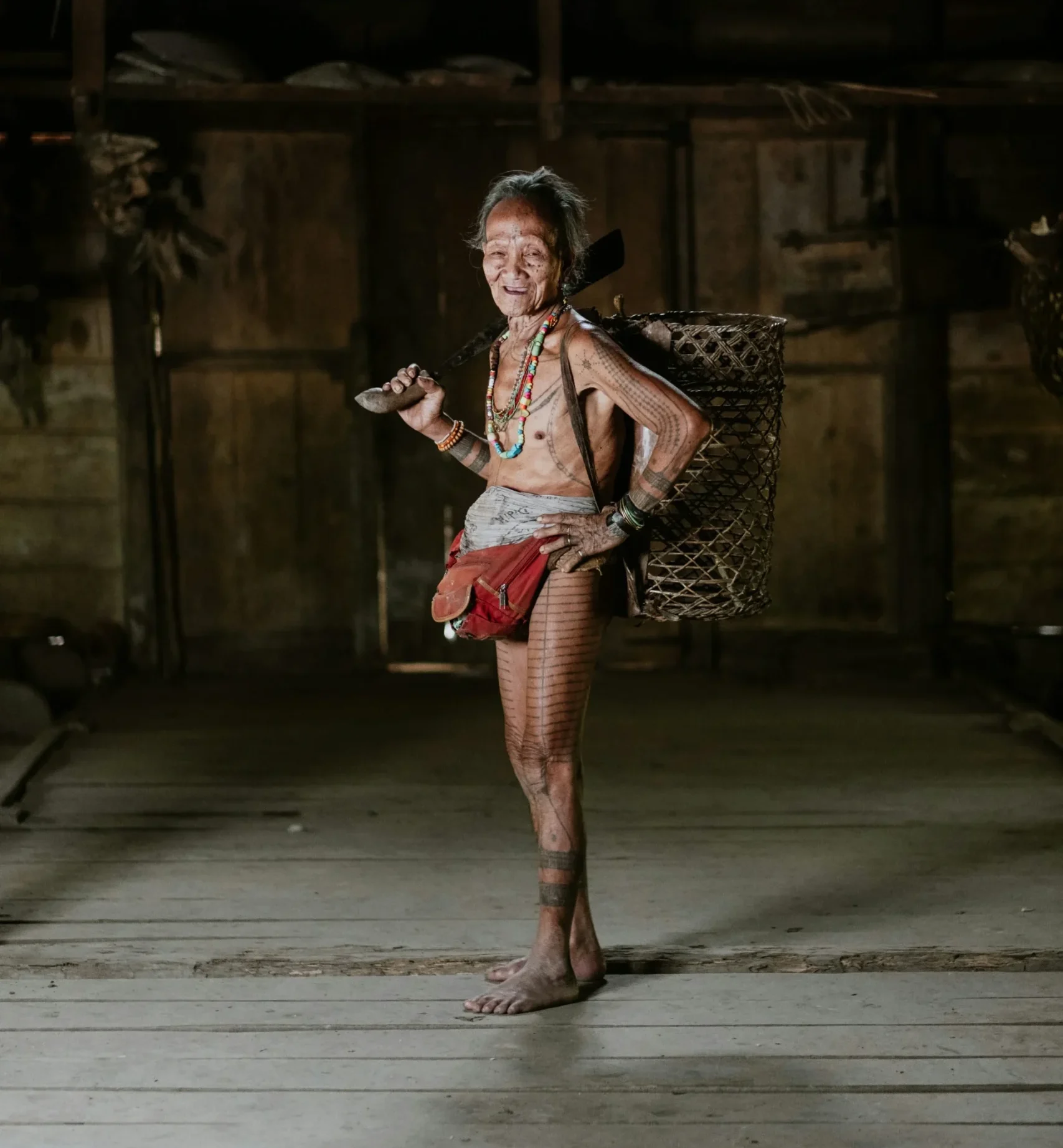
    Longwa is home to the Konyak Nagas — once fierce headhunters, now fierce preservers of heritage. Their tattoos, etched in deep indigo across faces and torsos, are not just body art but chronicles of valor, rites of passage, and ancestral pride.

    Today, these same hands — once used in tribal warfare — carve intricate woodwork, shape guns by hand (yes, still), and tend to fields stretching into the horizon. As tourism grows, some men still wear their traditional ornaments, not for show, but for the pride of being seen — as Konyak.

    But Longwa’s real uniqueness isn’t in this novelty. It’s in its people.”

    Life in a Village that Knows No Borders

    There are no immigration checks in Longwa. The village lives between two countries but inside one rhythm. The local dialect, Konyak, is spoken fluently on both sides. Children attend school in India, but often visit family in Myanmar by afternoon.

    Electricity is sporadic, but the warmth of human connection here is constant. Meals are shared, stories are passed over firewood, and even as concrete tries to enter, bamboo still holds the soul of the homes. Connectivity might be low, but community isn’t.

    Ethical Curiosity: What it Means to Visit Longwa

    Longwa invites curiosity, but it demands care. This isn’t a tourist site to “check off.” It’s a living, breathing community shaped by shifting geopolitics, history, and a powerful sense of place.

    If you go, speak less and listen more. Buy local handicrafts without bargaining, ask before photographing elders, and remember — the best souvenir from Longwa isn’t a trinket, but the stories you carry home.

    Not all borders divide. Some simply remind us how connected we already are.”

  • Majuli: Where the River Breathes Culture

    Majuli: Where the River Breathes Culture

    Set within the sprawling arms of the Brahmaputra, Majuli is the world’s largest inhabited river island — but to call it just that is to miss its essence. It is a cultural reservoir, a spiritual anchor, and a living island of traditions, flowing gently with time. In Majuli, the river doesn’t just pass by — it sculpts faith, art, and identity.

    The Pulse of the Island

    Life here moves with the water. Locals rise with the mist, navigating handmade canoes to the banks. There’s no skyline of steel, yet the sky itself holds more — from rice fields to ferry rides, temple bells to folk laughter. Every lane is a story, every house a shrine to community.

    Satras – The Soul of Majuli

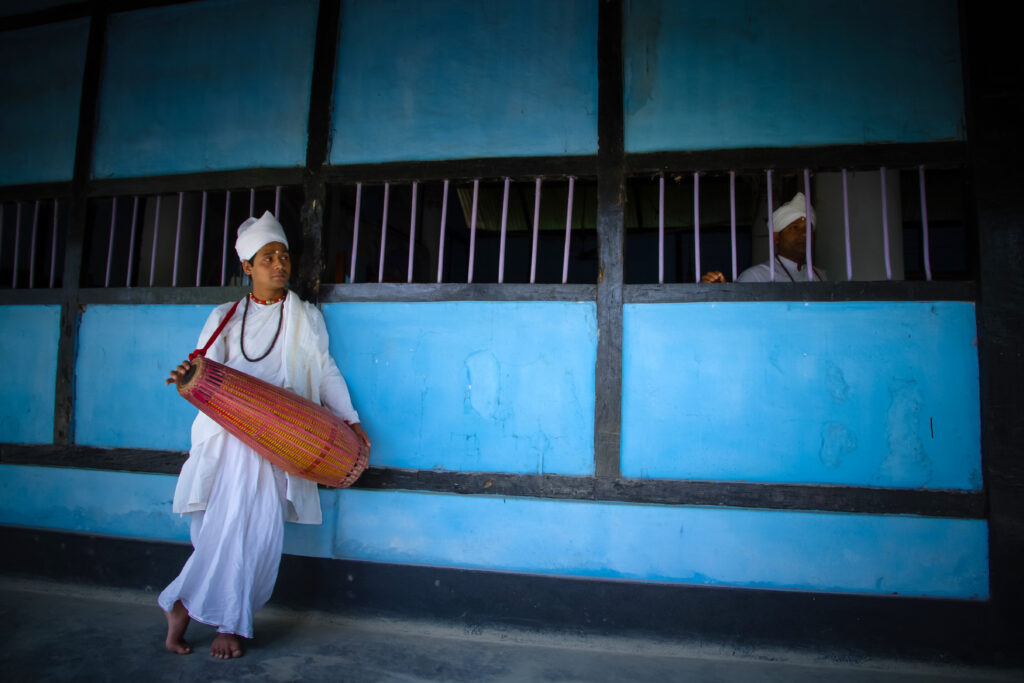
    Dating back to the 15th century, Majuli’s Satras (Vaishnavite monasteries) are more than sacred spaces — they are schools of thought, discipline, and storytelling. Founded by Srimanta Sankardev, these institutions nurture classical Sattriya dance, traditional manuscript painting, and devotional music.

    Visit Auniati Satra, Kamalabari Satra, or Dakhinpat Satra to understand how rituals meet rhythm. Here, monks become artists, and devotion is performed, not preached.”

    Masks, Myths & Mising Wisdom

    In Samaguri Satra, artists handcraft masks used in Bhaona — theatrical retellings of Hindu epics. These masks aren’t decorative; they are vessels of mythology. Made from bamboo and cow dung paste, they’re lightweight, detailed, and soulful.

    The Mising community, with their elevated homes and handwoven mekhela sador, live close to the river’s temperament. Their traditions — including Apong (rice beer) brewing and seasonal fishing — embody resilience born of coexisting with a shifting landscape.

    Erosion, Impermanence, and Urgency

    Majuli loses land every year due to riverbank erosion. Despite this, its people hold on — not out of denial, but dignity. As a traveler, it’s important to respect this fragility. Avoid plastic, support local artisans, and choose responsible operators who understand the pulse of the place.

    Visiting Majuli isn’t about sightseeing. It’s about understanding how land, water, and memory intertwine. It’s about sharing a meal with a host, watching dusk fall over a monastery courtyard, or simply standing still while the island reveals its soul. Majuli is a meditation in motion — a floating testament to how culture thrives even when land disappears. Come not to consume, but to connect. You’ll leave with more than memories; you’ll carry a part of the river’s wisdom with you.

    Some lands are not meant to be mapped, but remembered — like a rhythm, like a prayer, like a river.”