Category: Menchuka

  • Fire in the Valley

    Fire in the Valley

    Menchuka lies quietly in the folds of Arunachal Pradesh, surrounded by pine forests and prayer flags, where the river Siyom hums stories of the mountains. But when festival time comes — particularly during Mopin or Losar — this silence lifts, giving way to drums, chants, dances, and the warm crackle of communal fire.

    In Menchuka, festivals are not performances. They are memories kept alive with barley flour, butter lamps, and the collective rhythm of hope.

    Mopin: A Festival of Flour and Fire

    Celebrated by the Galo tribe, Mopin is a springtime festival that asks for prosperity and protection against evil. White rice flour is smeared on faces, homes are decorated with leaves, and villagers gather around massive bamboo bonfires as priests chant blessings into the night air.

    Central to Mopin is the ritual of Popir dance — graceful, circular movements performed by women dressed in white, symbolizing purity and community. There’s no stage, just earth; no audience, only participation.
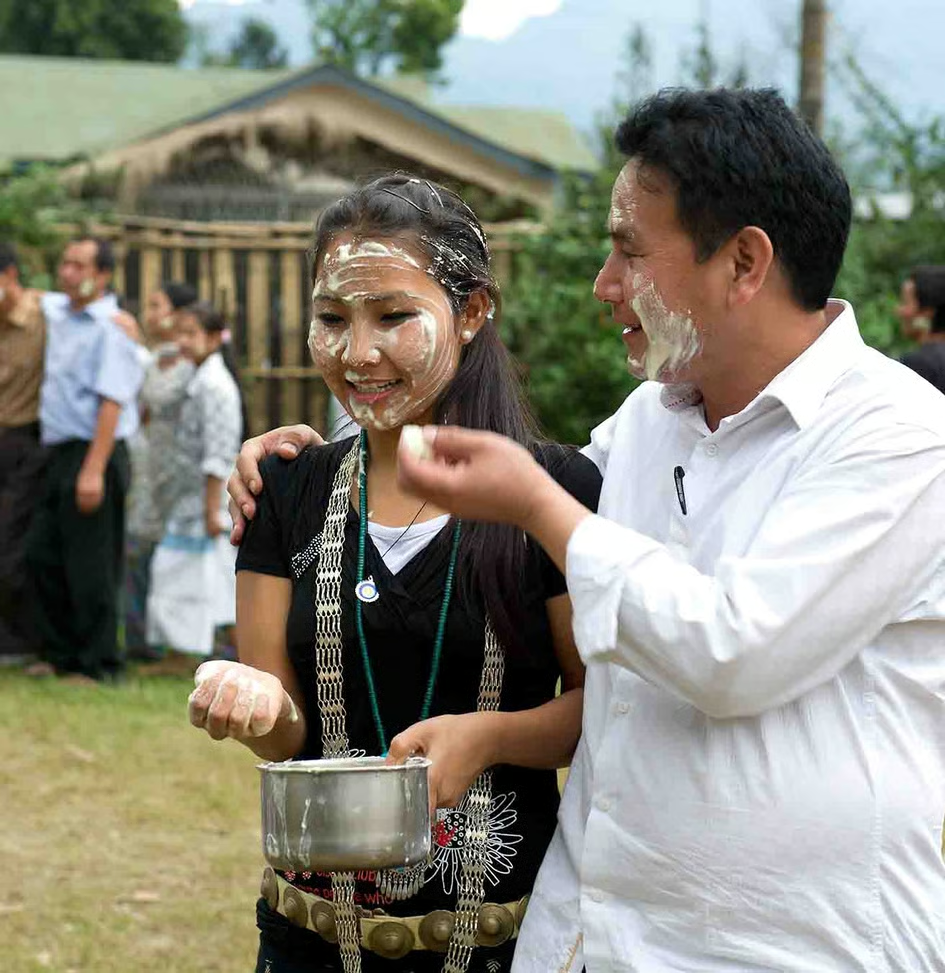
    “You don’t watch Mopin,” said our hostess. “You become part of it — or you miss it entirely.”

    Losar: When Monasteries Sing

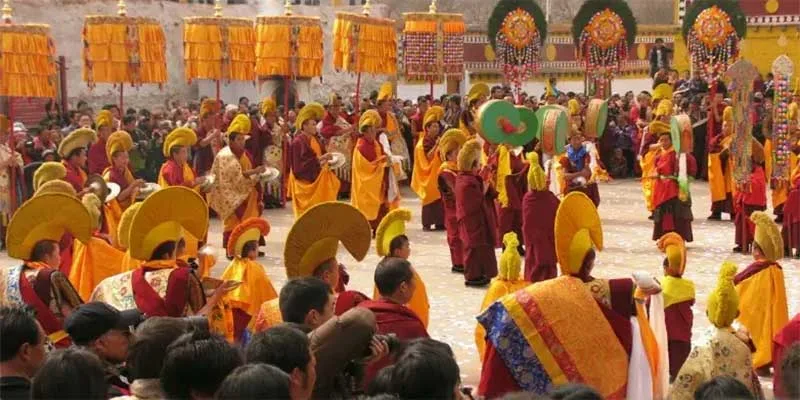
    While Mopin belongs to the Galos, Losar, the Tibetan New Year, is celebrated with equal fervor by the Memba community in Menchuka. It’s a time of spiritual renewal — with Gumpa prayers, butter lamp offerings, and monks performing masked Cham dances to dispel evil and welcome peace.

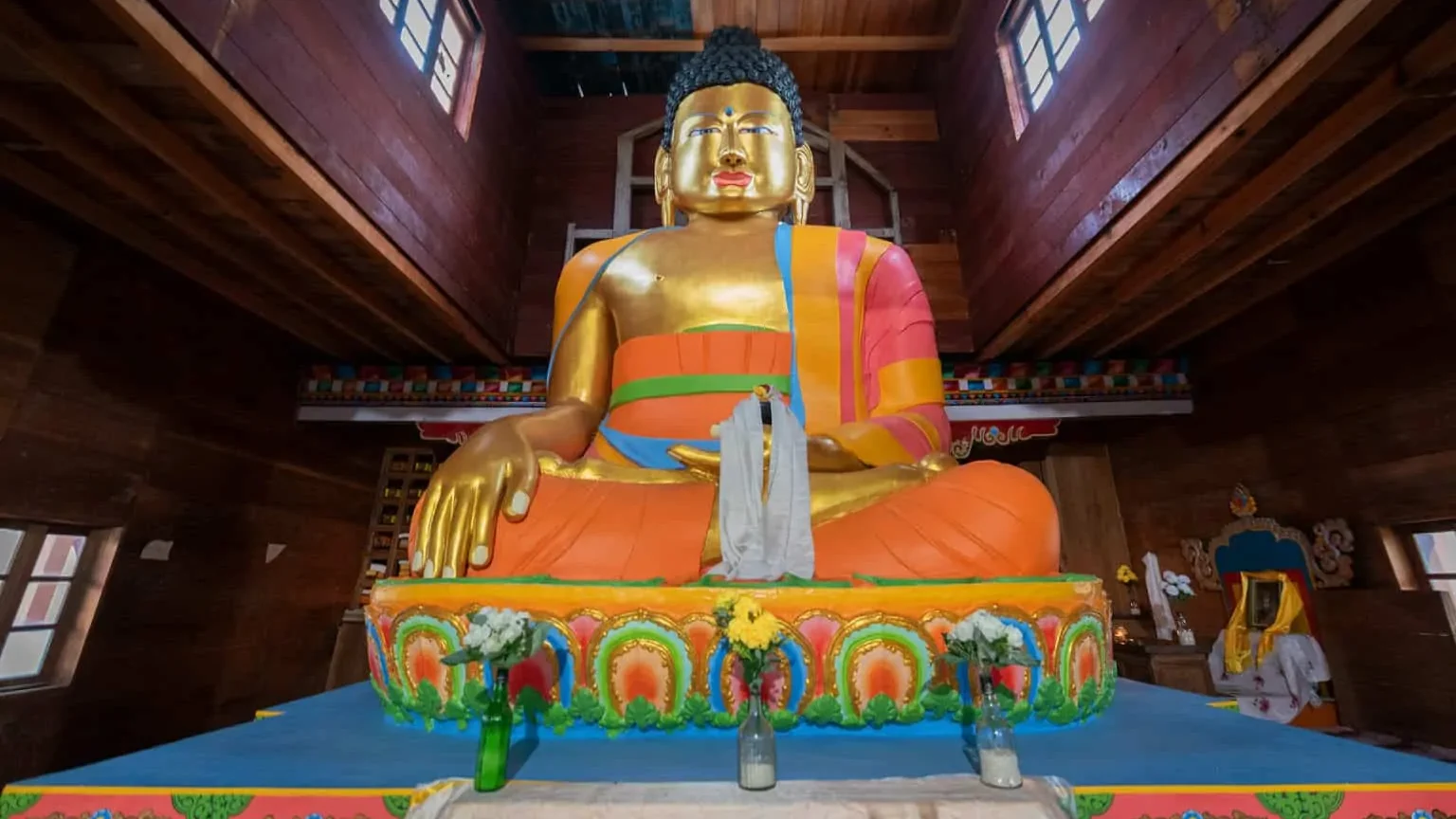
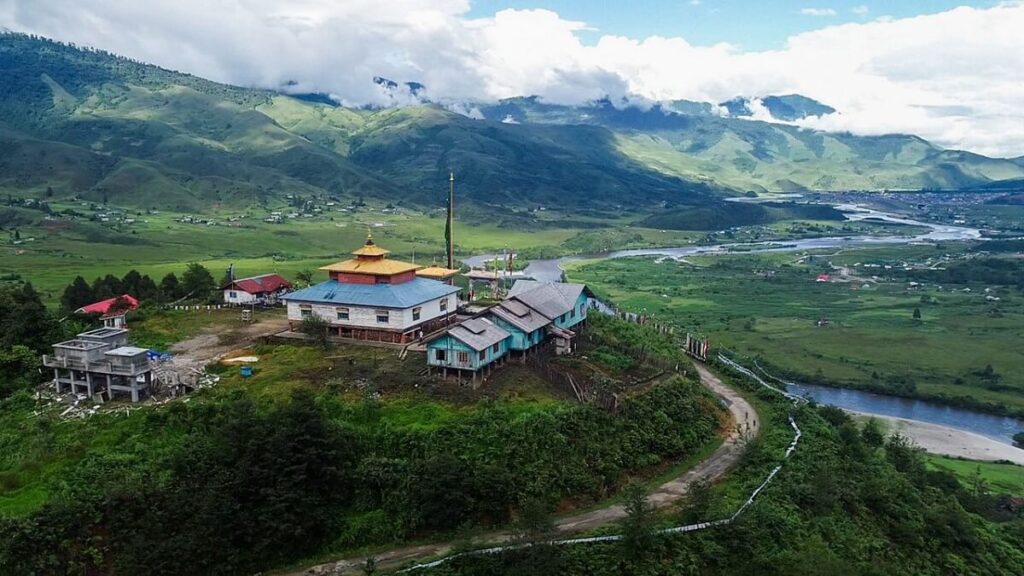
    Monasteries like Samten Yongcha come alive with colors, chanting, and quiet devotion. The warmth of chang (local rice beer) and the lighting of ceremonial fires turn the chill of February into a season of togetherness.
    Snippets from the Valley

    • Ritual Smoke at Dusk:
      During festivals, pinewood is burnt not just for warmth, but for its fragrance. The smoke is believed to purify the air and invite ancestral blessings.
    • Singing While Cooking:
      In many homes, cooking is done in groups, with women humming songs passed down generations. Recipes are never written — they’re remembered by taste and tune.
    • The Festival Scarf:
      Known as pomo, this ceremonial scarf is offered with both hands during festivals — a gesture of goodwill, respect, and emotional connection.

    Bonfires That Bless

    During Mopin, bonfires are not just symbolic — they are participatory. Families bring twigs, leaves, and even small items they wish to “cleanse” through the flame. These fires are believed to carry messages to spirits, guiding them gently back to the heavens.

    Know Before You Go

    Best time:

    • Mopin: Early April
    • Losar: February or March (as per the lunar calendar)

    Where to experience it:

    • Samten Yongcha Monastery, local community grounds in the valley

    Cultural etiquette:

    • Avoid stepping in front of dancers during rituals
    • Always accept ceremonial offerings with both hands

    Tip:

    • Carry warm clothes — festival nights can be freezing even in spring

    In Menchuka, festivals aren’t announcements — they are affirmations. Of roots, of relationships, and of the radiant flame that connects people to land and spirit. You don’t need to understand every chant or gesture. Just show up with warmth in your heart — the fire will do the rest.

    The mountains may keep you apart, but a fire shared at festival time brings every heart closer.”

  • Listening to the Edges in Menchuka

    Listening to the Edges in Menchuka

    Far in the folds of Arunachal Pradesh, where the land becomes hush before turning into Tibet, sits Menchuka — a small town that doesn’t rise like a destination but settles like a revelation. Surrounded by pine-clad hills, slivers of blue rivers, and quiet military roads, Menchuka balances solitude and surprise like few places can.

    The name ‘Menchuka’ loosely translates to “medicinal water of snow” — and the place lives up to it. Clean, high-altitude air. Springs that trickle with silence. Paths that lead not to landmarks but to feelings — of distance, resilience, and welcome.

    Alo People and Their Everyday Grace

    Menchuka is home to the Memba tribe, and nearby, to the Adi and Tagin communities. Here, hospitality isn’t a gesture — it’s woven into the daily rhythm. You’ll be invited in not with grand gestures, but with butter tea, laughter, and warmth that fills more than your hands.

    Traditional houses made from wood, stone, and bamboo overlook fields of barley and maize. Monasteries dot the hills, and in their prayer flags, the breeze carries centuries of quiet faith. Local kids play barefoot with sticks as cricket bats. Dogs bark at the wind, not at strangers. There’s no urgency to perform — and that’s what makes it beautiful.

    A Village Framed by Borders, Held Together by Belonging”

    Between Army Camps and Apple Orchards

    Menchuka stands close to the Indo-Tibet border — and the presence of the military is unavoidable. Yet, it doesn’t overshadow life; it blends in. Soldiers wave at locals, help repair bridges, buy from village stores. It’s one of the few places where camouflage uniforms and monk robes share the same footpaths.

    Meanwhile, in September and October, apple trees heavy with fruit bend near monasteries. In winter, the same roads are blanketed in snow — and the silence becomes deeper, almost sacred.

    Three Unusual Observations from Menchuka

    • Handwoven Textiles with Personal Codes:
      Traditional dresses often contain symbols woven by the weaver to reflect their personal story or beliefs — not visible to all, but meaningful to those who know where to look.
    • Oral Mapping Instead of Signboards:
      Locals don’t give directions with “left” or “right” — they tell you to turn “after the house with three prayer wheels,” or “beyond the sleeping dog corner.” It teaches you to observe, not just follow.
    • Monasteries That Smell of Juniper and Books:
      The Samten Yongcha monastery, older than any map you’ll carry, welcomes you not with grandeur but with incense, dusty prayer books, and chants that don’t demand understanding — only attention.

    When in Menchuka, Remember…

    • Best time to visit: March to May for greenery and October for golden harvests.
    • How to reach: By road via Aalo (a long journey best done in stages), or by helicopter from Itanagar (weather permitting).
    • Where to stay: Local homestays are often run by teachers, farmers, or retired army men. You’ll leave with stories, not just receipts.
    • Don’t miss: The 400-year-old Samten Yongcha Gompa perched on a cliff, and an early morning walk by the Siyom River when the fog hasn’t fully left.

    Menchuka doesn’t try to impress you. It offers space — to reflect, to connect, to walk slow, and to feel small in a good way. The quiet here is not an absence, but a depth — where stories aren’t told loudly, but land gently in your memory.

    In places where the road ends, something else begins — in Menchuka, it’s the sound of stillness you’ll remember.”

  • Menchuka: Where Mountains Whisper and Monasteries Listen

    Menchuka: Where Mountains Whisper and Monasteries Listen

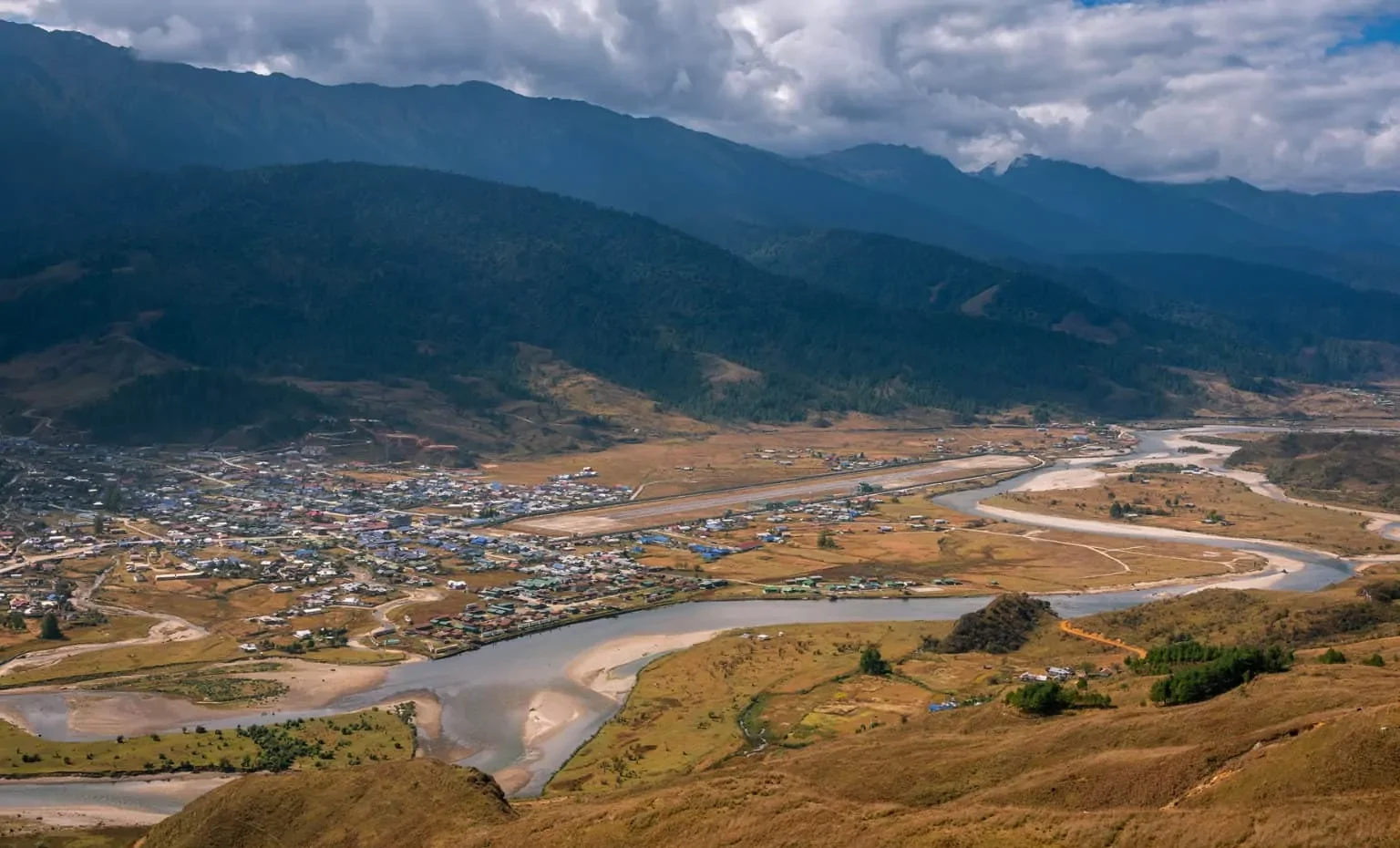
    Cradled in a remote corner of Arunachal Pradesh, Menchuka is not just a place on the map — it’s an experience that holds stillness like a secret. With snow-capped peaks brushing the horizon and the Siyom River cutting a gentle rhythm through the valley, Menchuka invites travelers not to rush, but to listen.

    A Valley Wrapped in Time

    Menchuka, often described as the “Forbidden Valley,” was once accessible only by foot or air. Even today, the long road journey here feels more like a pilgrimage than a trip. Along the winding drive, landscapes unfold from alpine forests to windswept grasslands, resembling a Himalayan dream untouched by tourist noise.

    This seclusion isn’t just geographical — it’s cultural. The Memba people who inhabit Menchuka follow Tibetan Buddhism, and their lives are still deeply rooted in traditional ways. You’ll find prayer flags fluttering over wooden homes, yaks grazing near age-old gompas, and locals who greet you with quiet warmth.

    Of Monasteries and Memory

    The 400-year-old Samten Yongcha Monastery — older than Tawang Monastery — is Menchuka’s spiritual heart. Perched on a hill, it’s not just a structure, but a keeper of stories and silences. The chants here echo through the valley, reminding you that some places are meant to be felt, not photographed.

    There’s also the newer Guru Nanak Taposthan, marking the site where Guru Nanak is believed to have meditated. It’s a powerful symbol of Menchuka’s lesser-known interfaith legacy, where Buddhism, Sikhism, and animistic beliefs have coexisted without tension.

    Flavours of Simplicity

    Menchuka’s food isn’t elaborate — it’s comforting and honest. Think of warm thukpa made from local grains, yak meat slow-cooked with Himalayan herbs, and momo platters shared over conversations that need no translation. Many guesthouses serve home-style meals that nourish you after a long walk or a riverside amble.

    Experiences to Embrace

    • Walk through the wooden villages of Dorjeeling and Singbir, where each house tells of resilience in cold winters and long traditions.
    • Join a local during Losar, the Tibetan New Year, if your visit aligns — it’s a festival of community, colour, and prayer.
    • Stargaze without light pollution — the valley’s remoteness offers skies freckled with stars that city eyes have forgotten.

    Travel Gently

    While Menchuka is welcoming, it’s fragile. The ecology is pristine, and the culture, though resilient, is sensitive to change. Bring mindfulness. Pack light, respect homestay rules, and remember that your presence leaves footprints — visible and invisible.

    Not all silence is empty — some places echo with stories too old for words.”