Category: Majuli

  • When the Earth Cracks, We Stay

    When the Earth Cracks, We Stay

    Majuli isn’t just the world’s largest river island. It’s also one of its most vanishing.

    Year after year, the Brahmaputra rises. Land disappears. Homes shift. Temples lean. And yet, the people of Majuli remain. Not because they have no choice — but because they choose to belong, again and again.

    This blog isn’t just about land lost. It’s about what refuses to be erased.


    It’s not about what to see in Majuli — it’s about how not to look away.

    “This is not just land. This is where our gods speak, where our crops pray, where our stories wake up each morning,” says an elder in Kamalabari.

    A Geography That Moves

    Majuli was once over 1,200 square kilometers. Today, it’s less than 500. The Brahmaputra’s floods aren’t rare disasters here — they’re seasonal certainties. Each monsoon redraws the map. Villages shift. Roads vanish. People adapt.

    There are stories of homes being dismantled and reassembled overnight. Of prayer flags moved inland. Of bamboo bridges rebuilt by hand. Of mothers who store seeds in cloth bundles, ready to move with the next storm.

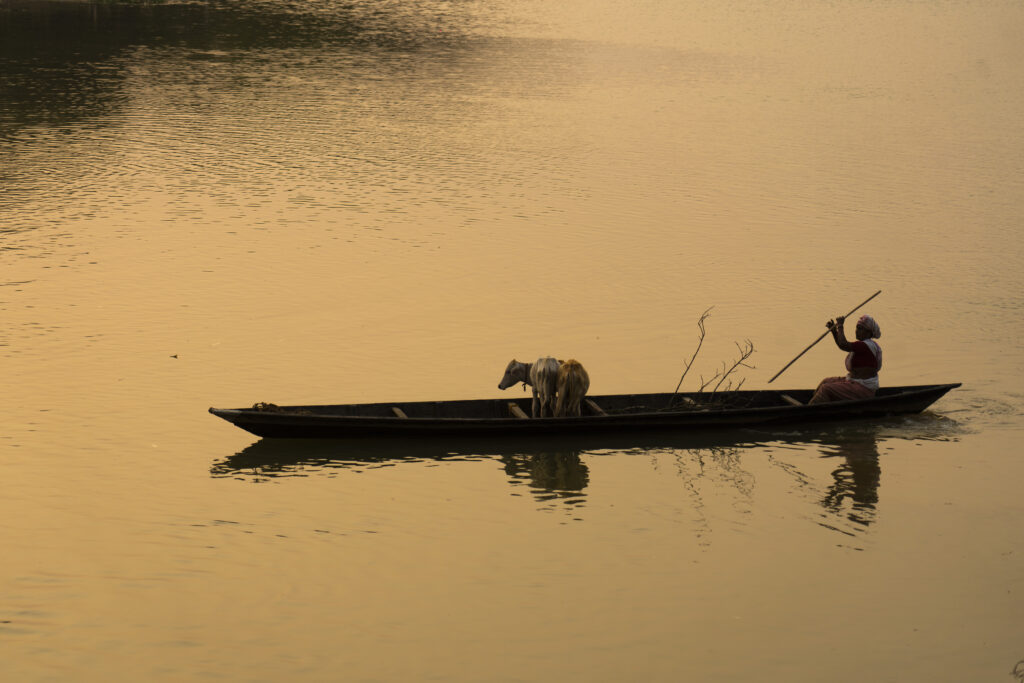
    “Majuli is a boat,” says an old boatman. “We don’t fix it to the shore. We learn to float.”

    Resilience as Routine

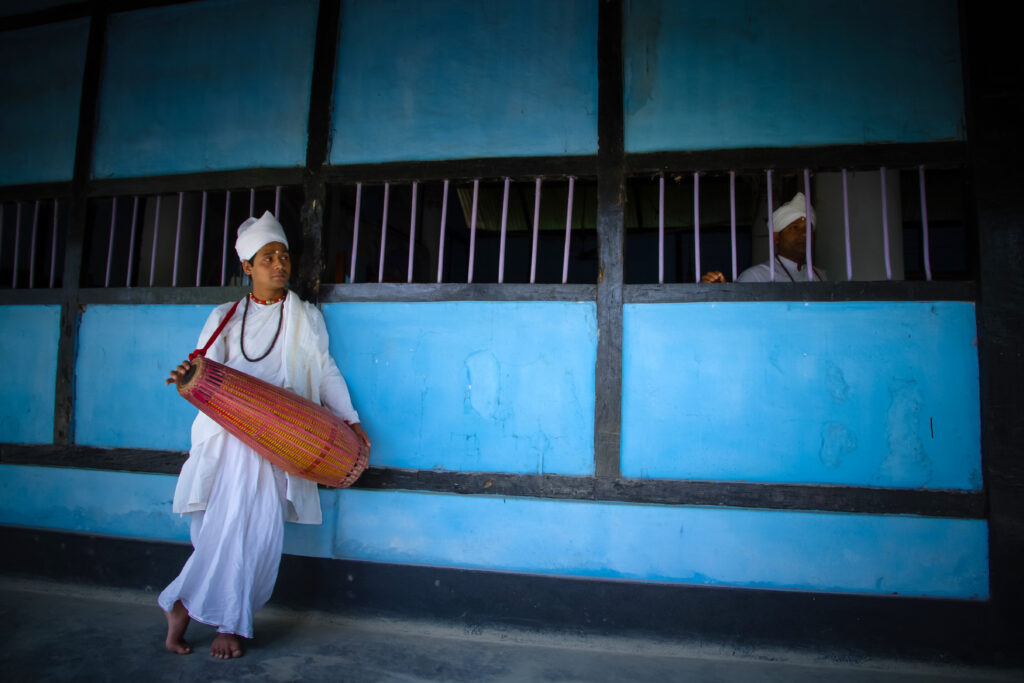
    The sattras — Majuli’s Neo-Vaishnavite monastic centers — have seen more than their share of erosion. But even when soil crumbles beneath prayer halls, the chants never stop. The Raas Mahotsav still lights the island in November, even if the stage shifts.

    This is not denial — it’s dignity. A choice to stay rooted, not because it’s easy, but because it’s essential.
    What Travelers Often Miss

    Most visitors arrive for the ferry ride, the monks of Auniati, the mask-makers of Samaguri, or the Raas festival. But they miss the real story: the one unfolding quietly along the riverbanks.

    They miss the lines redrawn with bamboo poles after every flood. The woman planting mustard on land that might be gone in two years. The youth group filling sandbags where roads once were.

    Majuli is not a postcard. It’s a practice in persistence.

    Land in Disappearance, Culture in Continuum

    More than one-third of Majuli has been swallowed by the river in a single century. And yet, the community continues: Boats are carved. Fields are sowed. Festivals are held. Songs are sung.

    Culture, here, isn’t fragile. It’s the anchor.

    In a world that tells people to move for convenience, Majuli stays for belonging. And that continuity — of culture, care, and community — needs to be seen, heard, and supported.

    Where You Step, Matters

    You can’t stop erosion. But your steps can slow the damage.

    As a traveller, you can:

    • Choose homestays that recycle water and avoid fragile shorelines.
    • Say no to plastic — every discarded wrapper hastens loss.
    • Don’t just post, participate — join tree-planting, fishing days, or mask-making.
    • Ask before you act — the land is sacred and layered with meaning.
    • Support local artisans — your purchase may help someone stay instead of migrate.
    • Travel off-season — to spread income beyond festival peaks.

    Even more than help, what Majuli needs is your attention — unfiltered, unhurried, and real.

    The Prayer That Floats

    During Raas Purnima, the island glows with small leaf-boats floating on the river — each carrying a lamp and a prayer. A local schoolteacher said, “We send light not to stop the river, but to remind it — we’re still here.”

    Beyond Hashtags — How You Help

    Majuli doesn’t need pity or saviours. It needs witnesses who act.

    Responsible tourism isn’t about guilt — it’s about gratitude. For being let in. For being trusted. For being given stories to carry home.

    Every time you refill instead of buying plastic, skip a hotel for a home, or share the story behind the smile — you do more than travel. You protect.

    Small choices, made repeatedly, create change that doesn’t shout — but stays.

    Know Before You Go

    • Best time: October to March, but off-season visits are more impactful.
    • Stay: Eco-conscious homestays in Garamur, Samaguri, or Auniati.
    • Ask locals: Let them show you erosion sites, not just tourist spots.
    • Be gentle: Avoid drones, plastics, and disrespectful questions.
    • Listen more: This is a place where silence often says more.
    Majuli may disappear on maps someday.
    But its soul — shaped by storms, prayers, and quiet choices — must not.

    When the earth cracks, they stay.
    Not to make a statement — but to make a home, again and again.

    The question is: when we travel, will we choose to care? Because care is where change begins.

    You don’t need to be many to make a difference. You just need to not look away.”

  • Majuli the Island of Living Culture

    Majuli the Island of Living Culture

    Majuli doesn’t try to dazzle. It draws you in quietly — with its river-wrapped calm, its rituals that are not performances but parts of everyday life, and its people who carry centuries of knowledge without spectacle. Located in the heart of the Brahmaputra, Majuli is the world’s largest inhabited river island and one of Assam’s most meaningful cultural landscapes.

    A River Island That Breathes Slowly

    Reaching Majuli itself sets the tone. The ferry from Nimati Ghat takes you across the vast Brahmaputra where the sky touches water and the line between river and land fades. You won’t hear honks or engines on the island. Instead, you’ll notice the wind in the paddy fields, the hum of weaving looms, and the quiet footfall of monks walking barefoot to the Sattra.

    There’s no rush here — because time doesn’t sprint in Majuli. It lingers.”

    The Heartland of Satra Culture

    Majuli is the birthplace of the Neo-Vaishnavite movement started by 15th-century reformer Srimanta Sankardev. His teachings live on in the Satras — monastic institutions that are spiritual, cultural, and artistic centres. These aren’t tourist attractions but functioning communities where tradition is practised as daily life.

    Visit Auniati, Kamalabari, or Dakhinpat Satra and you might find monks preparing for Ankiya Naat (traditional one-act plays), making Xatriya masks out of bamboo and clay, or teaching Satriya Nritya — Assam’s classical dance form. Boys as young as six learn these sacred arts not for stage lights, but as expressions of devotion and heritage.

    Pottery Without Potter’s Wheel

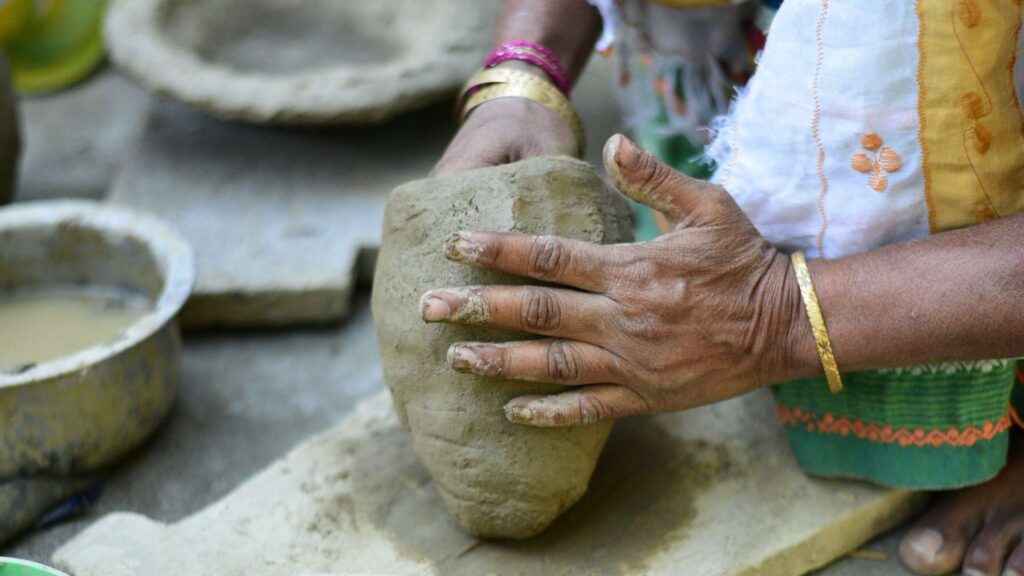
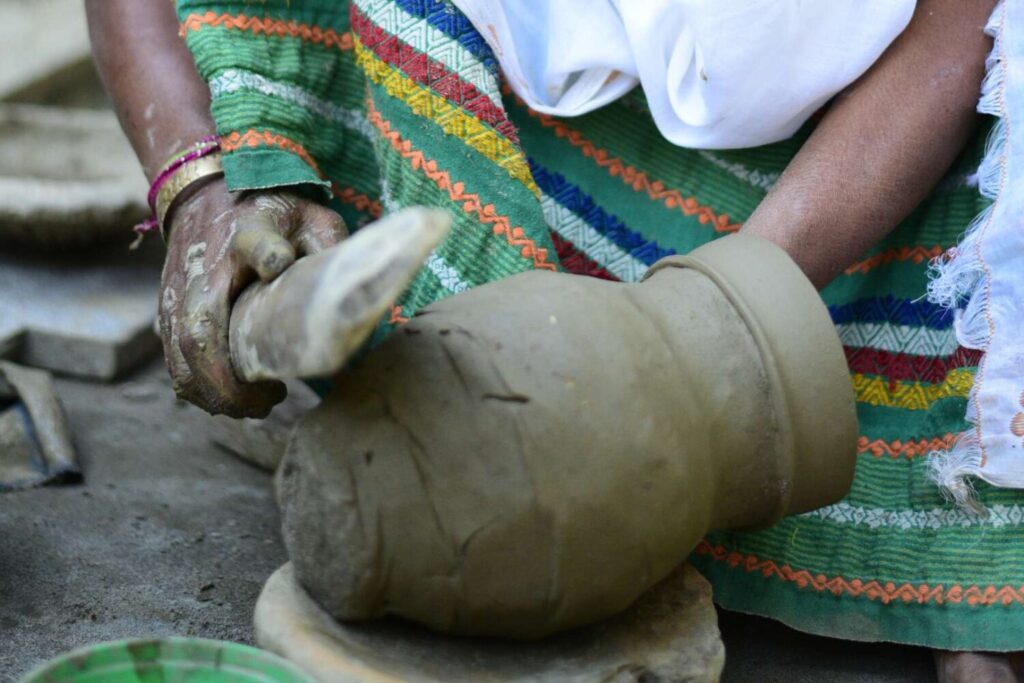
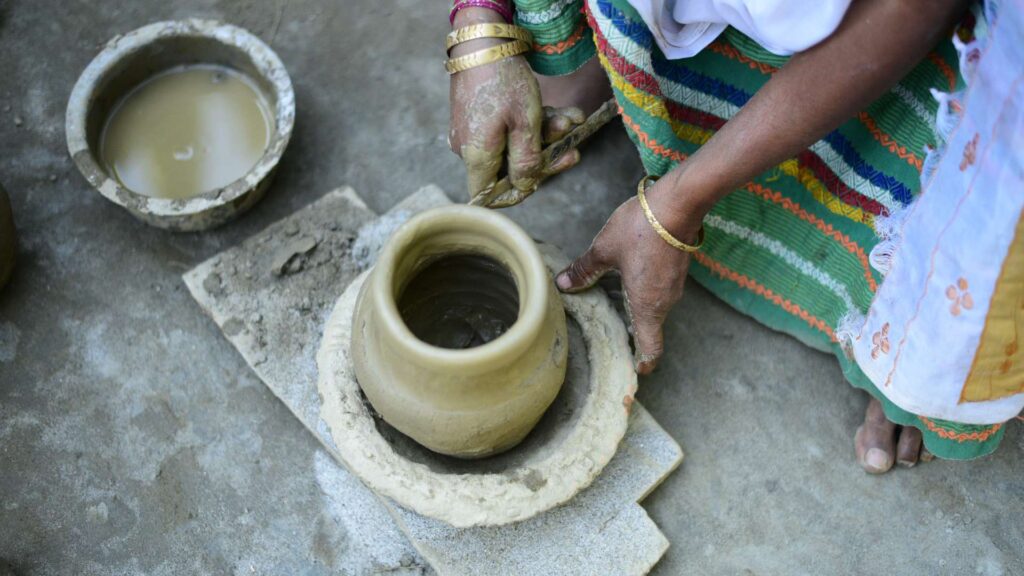
    In Salmora, on the southern edge of the island, women still make pottery using only their hands — no potter’s wheel. The knowledge passes from mother to daughter. Pots are shaped from local clay, dried in the sun, and fired with rice husk.

    One woman explained, “The clay knows the rhythm. We don’t measure. We remember.” These pots are still sent downriver to the towns and villages of Assam, just as they have been for generations.

    A Day Moves Like a Story

    Wake up in a bamboo cottage in Garamur. Have rice, boiled vegetables, and black tea with jaggery. Walk past the mustard fields to a sattra courtyard where the monks are sweeping the ground in silence. A child sells roasted peanuts at the riverbank. By dusk, the local fisherman returns with his net, and the homestay owner reads from an old text under a solar lamp.

    Nothing asks for your attention, yet everything holds it.”

    Craft That Carries Legacy

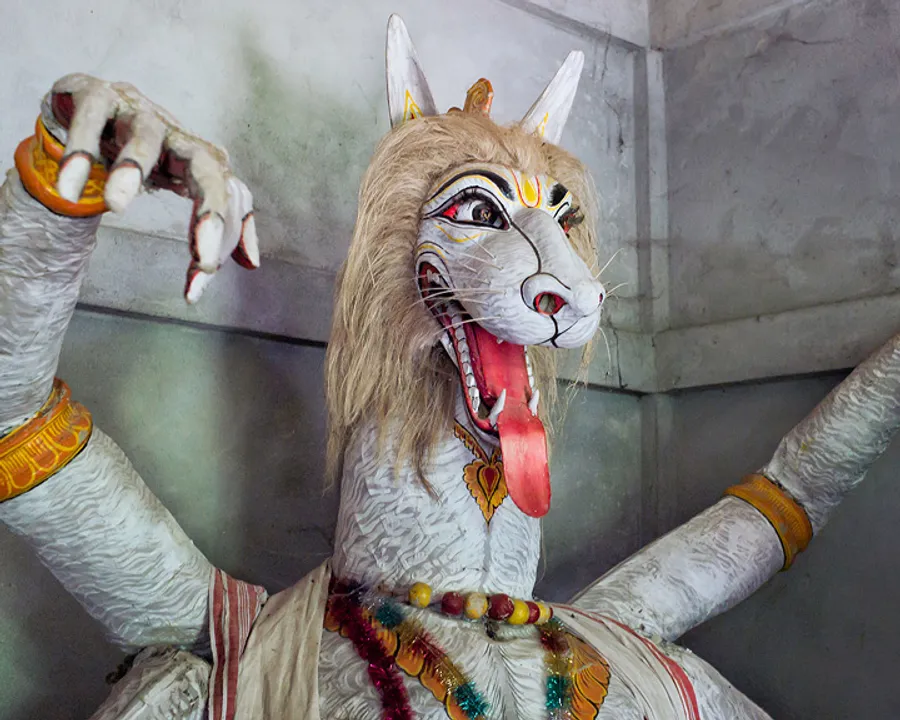
    Chamaguri village is a living gallery of Majuli’s renowned mask-making tradition. Artisans here use layered bamboo, cloth, and clay to create expressive faces used in religious dramas and cultural festivals. These masks are not souvenirs — they are sacred objects, representing mythological figures and moral themes.

    What’s unique is that children grow up in this tradition. Each home is part studio, part classroom. You don’t learn just how to paint a face, you learn what the face means.

    Know Before You Go

    • Getting There: Take a ferry from Nimati Ghat (20 km from Jorhat). Ferry timings depend on the season and water levels.
    • Stay: Homestays in Garamur and Kamalabari offer local hospitality. Choose bamboo cottages over concrete hotels for a real sense of the island.
    • Best Time: October to March, especially during Raas Mahotsav, when the island celebrates Krishna with elaborate plays and rituals.
    • How to Explore: Rent a cycle or walk — distances are short, and you’ll discover more between the places than at them.

    Some journeys teach you something new. Majuli reminds you of what you already knew but had forgotten.”

  • Majuli: Where the River Breathes Culture

    Majuli: Where the River Breathes Culture

    Set within the sprawling arms of the Brahmaputra, Majuli is the world’s largest inhabited river island — but to call it just that is to miss its essence. It is a cultural reservoir, a spiritual anchor, and a living island of traditions, flowing gently with time. In Majuli, the river doesn’t just pass by — it sculpts faith, art, and identity.

    The Pulse of the Island

    Life here moves with the water. Locals rise with the mist, navigating handmade canoes to the banks. There’s no skyline of steel, yet the sky itself holds more — from rice fields to ferry rides, temple bells to folk laughter. Every lane is a story, every house a shrine to community.

    Satras – The Soul of Majuli

    Dating back to the 15th century, Majuli’s Satras (Vaishnavite monasteries) are more than sacred spaces — they are schools of thought, discipline, and storytelling. Founded by Srimanta Sankardev, these institutions nurture classical Sattriya dance, traditional manuscript painting, and devotional music.

    Visit Auniati Satra, Kamalabari Satra, or Dakhinpat Satra to understand how rituals meet rhythm. Here, monks become artists, and devotion is performed, not preached.”

    Masks, Myths & Mising Wisdom

    In Samaguri Satra, artists handcraft masks used in Bhaona — theatrical retellings of Hindu epics. These masks aren’t decorative; they are vessels of mythology. Made from bamboo and cow dung paste, they’re lightweight, detailed, and soulful.

    The Mising community, with their elevated homes and handwoven mekhela sador, live close to the river’s temperament. Their traditions — including Apong (rice beer) brewing and seasonal fishing — embody resilience born of coexisting with a shifting landscape.

    Erosion, Impermanence, and Urgency

    Majuli loses land every year due to riverbank erosion. Despite this, its people hold on — not out of denial, but dignity. As a traveler, it’s important to respect this fragility. Avoid plastic, support local artisans, and choose responsible operators who understand the pulse of the place.

    Visiting Majuli isn’t about sightseeing. It’s about understanding how land, water, and memory intertwine. It’s about sharing a meal with a host, watching dusk fall over a monastery courtyard, or simply standing still while the island reveals its soul. Majuli is a meditation in motion — a floating testament to how culture thrives even when land disappears. Come not to consume, but to connect. You’ll leave with more than memories; you’ll carry a part of the river’s wisdom with you.

    Some lands are not meant to be mapped, but remembered — like a rhythm, like a prayer, like a river.”