Category: Jowai

  • The River That Waited

    The River That Waited

    In the highlands of West Jaintia Hills, Jowai sits quietly above the Myntdu River — a town where legends don’t fade with time; they age like old folk songs, sung in the hush of pine forests and beside flickering hearths. Here, stories are not distractions from life — they are the very bones of it.

    And among these, one story rises with the morning mist — the tale of the Myntdu River, a guardian spirit believed to be watching over the valley.

    “She waited for a wedding that never happened, and so, she keeps flowing, waiting for closure.”

    -an old storyteller whispers.

    The River’s Vow

    Locals say that Myntdu is not just a river; she is a sentient spirit. She watches everyone who enters the valley, flowing around Jowai like an ancient sentinel. According to legend, if anyone pollutes her waters or harms the forests along her course, the river will rise — not in anger, but in sorrow.
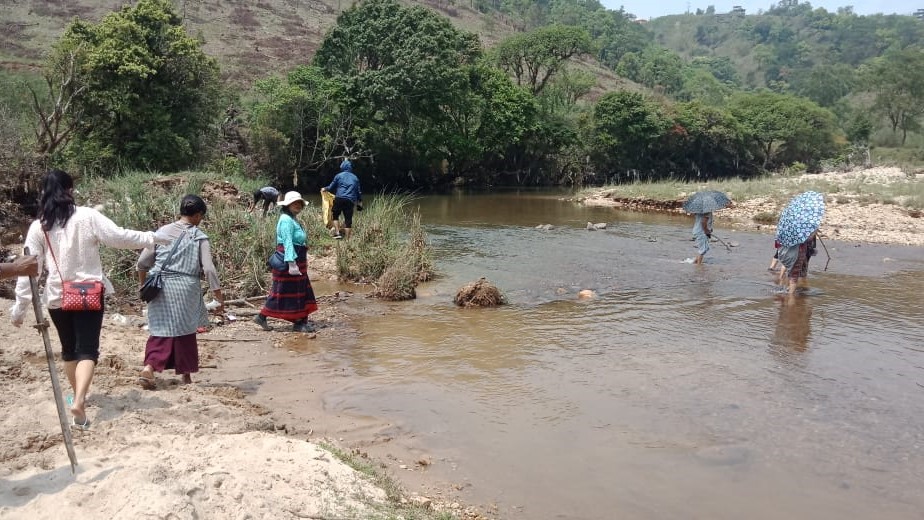
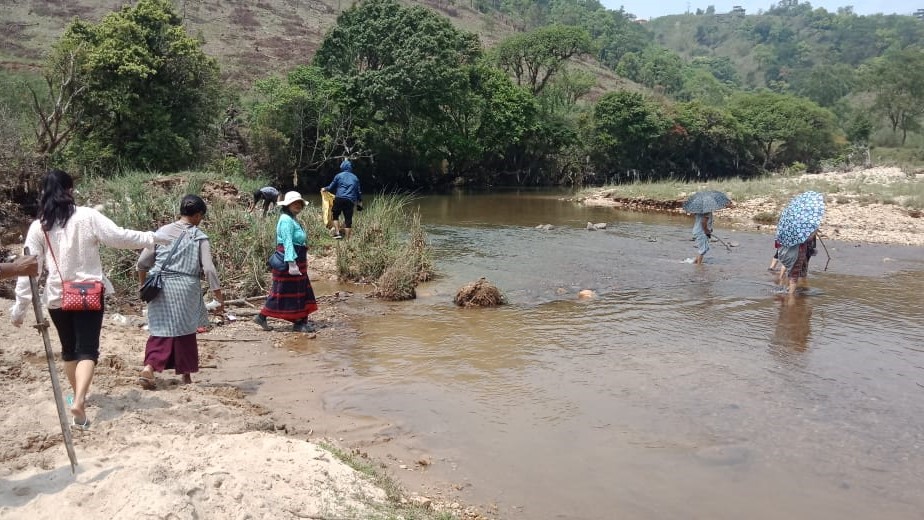
    Routine cleaning of The Myntdu River by the locals

    This myth is not just bedtime poetry — it has shaped how the Jaintia people interact with nature. Fishing is done seasonally, festivals often start with offerings to the river, and even children are taught to greet the river before splashing into her arms.

    Sacred Stones and Whispering Pines

    Beyond the river, Jowai is scattered with sites that hold mythological importance:

    • Nartiang Monoliths:
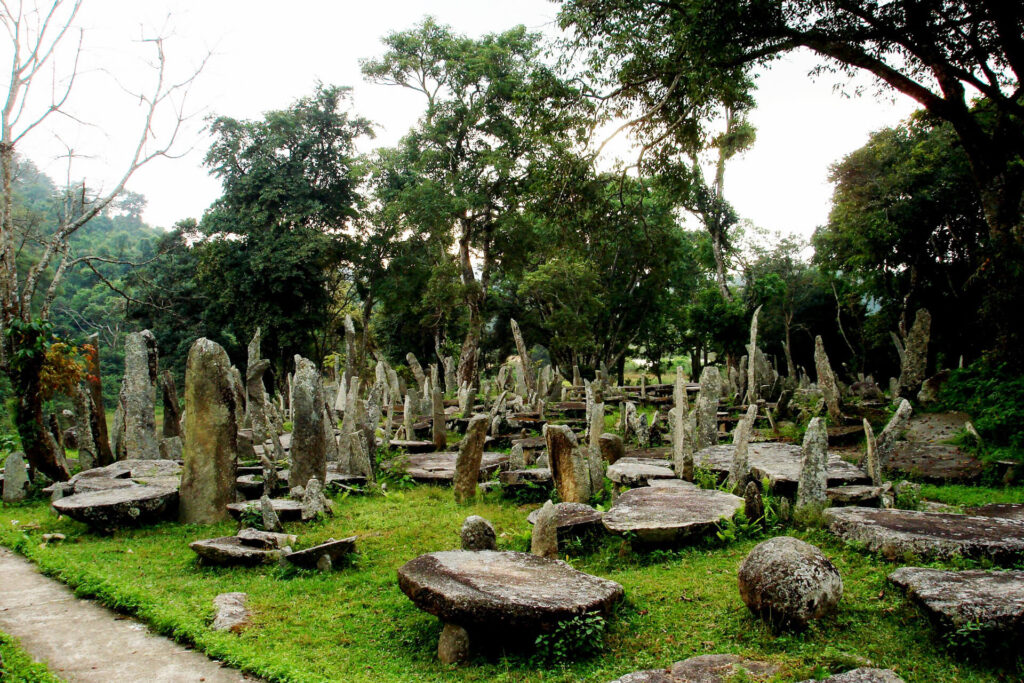
      A short drive from Jowai brings you to this field of giant stone menhirs and dolmens — said to be raised by ancient warriors and kings. Some locals believe they were once living guardians, turned to stone to protect the land for eternity.
    • Thlumuwi Stone Bridge and Falls:
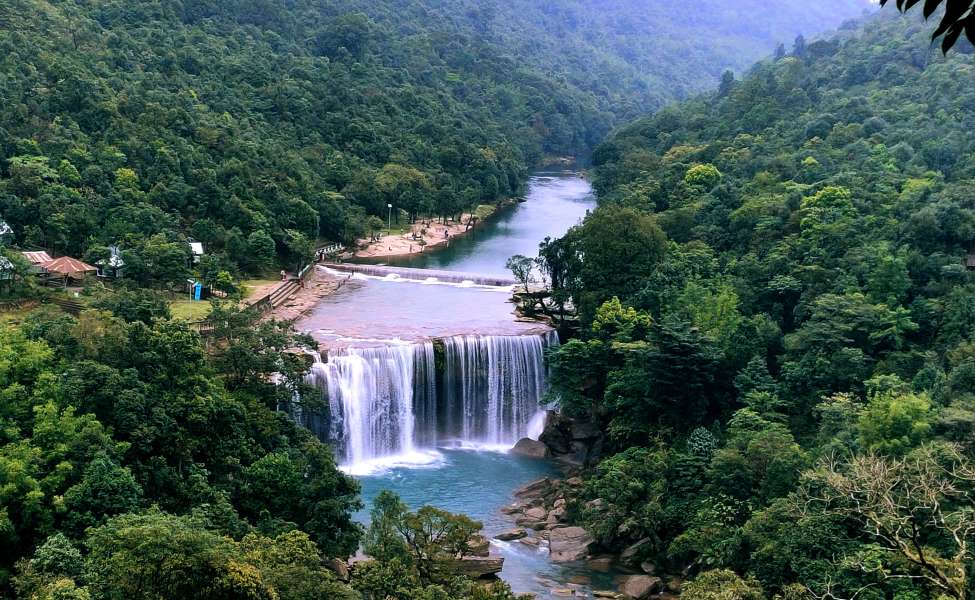
      Built by Jaintia kings, this bridge is not just architectural pride but part of royal folklore. It is said that a royal couple once exchanged vows here, with the river promising to bear witness forever.
    • Syntu Ksiar – The Flower of Gold:
      A riverbank area in Jowai that commemorates Kiang Nangbah, a local freedom fighter. Legend says he carried the spirit of the Myntdu river in him — strong, silent, and defiant.

    Snippets from the Valley

    • Pine Needle Smoke:
      Villagers use dried pine needles as fire starters. The smell clings to woolen shawls and stories alike.
    • Midnight Drummers:
      During some harvest celebrations, you may hear drums deep in the forest — not played for an audience, but for ancestors.
    • Water That Whispers:
      It’s said that if you sit quietly by the river at dusk, you’ll hear her hum — a melody only those who listen without speaking can hear.

    Know Before You Go

    • Best time: November to February for clear skies and local festivals.
    • Stay: Guesthouses near Ialong Eco Park or local homestays around Thadlaskein Lake.
    • Local tip: Always ask before photographing elders or sacred spaces. Respect isn’t requested here — it’s expected.

    Jowai doesn’t just preserve its legends — it lives them. Whether it’s a whisper in the woods or the shiver of a river at dawn, the town reminds us that myths aren’t dead — they simply wait for someone who listens like they mean it.

    Some places echo with noise; others hum with memory. Jowai hums.”

  • Stories Flow Beneath the Surface

    Stories Flow Beneath the Surface

    Jowai, the heart of the Pnar people in Meghalaya’s West Jaintia Hills, is known for its tranquil charm — but beneath the stillness, there are stories layered like the riverbed of Myntdu. The locals say the river listens. It hears everything: prayers whispered into the wind, songs sung from betel-stained lips, the language of forests carried by bamboo flutes.

    This isn’t a place that explains itself. It invites you to stay long enough until the patterns reveal themselves.

    Ancestral Altars and Everyday Life

    Jowai isn’t frozen in the past — but its traditions breathe through daily life. In small courtyards, families light fires near monoliths for private rituals. Grandmothers recount legends of U Sajar Nangli while weaving cane baskets. There’s no ceremony to it. Culture is not performance here — it’s presence.

    Local Voices, Local Ways

    • The Weaver’s Wisdom:
      In Raliang village, a weaver says, “Our threads don’t follow fashion. They follow stories. Every motif has a meaning — it speaks of rain, harvest, or loss.”
    • Betel Nut Trails:
      All across Jowai, betel nut trees line paths and fields. They’re not just crops — they’re companions in rituals, offerings, and conversation.
    • The Rhythm of Rites:
      Traditional drumbeats at Niamtre ceremonies don’t seek an audience. They seek the ancestors. Outsiders are welcome, but not entertained — a distinction that makes all the difference.

    Interesting Insight: Myntdu is Sacred

    The Water Keeps the Memory”

    The Myntdu River is considered sacred by the Jaintia people. It is not just a water source — it is spoken to before rituals, crossed with care, and never disrespected. Some villages forbid washing clothes in it. The respect is not mandated — it’s inherited.

    A cleaning drive on the Mytundu River by the locals

    Know Before You Go: Travel Tips for Jowai

    • Getting there: About 65 km from Shillong by road. The drive winds through pine forests and waterfalls.
    • When to visit: Winter (Nov–Feb) for dry days, or monsoon (Jun–Sep) for misty magic and festivals.
    • Must-see: Tyrshi Falls, Thadlaskein Lake, Jowai market (especially on market day), Nartiang Monoliths.
    • Where to stay: Simple homestays around Jowai or nearby resorts toward Thadlaskein offer peaceful options.

    Jowai doesn’t unfold like a destination. It deepens like a conversation. One you may not fully understand, but one you’ll feel echoing long after the drive back.

    Not every journey shows you the world — some teach you how to listen to it.”

  • Jowai: Where Hills Echo with Harmony

    Jowai: Where Hills Echo with Harmony

    Nestled in the heart of the West Jaintia Hills, Jowai doesn’t scream for attention — it hums. Unlike its more tourist-trodden cousin Shillong, Jowai quietly cradles Jaintia culture, sacred lakes, limestone cliffs, and folk wisdom passed down through centuries. For those willing to slow down, Jowai offers a gentler, deeper experience of Meghalaya.

    The Spirit of the Jaintia Hills

    The Jaintia people carry a profound relationship with land, forest, and folklore. One can feel it at Syntu Ksiar, a riverside haven named the “Golden Flower.” Locals gather here for reflection, community events, and even political uprisings in the past. It’s not just scenic — it’s symbolic.

    Just outside town, the Thadlaskein Lake, steeped in legend and ritual, offers a view into the past where nature and faith intertwined effortlessly.”

    Music, Memory & Matriarchy

    Music isn’t performed here — it’s lived. The Tangmuri, a traditional wind instrument, often accompanies local ceremonies. Like the Khasis, the Jaintias follow matrilineal lineage, but their customs, dialect, and oral storytelling bring a unique rhythm to life.

    Walk through Jowai’s weekly market — not as a buyer, but as a listener. Every vegetable, herb, and fabric has a story.

    Beyond the Usual: What to Explore

    • Thadlaskein Lake: Believed to have been dug by a rebellious general, it still serves as a ritual site.
    • Durga Temple at Nartiang: One of the oldest in Meghalaya, where Hinduism meets tribal reverence.
    • Ialong Park: More than a viewpoint — it’s a sacred grove breathing centuries of eco-wisdom.
    • Stone Monoliths of Nartiang: Ancient stones standing tall, each a tale of power, pride, and protection.

    Living the Slow Life in Jowai

    To visit Jowai is to move at the pace of conversation and mist. Try fermented Jadoh, talk to weavers working with organic cotton, attend a village gathering, or simply sit by Myntdu River as it reflects the sky’s moods.

    When You Visit

    Respect silence. Let stories come to you. Some of the most powerful moments will be shared over a cup of kwai (betel nut) — if you’re invited, that’s a gesture of belonging.

    Some towns don’t raise their voice — they raise your understanding.”