Category: Homes & Hearths

  • Chandubi: Where Forests Whisper to Water

    Chandubi: Where Forests Whisper to Water

    Tucked at the foothills of the Garo-Khasi hills, Chandubi Lake is where Assam loosens its urban edges and settles into stillness. Formed after the 1897 earthquake, this natural lake is more than a scenic spot — it’s a living mosaic of forest, folklore, and indigenous life. Just 60 km from Guwahati, it’s a reminder that you don’t have to go far to step into a world that still listens to nature.

    A Lake with a Seismic Soul

    Chandubi was born of upheaval — created when the ground shook and a portion of land sunk to form this serene body of water. Today, the lake is a birdwatcher’s haven, its waters gently lapping against the edges of dense forest and small tribal settlements.

    It’s not commercial. It’s not curated. And that’s exactly the point.

    Meeting the Rabha Way of Life

    The villages around Chandubi are home to the Rabha tribe, known for their hospitality, bamboo architecture, and deep forest knowledge. Spend a day in a Rabha homestay and you’ll experience life stripped of pretense — morning meals of roasted yam and puffed rice, afternoons weaving or fishing, and evenings filled with quiet conversation and soft laughter.
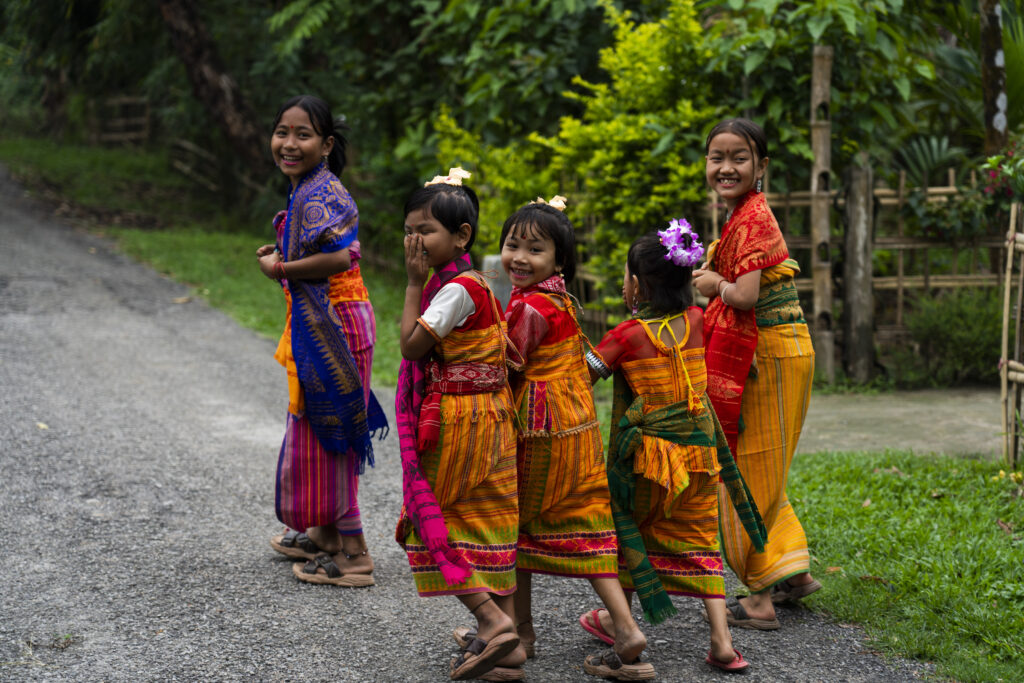
    They don’t perform culture here — they live it.”

    Walks, Canoes & Conversations

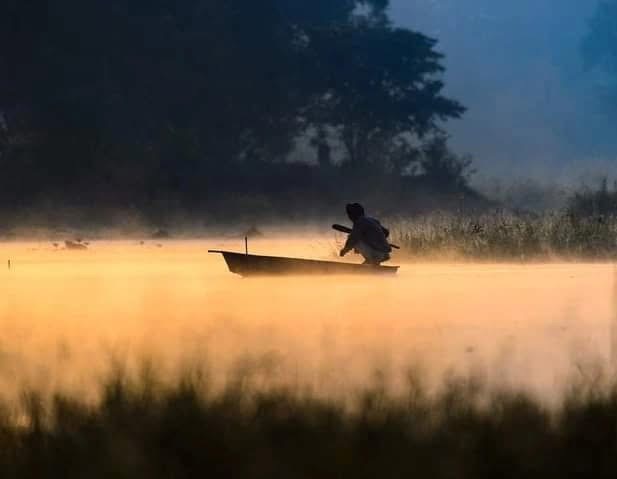
    There’s not a checklist of things to do at Chandubi, and that’s what makes it beautiful. Walks through the forest trails reveal medicinal plants, butterflies, and calls of hornbills. Take a canoe ride across the lake as the sun dips into orange. Or simply sit by the water and let stories come to you — from elders, from silence, from wind.

    Experiences to Hold Close

    • Canoe rides at dawn, watching mist rise off the lake.
    • Cooking with a Rabha family, learning about wild foraging and seasonal eating.
    • Guided forest walks with indigenous hosts who speak the language of the land.
    • Birdwatching, especially during winter when migratory birds visit the lake.

    A Word of Respect

    Chandubi thrives on simplicity. Skip the plastics. Walk instead of rev. And ask before you click. This place is not a backdrop — it’s a home. Treat it with the gentleness it deserves.

    In Chandubi, the stillness speaks louder than the city ever could.”

  • Menchuka: Where Mountains Whisper and Monasteries Listen

    Menchuka: Where Mountains Whisper and Monasteries Listen

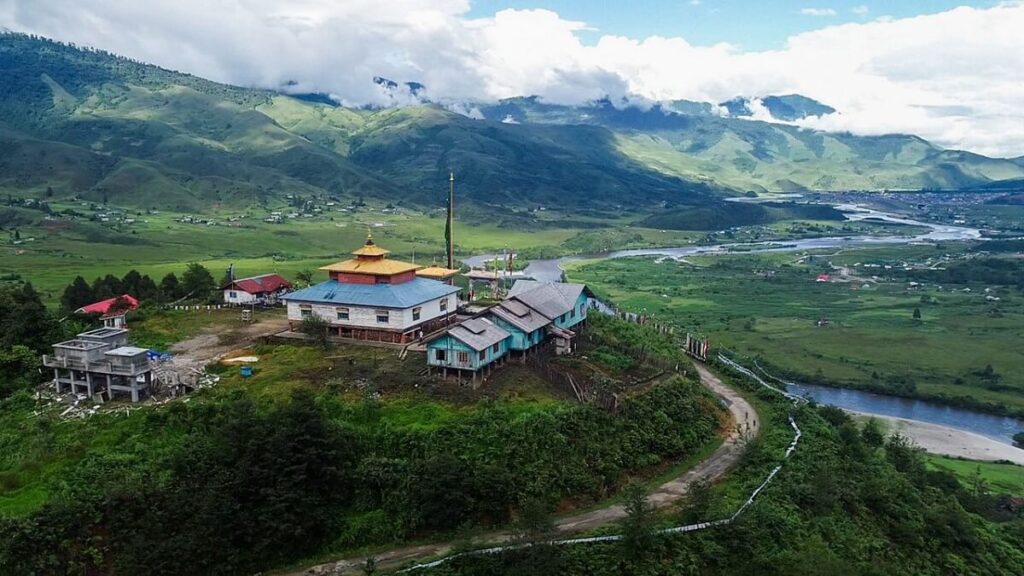
    Cradled in a remote corner of Arunachal Pradesh, Menchuka is not just a place on the map — it’s an experience that holds stillness like a secret. With snow-capped peaks brushing the horizon and the Siyom River cutting a gentle rhythm through the valley, Menchuka invites travelers not to rush, but to listen.

    A Valley Wrapped in Time

    Menchuka, often described as the “Forbidden Valley,” was once accessible only by foot or air. Even today, the long road journey here feels more like a pilgrimage than a trip. Along the winding drive, landscapes unfold from alpine forests to windswept grasslands, resembling a Himalayan dream untouched by tourist noise.

    This seclusion isn’t just geographical — it’s cultural. The Memba people who inhabit Menchuka follow Tibetan Buddhism, and their lives are still deeply rooted in traditional ways. You’ll find prayer flags fluttering over wooden homes, yaks grazing near age-old gompas, and locals who greet you with quiet warmth.

    Of Monasteries and Memory

    The 400-year-old Samten Yongcha Monastery — older than Tawang Monastery — is Menchuka’s spiritual heart. Perched on a hill, it’s not just a structure, but a keeper of stories and silences. The chants here echo through the valley, reminding you that some places are meant to be felt, not photographed.

    There’s also the newer Guru Nanak Taposthan, marking the site where Guru Nanak is believed to have meditated. It’s a powerful symbol of Menchuka’s lesser-known interfaith legacy, where Buddhism, Sikhism, and animistic beliefs have coexisted without tension.

    Flavours of Simplicity

    Menchuka’s food isn’t elaborate — it’s comforting and honest. Think of warm thukpa made from local grains, yak meat slow-cooked with Himalayan herbs, and momo platters shared over conversations that need no translation. Many guesthouses serve home-style meals that nourish you after a long walk or a riverside amble.

    Experiences to Embrace

    • Walk through the wooden villages of Dorjeeling and Singbir, where each house tells of resilience in cold winters and long traditions.
    • Join a local during Losar, the Tibetan New Year, if your visit aligns — it’s a festival of community, colour, and prayer.
    • Stargaze without light pollution — the valley’s remoteness offers skies freckled with stars that city eyes have forgotten.

    Travel Gently

    While Menchuka is welcoming, it’s fragile. The ecology is pristine, and the culture, though resilient, is sensitive to change. Bring mindfulness. Pack light, respect homestay rules, and remember that your presence leaves footprints — visible and invisible.

    Not all silence is empty — some places echo with stories too old for words.”

  • Where Borders Blur: A Glimpse into Longwa, Nagaland

    Where Borders Blur: A Glimpse into Longwa, Nagaland

    Perched high in the Mon district of Nagaland, Longwa is a village unlike any other. Here, geography bends to the rhythm of culture — quite literally. The house of the Angh (village chief) famously straddles the international border between India and Myanmar. Sit on one end of his porch and you’re in India, swing your legs to the other and you’ve stepped into Myanmar — no passport needed, just a respectful heart.

    The Konyaks: Warriors, Woodcraft, and Warmth

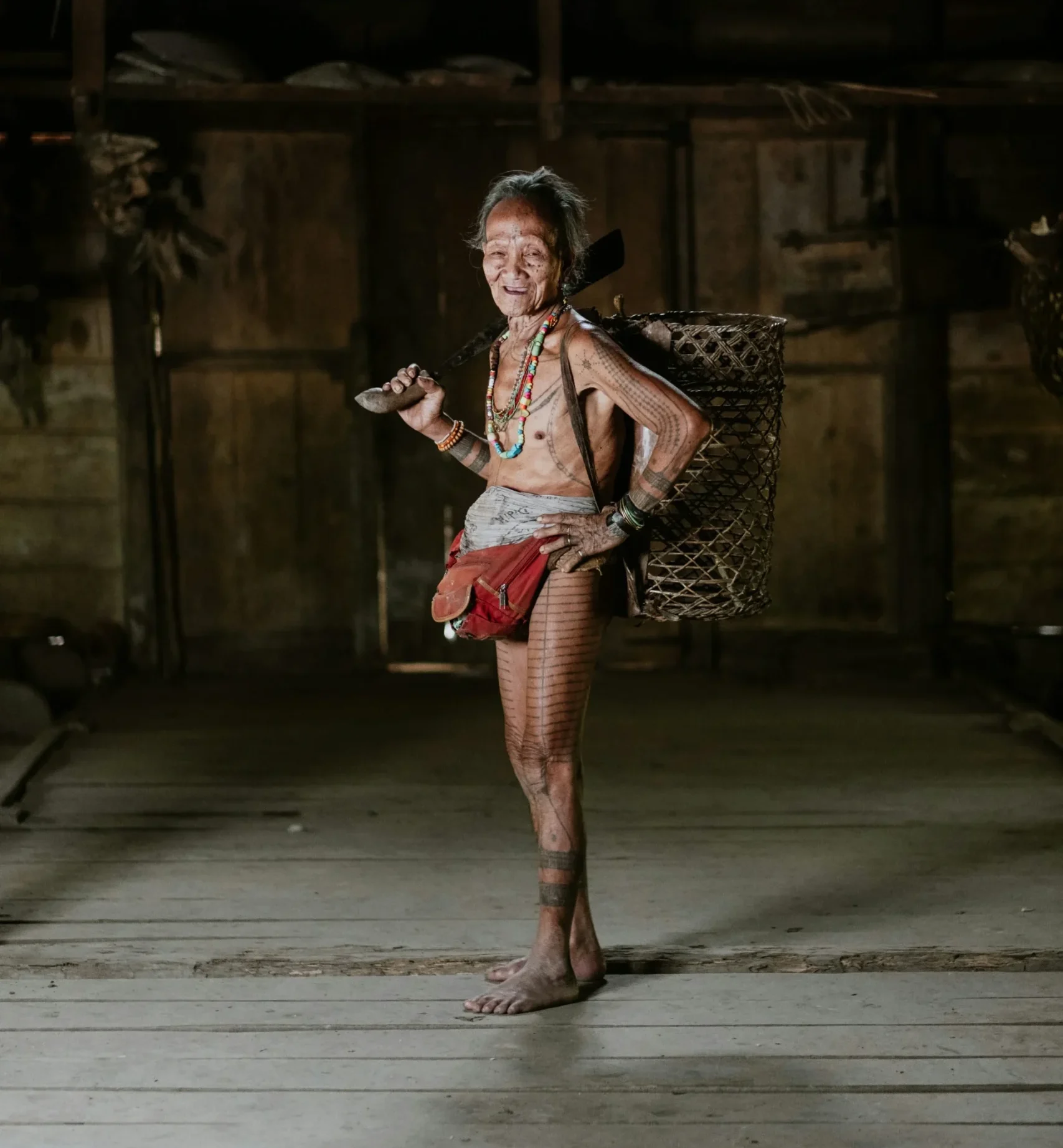
    Longwa is home to the Konyak Nagas — once fierce headhunters, now fierce preservers of heritage. Their tattoos, etched in deep indigo across faces and torsos, are not just body art but chronicles of valor, rites of passage, and ancestral pride.

    Today, these same hands — once used in tribal warfare — carve intricate woodwork, shape guns by hand (yes, still), and tend to fields stretching into the horizon. As tourism grows, some men still wear their traditional ornaments, not for show, but for the pride of being seen — as Konyak.

    But Longwa’s real uniqueness isn’t in this novelty. It’s in its people.”

    Life in a Village that Knows No Borders

    There are no immigration checks in Longwa. The village lives between two countries but inside one rhythm. The local dialect, Konyak, is spoken fluently on both sides. Children attend school in India, but often visit family in Myanmar by afternoon.

    Electricity is sporadic, but the warmth of human connection here is constant. Meals are shared, stories are passed over firewood, and even as concrete tries to enter, bamboo still holds the soul of the homes. Connectivity might be low, but community isn’t.

    Ethical Curiosity: What it Means to Visit Longwa

    Longwa invites curiosity, but it demands care. This isn’t a tourist site to “check off.” It’s a living, breathing community shaped by shifting geopolitics, history, and a powerful sense of place.

    If you go, speak less and listen more. Buy local handicrafts without bargaining, ask before photographing elders, and remember — the best souvenir from Longwa isn’t a trinket, but the stories you carry home.

    Not all borders divide. Some simply remind us how connected we already are.”