Category: Crafted by Hand

  • Listening to the Edges in Menchuka

    Listening to the Edges in Menchuka

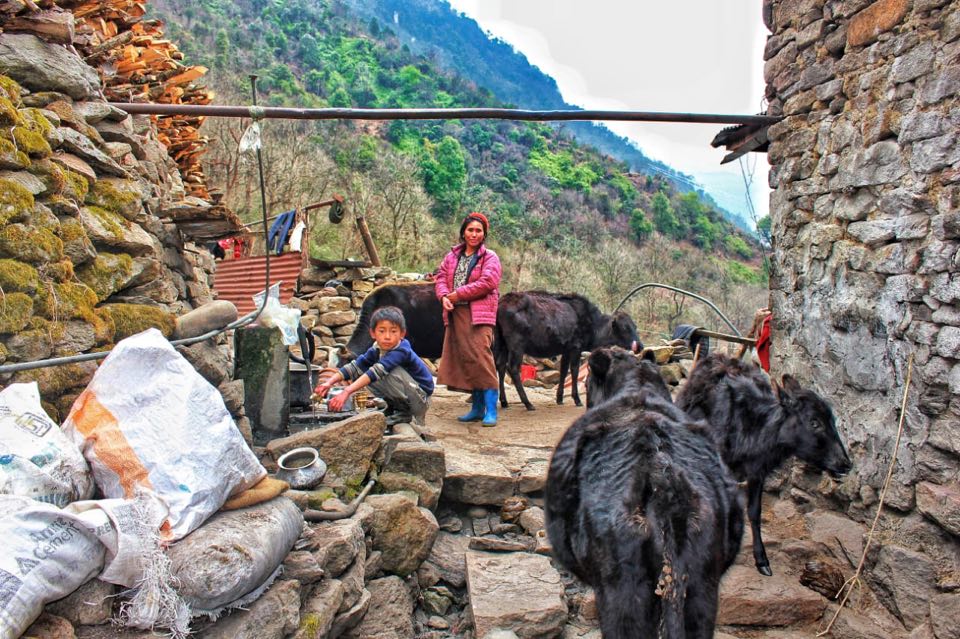
    Far in the folds of Arunachal Pradesh, where the land becomes hush before turning into Tibet, sits Menchuka — a small town that doesn’t rise like a destination but settles like a revelation. Surrounded by pine-clad hills, slivers of blue rivers, and quiet military roads, Menchuka balances solitude and surprise like few places can.

    The name ‘Menchuka’ loosely translates to “medicinal water of snow” — and the place lives up to it. Clean, high-altitude air. Springs that trickle with silence. Paths that lead not to landmarks but to feelings — of distance, resilience, and welcome.

    Alo People and Their Everyday Grace

    Menchuka is home to the Memba tribe, and nearby, to the Adi and Tagin communities. Here, hospitality isn’t a gesture — it’s woven into the daily rhythm. You’ll be invited in not with grand gestures, but with butter tea, laughter, and warmth that fills more than your hands.

    Traditional houses made from wood, stone, and bamboo overlook fields of barley and maize. Monasteries dot the hills, and in their prayer flags, the breeze carries centuries of quiet faith. Local kids play barefoot with sticks as cricket bats. Dogs bark at the wind, not at strangers. There’s no urgency to perform — and that’s what makes it beautiful.

    A Village Framed by Borders, Held Together by Belonging”

    Between Army Camps and Apple Orchards

    Menchuka stands close to the Indo-Tibet border — and the presence of the military is unavoidable. Yet, it doesn’t overshadow life; it blends in. Soldiers wave at locals, help repair bridges, buy from village stores. It’s one of the few places where camouflage uniforms and monk robes share the same footpaths.

    Meanwhile, in September and October, apple trees heavy with fruit bend near monasteries. In winter, the same roads are blanketed in snow — and the silence becomes deeper, almost sacred.

    Three Unusual Observations from Menchuka

    • Handwoven Textiles with Personal Codes:
      Traditional dresses often contain symbols woven by the weaver to reflect their personal story or beliefs — not visible to all, but meaningful to those who know where to look.
    • Oral Mapping Instead of Signboards:
      Locals don’t give directions with “left” or “right” — they tell you to turn “after the house with three prayer wheels,” or “beyond the sleeping dog corner.” It teaches you to observe, not just follow.
    • Monasteries That Smell of Juniper and Books:
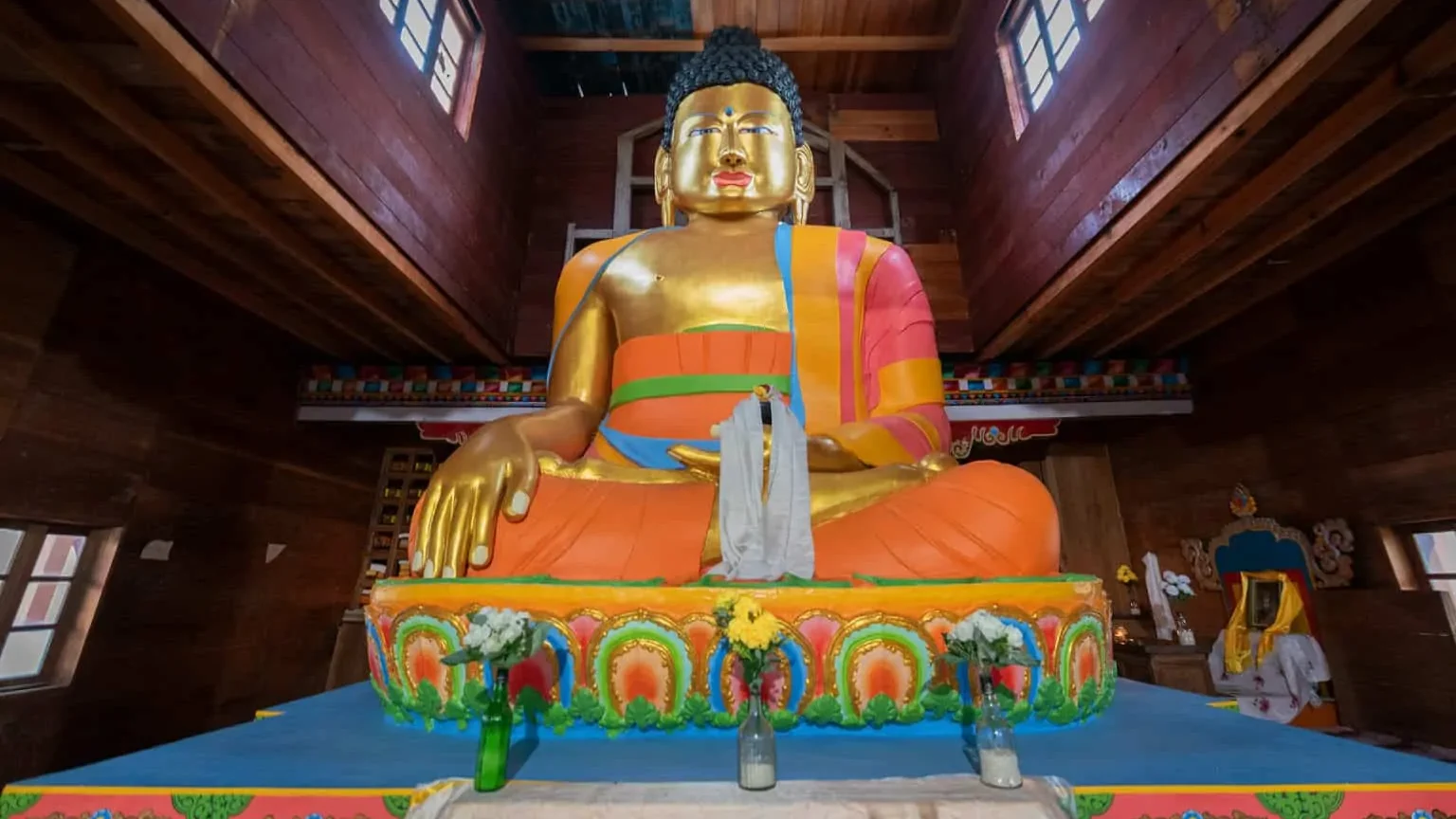
      The Samten Yongcha monastery, older than any map you’ll carry, welcomes you not with grandeur but with incense, dusty prayer books, and chants that don’t demand understanding — only attention.
    When in Menchuka, Remember…

    • Best time to visit: March to May for greenery and October for golden harvests.
    • How to reach: By road via Aalo (a long journey best done in stages), or by helicopter from Itanagar (weather permitting).
    • Where to stay: Local homestays are often run by teachers, farmers, or retired army men. You’ll leave with stories, not just receipts.
    • Don’t miss: The 400-year-old Samten Yongcha Gompa perched on a cliff, and an early morning walk by the Siyom River when the fog hasn’t fully left.

    Menchuka doesn’t try to impress you. It offers space — to reflect, to connect, to walk slow, and to feel small in a good way. The quiet here is not an absence, but a depth — where stories aren’t told loudly, but land gently in your memory.

    In places where the road ends, something else begins — in Menchuka, it’s the sound of stillness you’ll remember.”

  • Culture, Farming, and Apatani Tribe of Ziro

    Culture, Farming, and Apatani Tribe of Ziro

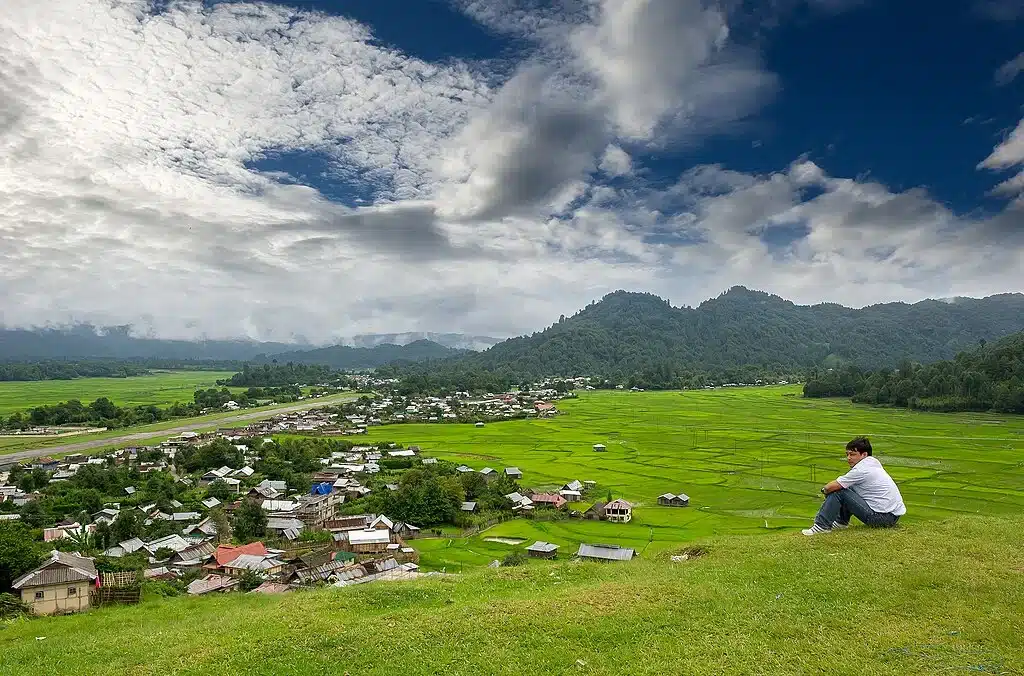
    Tucked amidst pine ridges and misty fields, Ziro in Arunachal Pradesh is not just scenic — it’s deeply lived in. The valley isn’t curated for visitors; it’s cultivated for its people. The Apatani community, who have been shaping this land for generations, follow a way of life rooted in sustainability, subtlety, and strength.

    Here, farming isn’t just labor — it’s knowledge. Walk past a Ziro paddy field and you’ll see fish swimming between rice stems — an ingenious paddy-cum-fish cultivation system that maintains soil fertility and food security without synthetic inputs. Not a technique invented in labs — but a practice born of patience and observation.

    A Landscape that Grows with Its People”

    The Apatani Way: Tied to Earth, Time and Memory

    Every home in Ziro feels like it belongs to the land. Made of pinewood and set on stilts, Apatani houses are often built by the family itself. Look closer at the woodwork, and you’ll find motifs — suns, birds, hornbills, spirals — symbols passed down generations. These aren’t decorative; they’re communicative, echoing stories of nature, protection, and identity.

    The older generation of women, with facial tattoos and cane nose plugs, carry a history both personal and political — a symbol of resilience from a time when cultural identity meant survival. Today, fewer youth continue this tradition, but the pride remains intact, alive in their festivals, songs, and daily rituals.

    Ziro’s Natural Quiet Isn’t Empty — It’s Full

    There’s something rare about Ziro’s silence. Not the absence of sound, but the absence of noise. You’ll hear footsteps on dry leaves, the whoosh of a bamboo swing, the echo of wood being chopped, the low hum of conversations between neighbours.

    Birdsong is a big part of this landscape. Ziro is part of the Important Bird Area network — a haven for birds like the rare Blyth’s Tragopan. But bird-watching here doesn’t feel like a tour — it feels like being let in on a quiet secret.

    Community First: Shared Work, Shared Joy

    In Ziro, most activities — from repairing roofs to planting fields — are collective. It’s not just about efficiency; it’s about spirit. During Murung, the major festival, villagers gather to bless harvests and honour ancestors. The celebrations are marked by ceremonial mithun sacrifices, songs that recount lineage, and feasts where every visitor is welcome — not just as a guest, but as someone to share with.

    Evenings here aren’t for nightlife. They’re for long walks, over meals cooked in bamboo tubes, and for watching fireflies settle into the forests.

    Travel Tip: Be Curious, Not Just Present

    • Getting there: Ziro is accessible by road via Naharlagun (nearest railhead) or Lilabari (nearest airport). Expect long, winding roads — and incredible views.
    • Best time to visit: March to May (for spring beauty), or September for the Ziro Music Festival.
    • Stay options: Opt for homestays that offer cultural immersion over luxury. Hosts are usually happy to share stories, food, and time — if you ask with interest.
    • What to bring: Walking shoes, rain protection, and an open mind.

    Ziro isn’t about what’s missing from urban life. It’s about what’s quietly endured — harmony with nature, respect for rhythm, and dignity in tradition. Spend a few days here and you don’t feel detached from the world — you feel reattached to something you may have forgotten.

    Somewhere between the hills and hands that tend them, Ziro reminds you how to be human again.”

  • Healing in the Highlands

    Healing in the Highlands

    A Landscape of Layers”

    Zemithang isn’t a place that announces itself. It unfurls — with cedar-scented winds, quiet prayer wheels, and the hush of mountains that keep their own counsel. Near the borderlands of Arunachal Pradesh and Bhutan, this Monpa village holds both isolation and invitation in equal measure.

    The roads may narrow as you ascend, but your perspective only widens.

    Where Wisdom Grows Wild

    In a shaded clearing beyond the cluster of houses, an elderly Monpa woman tends to a garden. Not of vegetables, but of remedies — wild mint for headaches, rhododendron bark for inflammation, and nettle roots for digestive woes.

    “Everything you need, the forest already knows,” she says gently, more as a passing thought than a lecture.

    You won’t find a pharmacy here. You’ll find a relationship — between people and place, where plants are not products but kin. Knowledge isn’t archived in books. It’s grown, gathered, and remembered.

    Between Borders, Beneath Belief

    The Gorsam Chorten — a serene, white-domed structure — watches over the valley like an old monk at rest. Locals say it mirrors the Boudhanath of Nepal. Pilgrims walk around it quietly, spinning prayer wheels not for spectacle, but out of habit, faith, and rhythm.

    There are few tourists here, fewer distractions. Just wind, flags, and footsteps. The border with Bhutan is close, but invisible. What’s more visible is harmony — of Buddhism, of animism, of generations walking the same slow paths.

    Snippets from Zemithang

    • The Courtyard Conversations:
      Women sit weaving yak wool by hand, talking about clouds as if they were gossiping about neighbors.
    • The School Without Bells:
      Children gather under a pine tree with a teacher who uses pebbles and parables in equal measure.
    • The Bridge Across Time:
      A rickety wooden bridge leads to a hamlet untouched by mobile signals — but rich in stories passed nightly by firelight.

    Know Before You Go: Travel Notes for Zemithang

    • How to reach: Take a private vehicle or shared sumo from Tawang town, passing through Lumla. The road is bumpy but worth every turn.
    • Stay: Family-run homestays offer traditional meals, wool blankets, and lots of quiet.
    • When to go: March to May or September to November — for flowers, festivals, and visibility.
    • Respect the place: Photography is welcome, but always ask. Some corners of life here are meant to be experienced, not archived.

    Zemithang is not on many maps — not emotionally, at least. But to walk here is to witness a way of life where healing is slow, silence is wise, and faith is not worn — it’s lived.

    Some places teach you to listen. Zemithang teaches you to listen without asking for answers.”

  • Majuli the Island of Living Culture

    Majuli the Island of Living Culture

    Majuli doesn’t try to dazzle. It draws you in quietly — with its river-wrapped calm, its rituals that are not performances but parts of everyday life, and its people who carry centuries of knowledge without spectacle. Located in the heart of the Brahmaputra, Majuli is the world’s largest inhabited river island and one of Assam’s most meaningful cultural landscapes.

    A River Island That Breathes Slowly

    Reaching Majuli itself sets the tone. The ferry from Nimati Ghat takes you across the vast Brahmaputra where the sky touches water and the line between river and land fades. You won’t hear honks or engines on the island. Instead, you’ll notice the wind in the paddy fields, the hum of weaving looms, and the quiet footfall of monks walking barefoot to the Sattra.

    There’s no rush here — because time doesn’t sprint in Majuli. It lingers.”

    The Heartland of Satra Culture

    Majuli is the birthplace of the Neo-Vaishnavite movement started by 15th-century reformer Srimanta Sankardev. His teachings live on in the Satras — monastic institutions that are spiritual, cultural, and artistic centres. These aren’t tourist attractions but functioning communities where tradition is practised as daily life.

    Visit Auniati, Kamalabari, or Dakhinpat Satra and you might find monks preparing for Ankiya Naat (traditional one-act plays), making Xatriya masks out of bamboo and clay, or teaching Satriya Nritya — Assam’s classical dance form. Boys as young as six learn these sacred arts not for stage lights, but as expressions of devotion and heritage.

    Pottery Without Potter’s Wheel

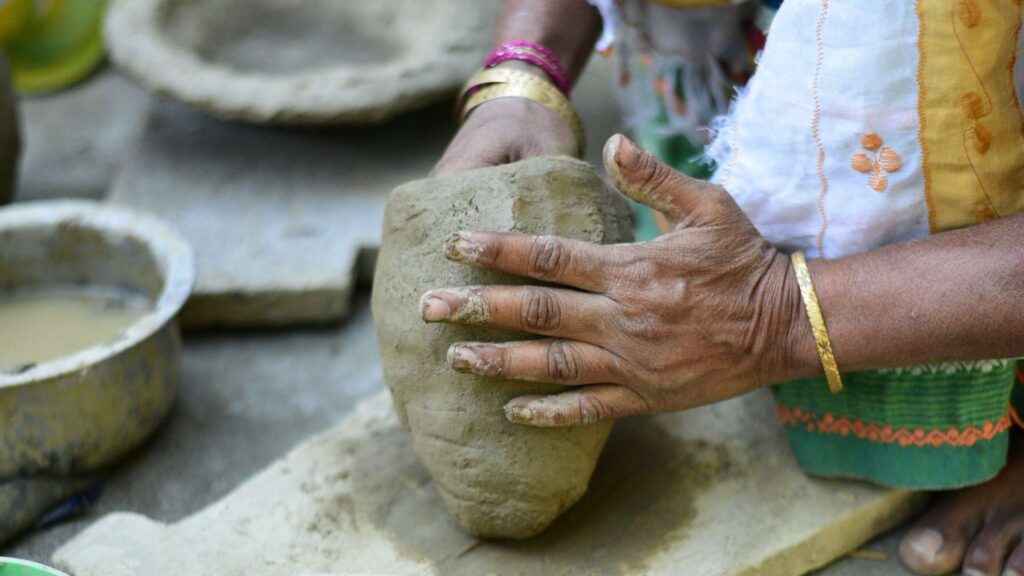
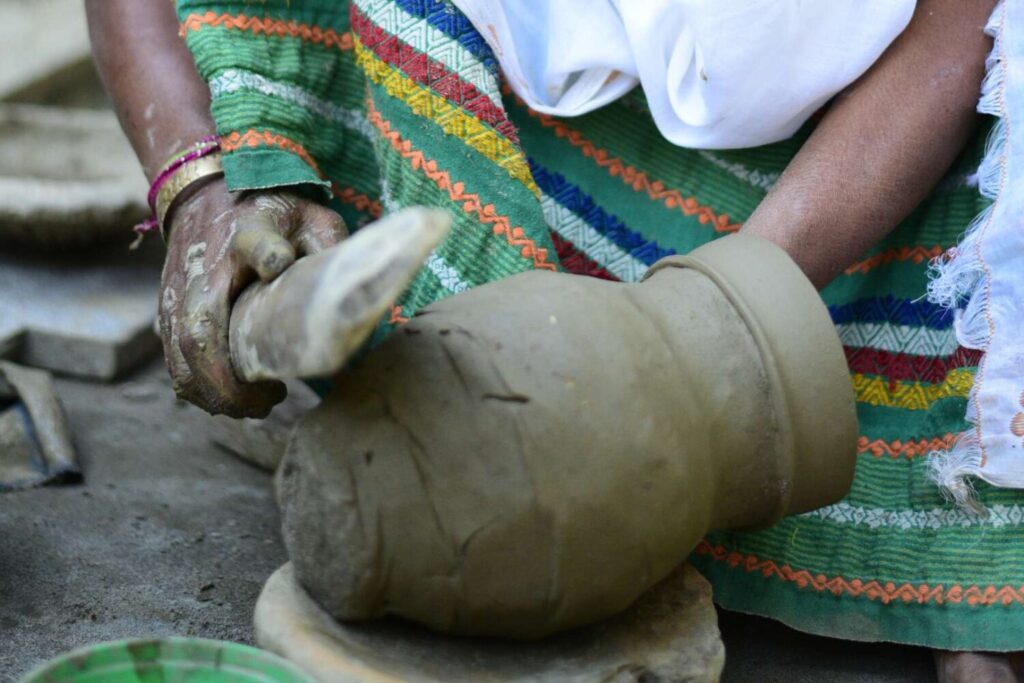
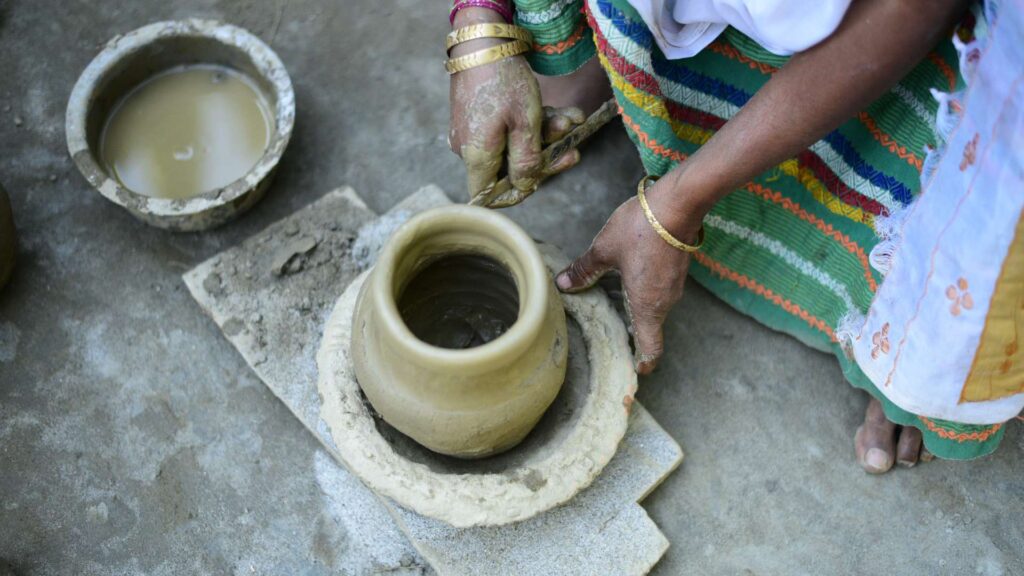
    In Salmora, on the southern edge of the island, women still make pottery using only their hands — no potter’s wheel. The knowledge passes from mother to daughter. Pots are shaped from local clay, dried in the sun, and fired with rice husk.

    One woman explained, “The clay knows the rhythm. We don’t measure. We remember.” These pots are still sent downriver to the towns and villages of Assam, just as they have been for generations.

    A Day Moves Like a Story

    Wake up in a bamboo cottage in Garamur. Have rice, boiled vegetables, and black tea with jaggery. Walk past the mustard fields to a sattra courtyard where the monks are sweeping the ground in silence. A child sells roasted peanuts at the riverbank. By dusk, the local fisherman returns with his net, and the homestay owner reads from an old text under a solar lamp.

    Nothing asks for your attention, yet everything holds it.”

    Craft That Carries Legacy

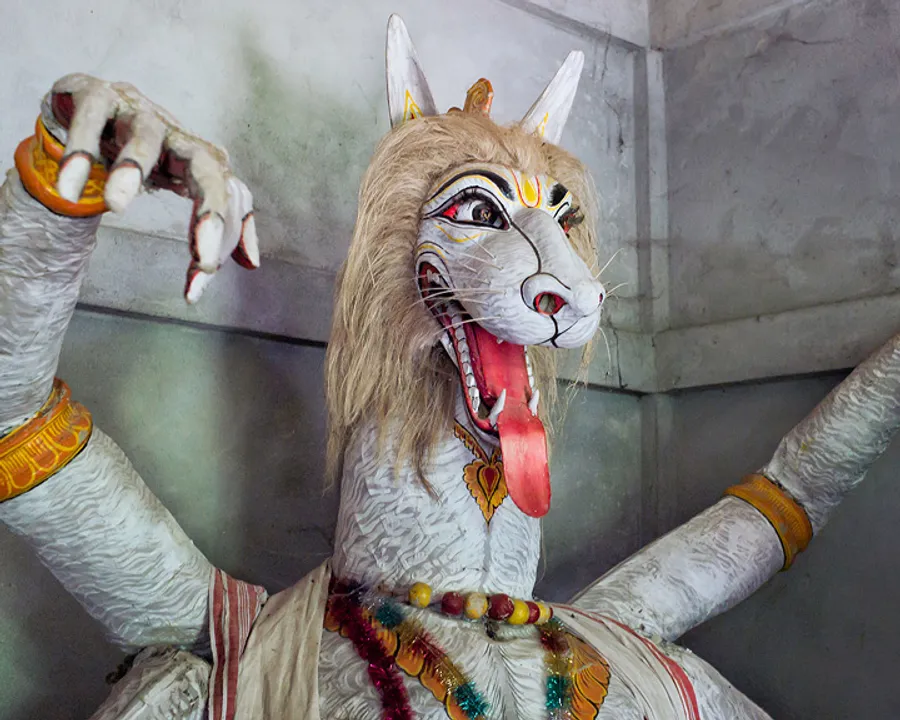
    Chamaguri village is a living gallery of Majuli’s renowned mask-making tradition. Artisans here use layered bamboo, cloth, and clay to create expressive faces used in religious dramas and cultural festivals. These masks are not souvenirs — they are sacred objects, representing mythological figures and moral themes.

    What’s unique is that children grow up in this tradition. Each home is part studio, part classroom. You don’t learn just how to paint a face, you learn what the face means.

    Know Before You Go

    • Getting There: Take a ferry from Nimati Ghat (20 km from Jorhat). Ferry timings depend on the season and water levels.
    • Stay: Homestays in Garamur and Kamalabari offer local hospitality. Choose bamboo cottages over concrete hotels for a real sense of the island.
    • Best Time: October to March, especially during Raas Mahotsav, when the island celebrates Krishna with elaborate plays and rituals.
    • How to Explore: Rent a cycle or walk — distances are short, and you’ll discover more between the places than at them.

    Some journeys teach you something new. Majuli reminds you of what you already knew but had forgotten.”

  • Shergaon: Where Orchards Bloom and Stories Breathe

    Shergaon: Where Orchards Bloom and Stories Breathe

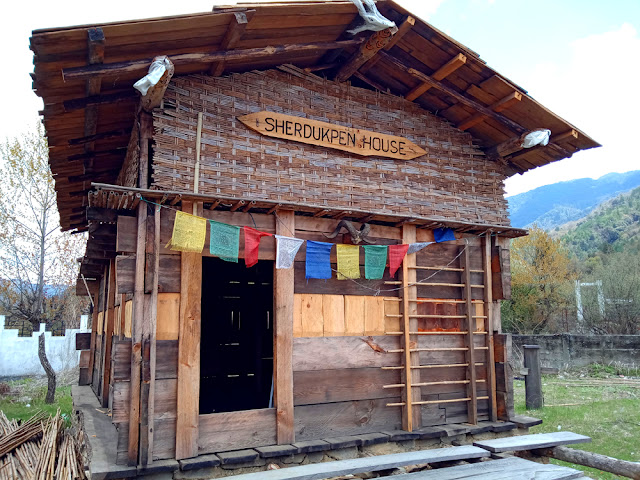
    Nestled in the westernmost folds of Arunachal Pradesh, Shergaon is a village that feels like a secret kept by the mountains. Home to the Sherdukpen tribe, this lush valley is a symphony of apple orchards, pine forests, handwoven textiles, and deeply held traditions that flow through every household like heirlooms.

    Shergaon isn’t just beautiful — it’s composed. It offers a way of life that is slow, seasonal, and softly spoken. For travelers looking to pause, observe, and immerse, this village opens its arms without ever raising its voice.

    A Village Rooted in Rhythms

    Shergaon lies en route to the famed Tawang circuit, yet it remains relatively untouched by tourist traffic. That’s what makes it so special. Villagers still gather around fire pits in the evening, the monastery bell still marks the passing hours, and the forest trails whisper with the scent of pine and silence.

    Come spring, the orchards bloom — apples, plums, and pears painting the valley in tender shades. But Shergaon is more than just flora. It is a village where storytelling is still alive, often passed on through textiles, murals, and rituals — and most vividly during its vibrant community festivals.

    The Sherdukpen Legacy

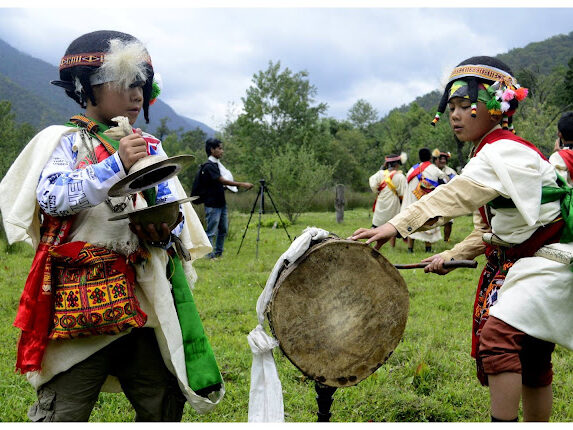
    The Sherdukpen tribe follows a unique blend of Tibetan Buddhism and indigenous animistic traditions. Their rituals are a quiet resistance to homogenized culture. You’ll see elders in traditional attire conducting seasonal ceremonies to thank the forest, rivers, and skies — reminding us that faith can be intimate, not institutional.

    A visit to Lhagyala Gompa, perched on a quiet hill, brings you face to face with centuries-old murals and the everyday practice of mindfulness.

    Experiences Worth Staying For

    • Hike the village trails into the nearby forests — rich in orchids, medicinal herbs, and birdsong.
    • Visit traditional looms where Sherdukpen women weave wool into motifs that tell origin tales.
    • Spend a morning in the fields with a local family, understanding the rhythms of seasonal farming.
    • Attend Choskar Festival, if you’re lucky — a celebration of community harvests and prayers for prosperity.

    Food that Feels Like Home

    Shergaon’s food is earthy and seasonal — thenthuk, fermented bamboo shoot curry, and buckwheat rotis are staples. Meals here are stories on a plate, often served with herbal teas brewed from foraged leaves. Everything is cooked slow, shared wide, and eaten warm — usually by a crackling fire.

    Travel Thoughtfully

    Shergaon asks little from you, but gives a lot. Respect the quiet — don’t play loud music or enter sacred sites without permission. Choose local homestays. Don’t litter, even on hikes. Most of all, listen. Shergaon doesn’t shout — it hums.

    The quietest places often carry the oldest truths.”