Category: Cherrapunjee

  • When the Hills Sing in Firelight

    When the Hills Sing in Firelight

    Cherrapunjee isn’t just about rains — it’s about rhythm. The same skies that pour generously in monsoons also clear up to reveal evenings filled with warmth, fire, and song. If you’ve only visited Cherrapunjee for the waterfalls, you’ve missed its true essence: the quiet joy of gathering.

    The Khasi people don’t celebrate with pomp — they celebrate with presence. Around hearths, beside ancient monoliths, or beneath the sacred groves, their festivals reflect deep harmony between humans, nature, and spirit.

    Nongkrem: More Than a Festival

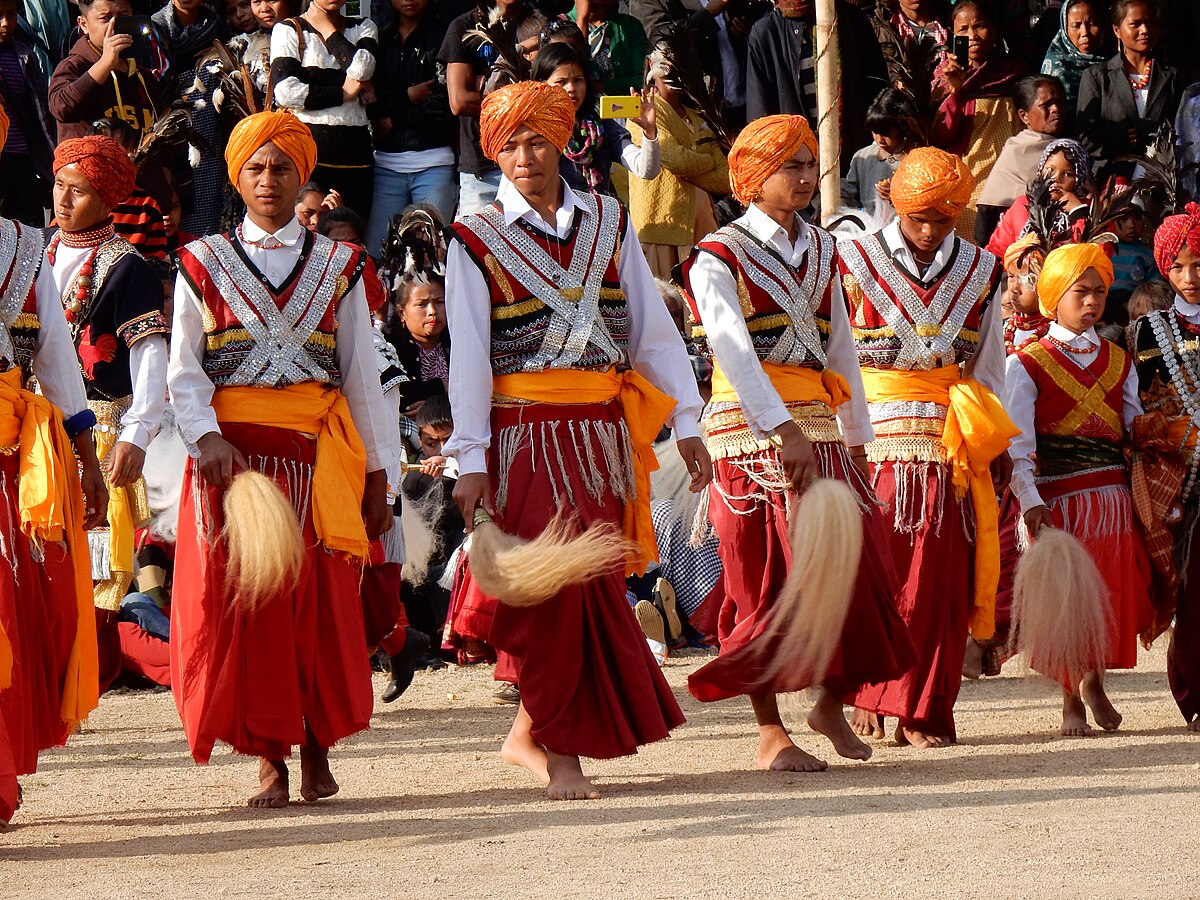
    Held annually near Cherrapunjee, the Nongkrem Dance Festival is not a performance — it is a ritual, a renewal of blessings. Held by the Syiem (chieftain) of the Hima Khyrim, this five-day festival seeks the blessings of Ka Blei Synshar, the Supreme Creator, for peace and prosperity.

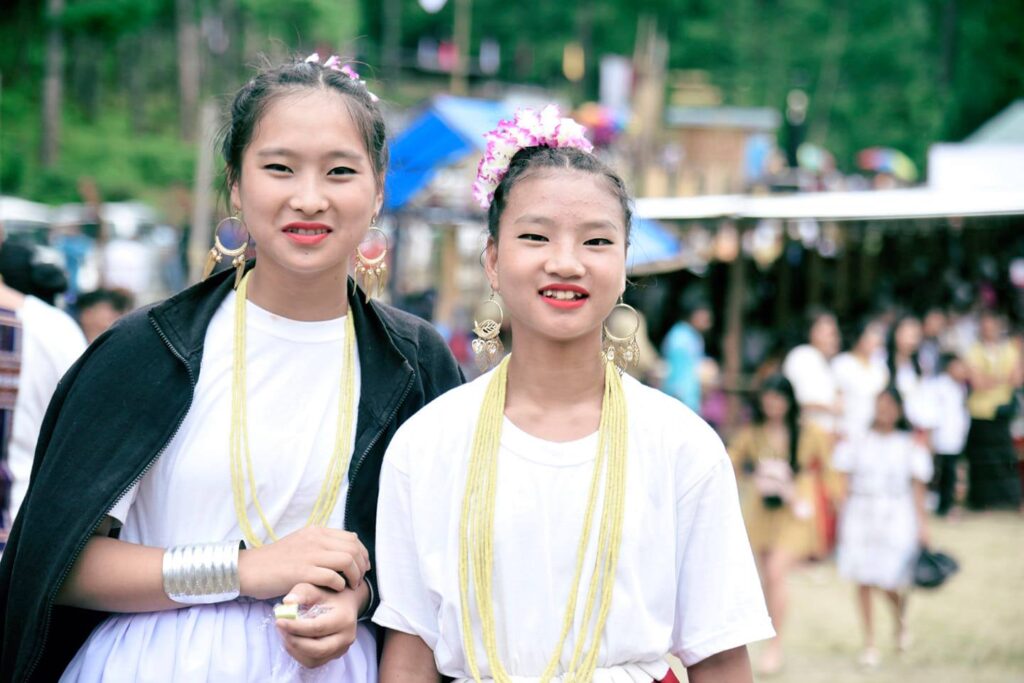
    Women in ornate Jainsem and traditional gold and coral ornaments move with controlled grace, while men wield swords in rhythmic war dances. The festival takes place in Smit, a village not far from Cherrapunjee, but its spirit echoes through the plateau.

    “We don’t dance to be seen. We dance because it’s how we speak to the Divine,” a local elder explains.

    Fire at the Heart of Khasi Life

    In many Khasi homes, the hearth is sacred. During festivals and gatherings, fire becomes a companion — a silent witness to laughter, debates, and shared meals. On chilly nights, especially post-harvest, the community often gathers under the stars to sing folk songs, tell stories of ancestors, and cook rice beer.

    No sound system. No selfies. Just warmth, wind, and stories older than memory.

    Snippets from the Plateau

    • A Night at Mawmluh:
      Youngsters perform a moonlit skit about rain spirits — a mix of humour, folklore, and fierce pride.
    • Local Music at a Living Root Bridge:
      You’ll find an impromptu jam session of bamboo flutes and Khasi drums during quieter months — not for tourists, but for themselves.
    • The Monoliths of Mawsmai:
      Often mistaken for ruins, these stone structures are commemorative — every festival pays respects here.
    Know Before You Go

    • Festivals follow lunar cycles: Dates may shift — check with locals or homestays.
    • Dress modestly when attending rituals: Respect the sanctity of the space.
    • Photography may be restricted: Always ask before clicking during rituals.
    • Best season: November to January for Nongkrem and winter gatherings.

    In Cherrapunjee, fire doesn’t burn to impress. It glows to gather. When you sit around it with strangers who soon feel like kin, you realise — some of the best festivals aren’t public. They’re personal.

    In the hills of Cherrapunjee, joy doesn’t echo — it settles beside you, like warmth from a dying ember.”

  • Where Rain Writes the Rules

    Where Rain Writes the Rules

    When the Sky is a Storyteller”

    Cherrapunjee isn’t just about heavy rainfall. It’s about how people live with the rain — not against it. It’s one of the few places where weather becomes a part of memory. Here, conversations pause mid-sentence when the rain thickens. Tea tastes better under tin roofs. Children play barefoot in puddles — because wet isn’t a nuisance, it’s a way of life.

    The Khasi call this land Sohra — a name that lives in lullabies, local legends, and laughter.

    Living Bridges, Living Patience

    One of the most iconic gifts of Cherrapunjee is its living root bridges. These are not made — they are grown. Over decades, villagers guide the roots of the Ficus elastica tree across streams until they take shape and strength.

    They’re not for show — they’re used by schoolchildren, farmers, elders. Each bridge is a lesson in time, resilience, and care — no shortcuts, no urgency.

    We never asked the trees to hurry,” says Sukher, a local guide. “The forest taught us to wait.”

    Snippets in the Mist

    • The Hills Echo Differently:
    • In some corners, you’ll hear folk songs carried across valleys. They’re not sung loud — they’re meant for those who listen.
    • The Orange Vendor by the Cliff:
    • He doesn’t just sell fruit. He explains which tree it came from, when it was picked, and how the skin makes a great face pack. Everything here comes with a story.
    • Monoliths in the Grass:
    • Scattered across meadows, they stand like old sentinels. Some say they mark ancient clan gatherings, others call them waypoints for the soul. No one knows for sure — and maybe that’s the beauty.

    Interesting Insight: Rain as Ritual

    Locals in Sohra don’t treat rain as a problem to escape. Rain festivals, traditional homes with slit ventilation, rain-harvesting pits — all speak of a lifestyle tuned to monsoon rhythms. Many Khasi folktales even begin with the weather — as if the sky is the first narrator.

    Know Before You Go: Travel Tips for Cherrapunjee

    • Getting there: Around 55 km from Shillong by road. The drive itself is scenic, especially during monsoon.
    • Best time to visit: October to May for clearer skies; June to September for dramatic monsoon beauty.
    • What to explore: Arwah Caves, Nohkalikai Falls, Double Decker Root Bridge (Tyrna), local Khasi cuisine.
    • Stay options: Homestays in Laitkynsew or eco-lodges around Tyrna offer comfort with intimacy.

    Cherrapunjee doesn’t put on a show — it simply exists with quiet power. Every sound, every step, every shade of mist has a place. Here, rain doesn’t stop life. It writes it.

    In Cherrapunjee, even silence has a rhythm — and the clouds know it by heart.”

  • Cherrapunjee: Beyond the Rainfall Records

    Cherrapunjee: Beyond the Rainfall Records

    Mention Cherrapunjee, and most people think of rain — endless, world-record-breaking rain. But for those who take time to linger, Sohra (as it’s locally called) reveals itself as much more than a weather report. This highland town in Meghalaya isn’t just wet — it’s wildly alive, deeply cultural, and surprisingly soulful.

    The Myth of Wetness, and What Lies Beneath

    Yes, it rains. Sometimes for weeks on end. But it’s in the rhythm of this rain that the Khasi way of life finds meaning. From water-harvesting bamboo systems to forest lore, the people here have not only adapted — they’ve celebrated the wetness. Their architecture, songs, and even food carry echoes of a land carved by clouds.

    And in the monsoon’s pause, the valley sings in green.”

    A Landscape Made for the Mindful

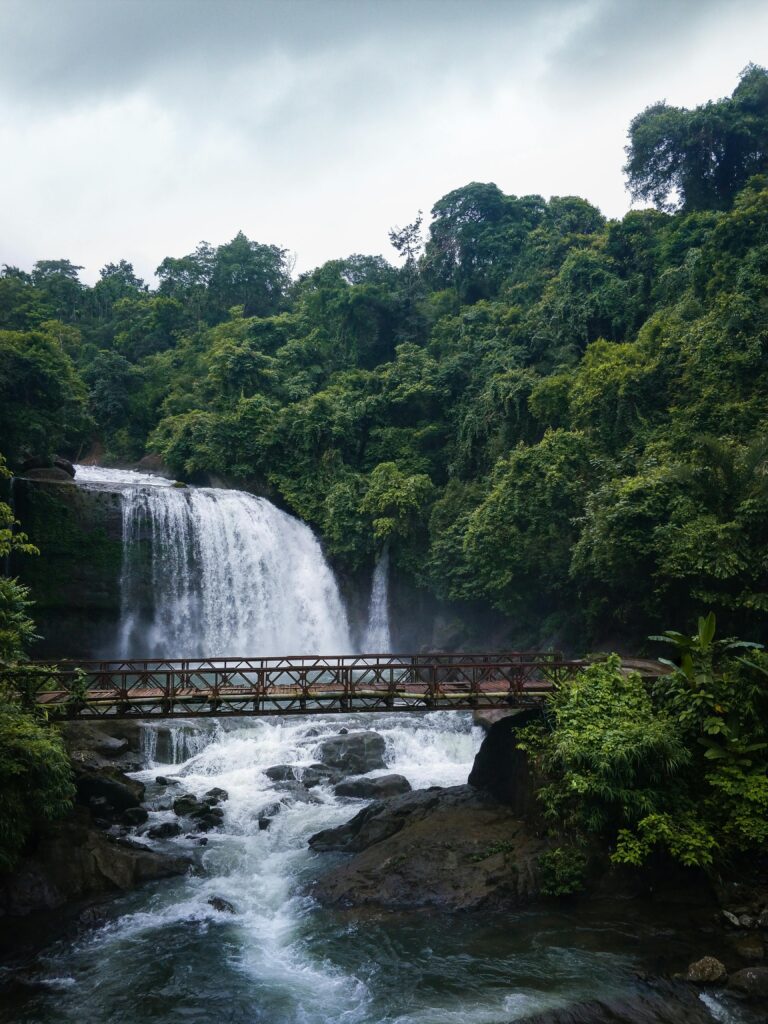
    Cherrapunjee is one of those rare places where geology and mythology intertwine. Gorges that echo with the sound of waterfalls. Caves that once sheltered spirits and rebels. And root bridges — living, growing testaments to Khasi ingenuity — are found in and around villages like Nongriat and Laitkynsew.

    This isn’t the place for speed travelers. Here, nature demands reverence.”

    Living with the Khasi People

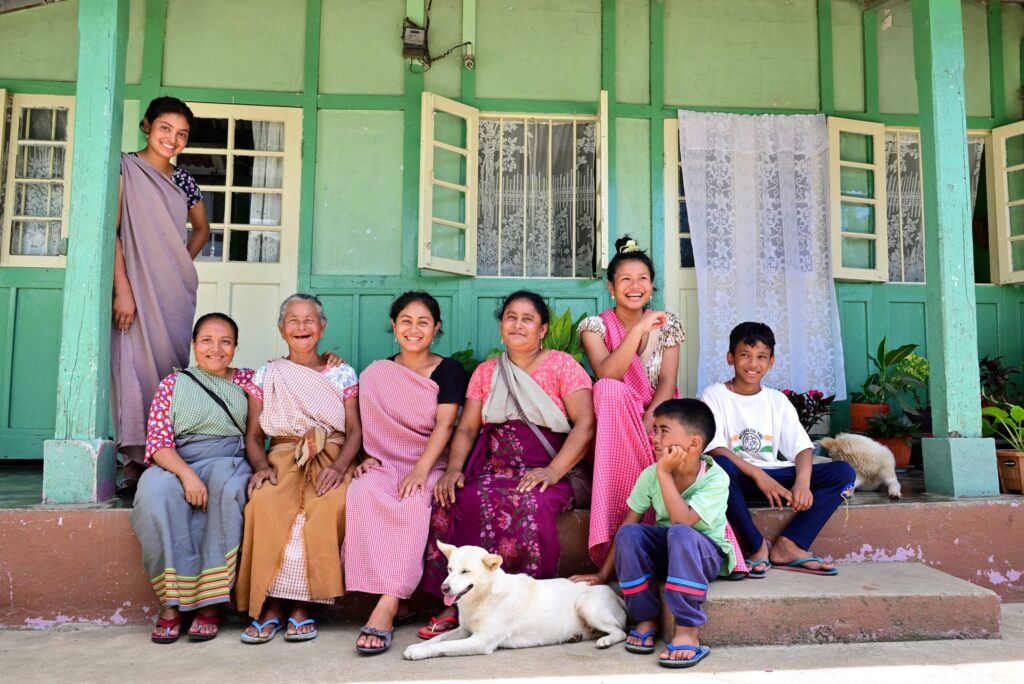
    Spend a day with a local family, and you’ll see that Khasi culture flows matrilineally, with women holding family and land. Conversations in softly spoken Khasi or English unfold over plates of ja doh (rice and pork) or vegetarian delights like jadoh tungtap. The sense of identity here is strong — rooted in earth, clan, and sky.

    Experiences That Matter

    • Trek to the Double-Decker Root Bridge in Nongriat — more than a hike, it’s a lesson in resilience.
    • Visit Mawsmai Cave, not just for the formations, but for the whispered histories inside.
    • Spend a night in a Khasi homestay, and listen to rain hit the tin roof like a lullaby.
    • Chase waterfalls like Nohkalikai, but leave room for the unnamed ones you’ll discover.

    When You Visit

    Walk light. Pack layers. Ask questions. And always remember — you’re a guest in someone’s rain-loved, memory-soaked home.

    Not all that falls is heavy — some rains are made of stories waiting to be heard.”